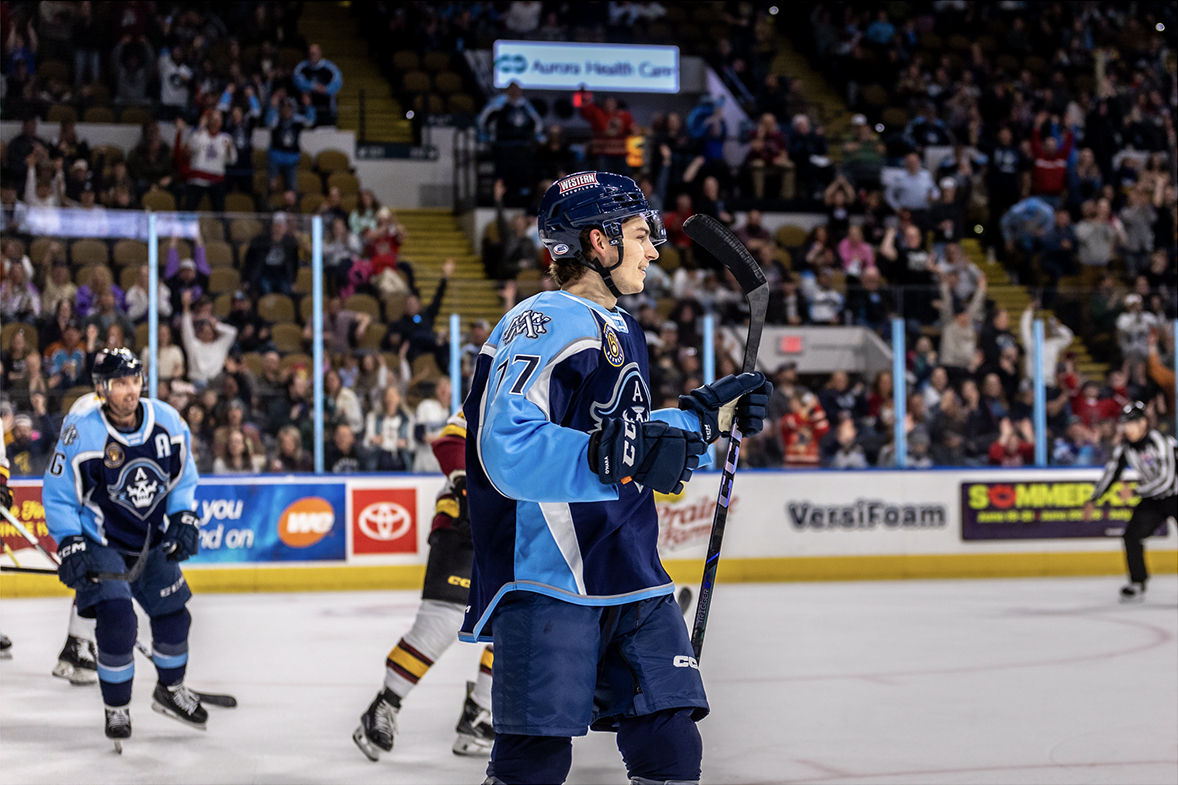



ProStockHockey.com proudly presents Journeymen, our ongoing blog series — a raw, unfiltered look into the lives of elite players at various stages of their individual hockey journey, told entirely in their own words. This series isn’t about stats or headlines — it’s about the miles, the grind, and the road that shaped them. Each story dives deep into the successes and failures, the setbacks and celebrations, and those moments when walking away might have been easier — but they didn’t. Through honesty and reflection, these players share what kept them moving forward and what they want young, aspiring players to know from their own experiences as they chase their own hockey dreams.
My name is Cole O’Hara, and I am from Toronto, Ontario. I recently signed an entry level contract with the Nashville Predators, and I’m entering my first year of pro hockey. This post is to share my story and how I got here. I took a unique and longer path compared to most players, which is why I feel this read will be impactful for many players and families. I will share different lessons I learned through personal experiences that I believe will be very relatable to younger players also chasing their hockey dreams. Everyone’s path is different, so I hope you enjoy my perspective of how I got to where I am today.
How It All Started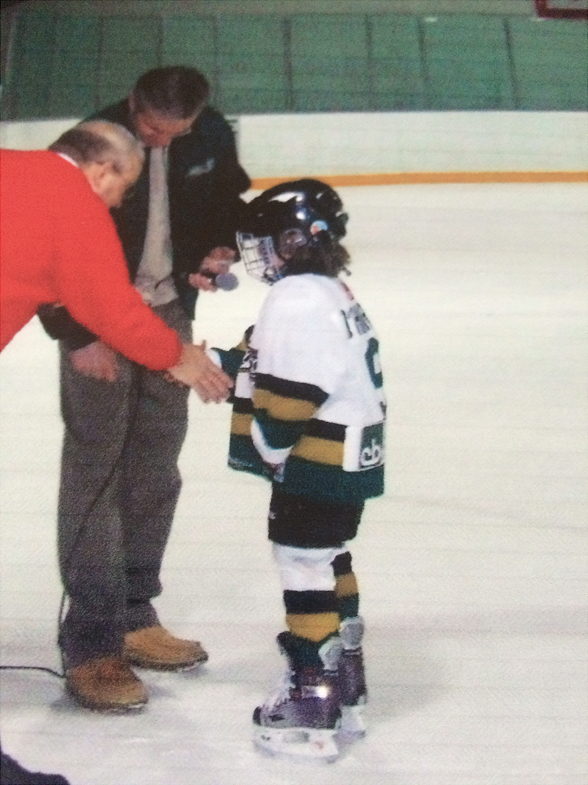

My dad and brother both played hockey, so it was inevitable that I would start playing from a young age as well. They both sacrificed everything for me, and I would not be where I am today without them. I started skating at age three, and my first memories of playing games was “Timbits,” which were house league games hosted every weekend. Shortly after, I started playing competitive hockey for my local town called the Richmond Hill Stars. My dad also happened to coach me for a few years there, which was a great experience when I was young. My favorite memories as a kid were going to my brother’s games, and I think that is when I first fell in love with the sport.
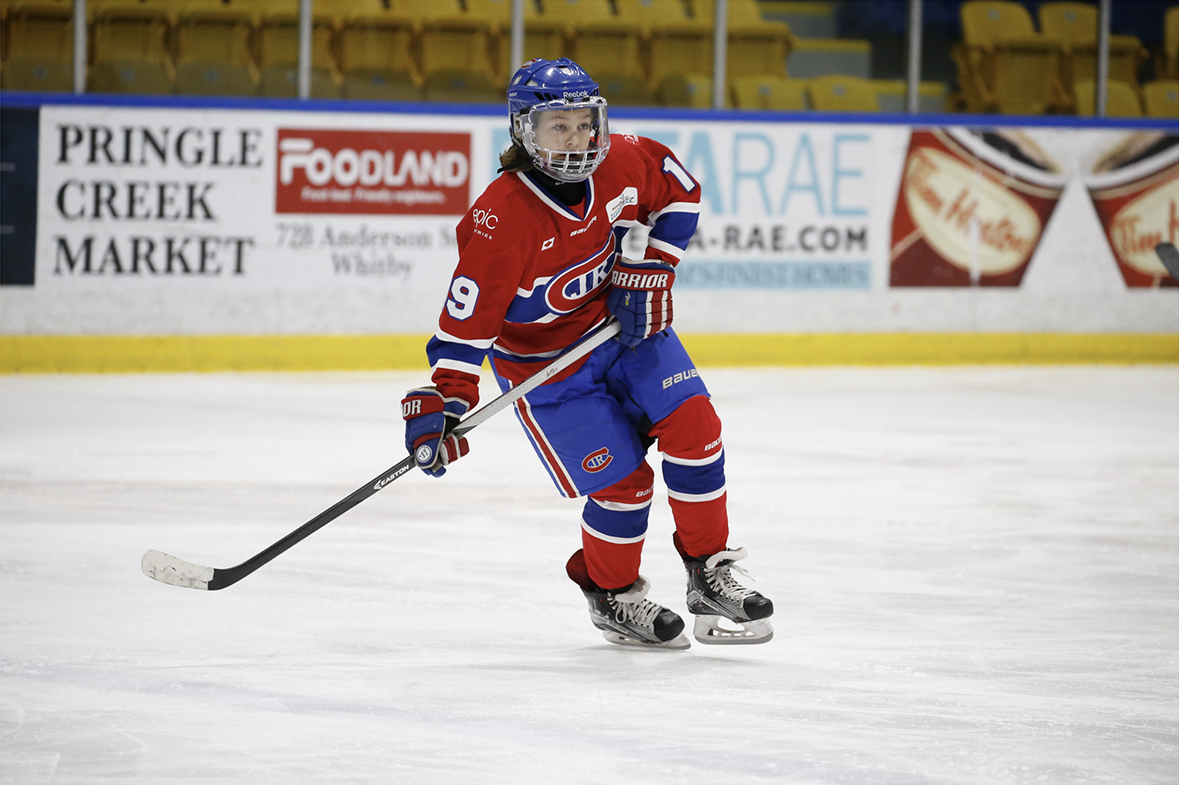

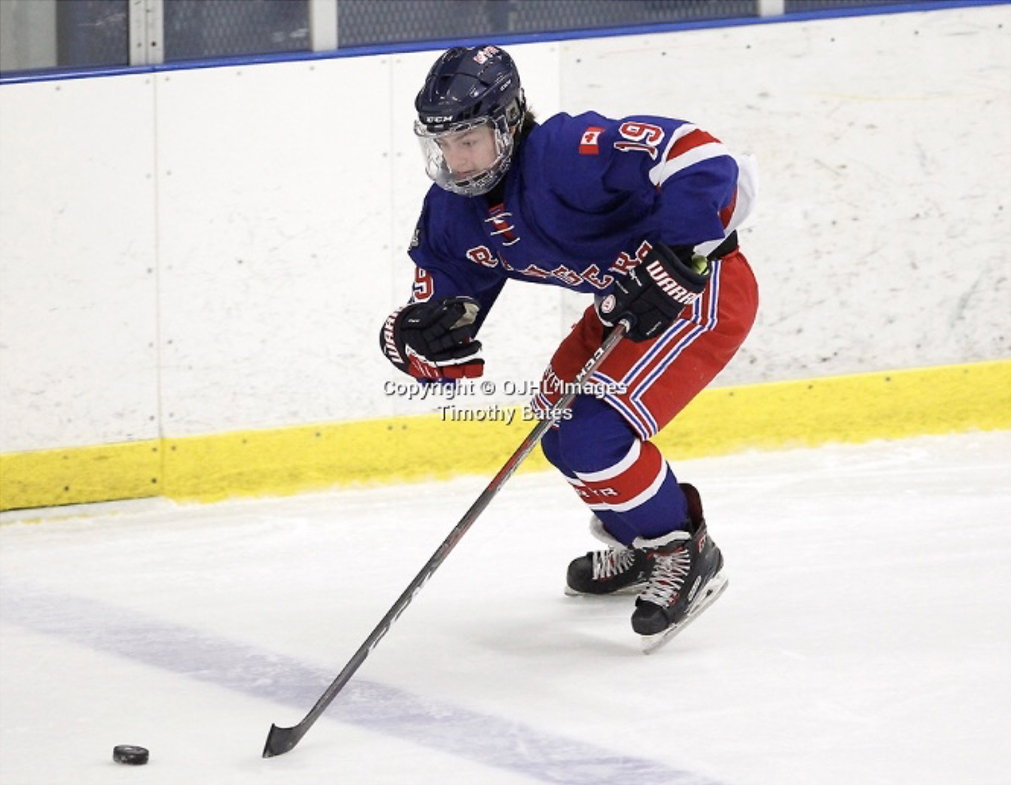
After my last year of AAA hockey, I was drafted late in the OHL draft, and I joined the North York Rangers in the OJHL. I was definitely a smaller kid and later bloomer growing up, so going to Jr. A allowed me to look at the school route (this was back when going to the OHL would lose your eligibility for NCAA). Once I started to gain attention and go on visits with D1 schools in my first year of Jr. A, I knew it was a no brainer for me to go the school route. Playing in the NCAA gave me more time to develop my game, especially since as I said before, I was a smaller kid and needed more time to grow and get stronger.

I had a rough start there as it definitely took time for me to adjust to the pace from the OJHL to USHL. I went from playing against very little D1 commitments to teams that rarely didn’t have a guy committed to a D1 program. I was scratched a game early in the season, and that was something I previously never had to go through. Part of me wanted to leave and go back to Canada, but where would that get me? Instead, I did everything I could to earn myself a role in the lineup every night and did whatever I could extra to help with that. After that game scratched, I didn’t come out of the lineup again.
For some advice, don’t quit when it gets uncomfortable. Don’t lose your fire because of one setback. Use that frustration, use that doubt, and let it fuel you. I would text the coaches to go out early before practice and ask to do extra video. Some people shy away from setbacks, but that is the time when you should double down on little habits at and away from the rink. What I did not know at the time, was that getting scratched was actually a good thing in one way or another. It prepared me for different obstacles that would come in my career in the future.
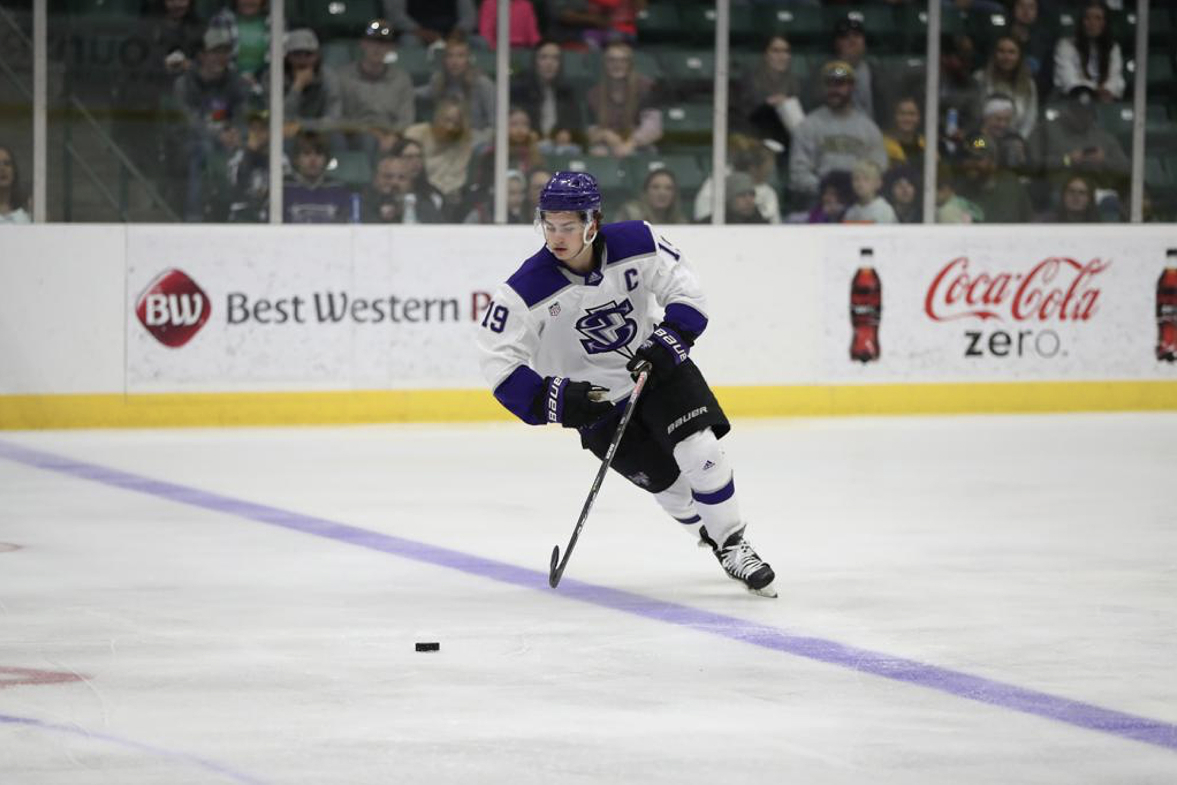

This is just a quick preview of my path, and it has definitely been a long road for me, but I would not change a thing. If I could give one piece of advice looking back, it would be to stick with the process. It really is a marathon, not a sprint. I will expand on deeper lessons I learned throughout my journey, and hope to help the younger generation with some guidance.
Leading up to the NHL Draft
As a third-year eligible for the NHL Draft, this journey was a mix of patience, persistence, and growth. Leading up to the draft this time around, the emotions felt a little different and I was more confident I would be picked. The first couple of years not being drafted taught me a lot about sticking to the process and maybe how to handle a little bit of disappointment. Feeling sorry for yourself would do nothing and trying to prove people wrong is what motivated me. I stayed committed to improvement and learned how to trust the process even when things don’t go exactly as planned. What made the experience of being drafted truly special was sharing it with my family and close friends. They’ve been there through every step with me including the early mornings, the long drives, as well as the ups and downs. The support I have gained from my family to get me to where I am today has taught me not only is playing in the NHL my dream, but that it is our dream as a family as well.
My Experience at My First NHL Training Camp
Getting the chance to attend my first training camp with the Nashville Predators this fall was very special. Walking into that locker room and seeing guys I’ve watched on TV for years and players who’ve built long, successful NHL careers was surreal. At first, I felt the nerves, but once I stepped on the ice, I just tried to take it all in and be in the moment.
The biggest thing I learned at camp was how much the details matter as well as the little habits. Veterans don’t just rely on talent; they’ve become elite at the little things on and off the ice. This includes using extra time on the ice to work on translatable skills for games. One specific skill that is worked on constantly is wall play. Their routines off the ice were something I noticed that everyone is very focused on. Watching how they prepared for practice, how they carried themselves in the gym, and how they treated the staff, showed me the level of professionalism that I admired.
Another lesson was the importance of humility. Some of these guys like Ryan O’Reilly are full time NHLers but would go out of their way to talk and help a young guy like me. One of the coolest experiences from camp was being on a line with O’Reilly and Stamkos for my first pre-season game. The veterans were great about offering advice and talking through different on ice situations. This is something that will carry you a long way in hockey and especially life. Being humble and selfless to individuals around you is what makes you a great teammate. At UMass, character and being a great teammate was the foundation, above skill and talent. UMass helped me grow so much as a hockey player but as a person as well, which is something I will carry with me the rest of my life.
Major Takeaway From My Time at UMass
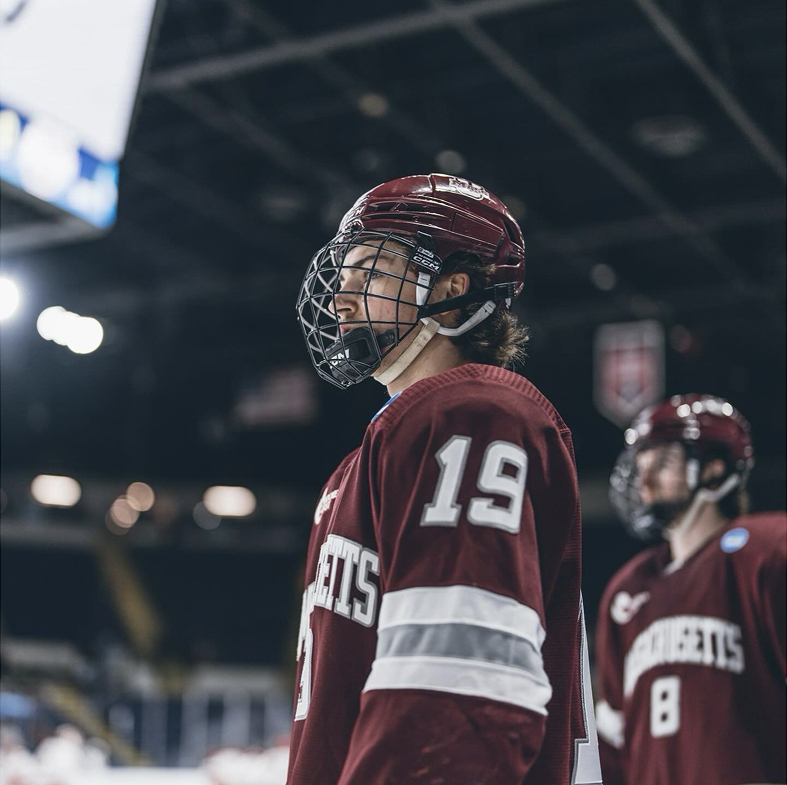
Similar to my time in Tri-City, it took time for me to adjust to the college level. After a pretty decent freshman year, I was expecting myself to make a big jump the next year. This did not happen, and it was a pretty tough experience for me. Every part of my game (creating offense, producing, playing fast, playing with confidence) did not take much of a jump. This was when I took time to reflect after my sophomore year, asking myself what do I want out of my junior year at UMass? It was always my goal to sign after three years at school, but this was always just a thought. I had to become obsessed with this goal, and that is what I did. Every decision throughout my day was circulated around this goal. So when there was a disciplinary action that I did not feel like doing sometimes (eating well, stretching, extra work after practice, etc.), it was what motivated me. Some advice I have learned would be to not just ride the wave throughout different teams in your career; instead, set goals and become obsessed with what you want to get out of that hockey season.

Team Culture
I’ve been on teams where the culture was incredible, where guys truly wanted to see each other succeed, and everyone held each other accountable while also supporting one another. The energy in those locker rooms is contagious. You walk in every day excited to compete. That kind of culture brings out your best, not because the coach demands it, but because that’s the standard you all keep pushing toward. At UMass, the coaches would challenge us to grab the standard and keep pushing it forward. These were the coaches that got the best out of me. They made me earn every opportunity I got at UMass, and I would not have it any other way. Nothing is given to you and that is why I feel I grew more as a person at UMass than I did as a hockey player. These values and lessons I took away from my time there are something that I will hold close to me as I navigate through life. My first two years, I did not play as much as I would have like. That challenged me though, and the coaches continuously challenged me to push the standard for myself and earn more. “You get what you deserve” was slogan at UMass, and it forced you to always want more. If I could share one thing, nothing in hockey is given to you. You have to go out and earn it.