







By April Foster, updated October 3, 2025
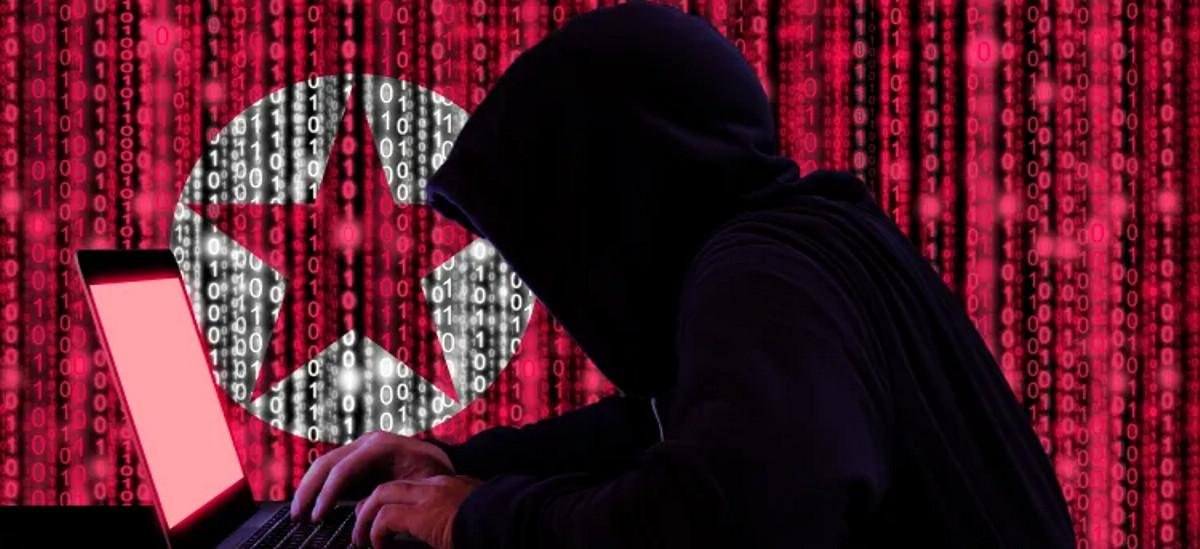
The cryptocurrency industry has always been a high-value target for cybercriminals. But in 2025, security experts are raising red flags about North Korean hackers in crypto and their increasingly sophisticated schemes. Once known primarily for direct exchange hacks, they are now masquerading as job applicants in order to infiltrate blockchain companies from within. This trend is reshaping how startups, investors, and even individual crypto users think about security risks in digital finance.
From Exchange Hacks to Insider Threats
In the past decade, major attacks on exchanges like Mt. Gox, Coincheck, and KuCoin have shown the devastating consequences of stolen private keys and weak security controls. However, governments and security firms have strengthened monitoring, forcing attackers to adapt.
Recent reports suggest that Lazarus Group, the North Korean state-backed hacking collective, has shifted tactics. Instead of brute-force hacks, they now create fake resumes, LinkedIn profiles, and GitHub accounts to pose as skilled developers or blockchain engineers. The goal? Get hired at crypto startups, gain privileged access, and slowly siphon out critical data or digital assets.
How the Scheme Works
-
Fake Resumes and Identities
Cybercriminals craft professional CVs that highlight blockchain expertise, DeFi development, or security auditing. These profiles often look more convincing than real candidates’. -
Impressive Portfolios
They upload copied open-source projects to GitHub and showcase code samples to appear legitimate. -
Remote Work Advantage
With remote hiring now standard, companies rarely meet candidates in person. Hackers exploit this by conducting interviews through video calls with deepfake technology, making background checks harder. -
Gaining Access
Once hired, these “employees” receive access to internal systems, wallets, and codebases, creating a perfect opportunity to plant backdoors or exfiltrate sensitive data.
Why Companies Should Care
For crypto startups, hiring is already a challenge. The industry is booming, but competition for blockchain talent is fierce. Startups often rush recruitment to stay ahead, which creates blind spots.
If a malicious actor is onboarded, the risks include:
-
Loss of Funds: Direct theft of crypto assets from hot wallets.
-
Intellectual Property Theft: Source code, smart contracts, and research can be leaked or sold.
-
Reputation Damage: Investors quickly lose trust in companies that fail to protect their systems.
-
Regulatory Risks: Governments may investigate and penalize firms that enable sanctioned actors like Lazarus Group.
Impact on Users and Investors
It’s not only companies that should be worried. If North Korean hackers successfully infiltrate projects, end users and investors face risks too:
-
Compromised Wallets: A backdoored app or protocol could drain user funds.
-
Fake Token Launches: Hackers with inside access might manipulate tokenomics or smart contracts.
-
Trust Crisis: Every new hack contributes to overall market instability, causing price drops and skepticism toward blockchain adoption.
How to Protect Against Fake Job Applicants
For Companies:
-
Stronger Vetting Processes
Go beyond resumes. Verify candidate histories through independent checks and request verifiable references. -
Technical Screening
Use coding challenges and live assessments to ensure candidates actually have the skills they claim. -
Access Controls
Limit new employees’ access to sensitive systems until they prove trustworthy. -
Security Culture
Train HR teams to spot suspicious behavior and collaborate closely with cybersecurity staff.
For Users:
-
Do Your Own Research (DYOR)
Always investigate the credibility of projects before investing. -
Avoid Blind Trust
Just because a project looks professional doesn’t mean it’s safe. -
Stay Updated
Follow crypto security news to stay aware of the latest threats.
Why This Matters in 2025
The rise of cross-chain solutions, DeFi protocols, and tokenized assets has created more entry points for attackers. As the industry grows, so do the incentives for hostile actors. North Korean hackers in crypto are not just after quick profits — they are believed to fund state programs, making this a matter of global cybersecurity and geopolitics.
Companies that ignore this trend risk becoming the next headline. Meanwhile, users must remember that security in blockchain is shared — one weak link can affect the whole ecosystem.
Final Thoughts
The crypto space thrives on innovation, but innovation must be balanced with vigilance. The new schemes of North Korean hackers in crypto highlight a dangerous shift: cybercriminals are no longer just outsiders breaking in — they are posing as insiders.
For startups, this means smarter hiring practices and tighter security controls. For users, it means staying cautious about where they invest and which platforms they trust.
The industry has weathered many storms, but this wave of insider threats may prove to be one of the toughest challenges yet. Addressing it head-on will determine not only the security of companies, but also the future of trust in crypto itself.


