








There is something distinctly meta about the films of the Trans New Wave, but not in the way we usually mean when referring to a film as metacinematic. Where most examples of metacinema let us in on the fact that we are watching a film, the Trans New Wave goes beyond this self-awareness and often makes us aware of the complex history of trans representation in cinema. This need to break our sense of disbelief in this way comes from the particular position that contemporary trans practitioners find themselves in: one of hyper-visibility and the self-surveillance that comes with it, attempts to correct media narratives, and the very online world of trans media discourse which has seemingly become part of contemporary trans life. The films of the Trans New Wave understand this reality as a part of their form.
Examples of metacinema can be as subtle a gesture as with Arno Frisch’s wink in Haneke’s Funny Games; sometimes, it becomes the entire premise, as in Peter Weir’s The Truman Show. But with recent meta entries to the canon, Vera Drew’s 2022 The People’s Joker, Alice Maio Mackay’s 2023 T Blockers, and Jane Schoenbrun’s latest feature, Teenage Sex and Death at Camp Miasma, the Trans New Wave is turning the camera back on the machinery of representation itself as a consequence of living and creating in a culture of being watched, watching yourself being watched, interpreted and misinterpreted; a culture where an image can quickly become an argument about what transness is supposed to be.
Get more Little White Lies
As the increased visibility of trans people in the west has coincided with increased hostility, representation feels less like a neutral act than a constant renegotiation of how we are seen. For trans women in particular, this produces a certain amount of self-surveillance. What feels comfortable when presenting in public also becomes embroiled with what will make others comfortable with our transness. Through these constant acts of self-checking, you begin to view yourself from the outside, not as an individual but as the concept of a trans woman in public space. It is often from this position that the Trans New Wave’s particular form of metacinema emerges.
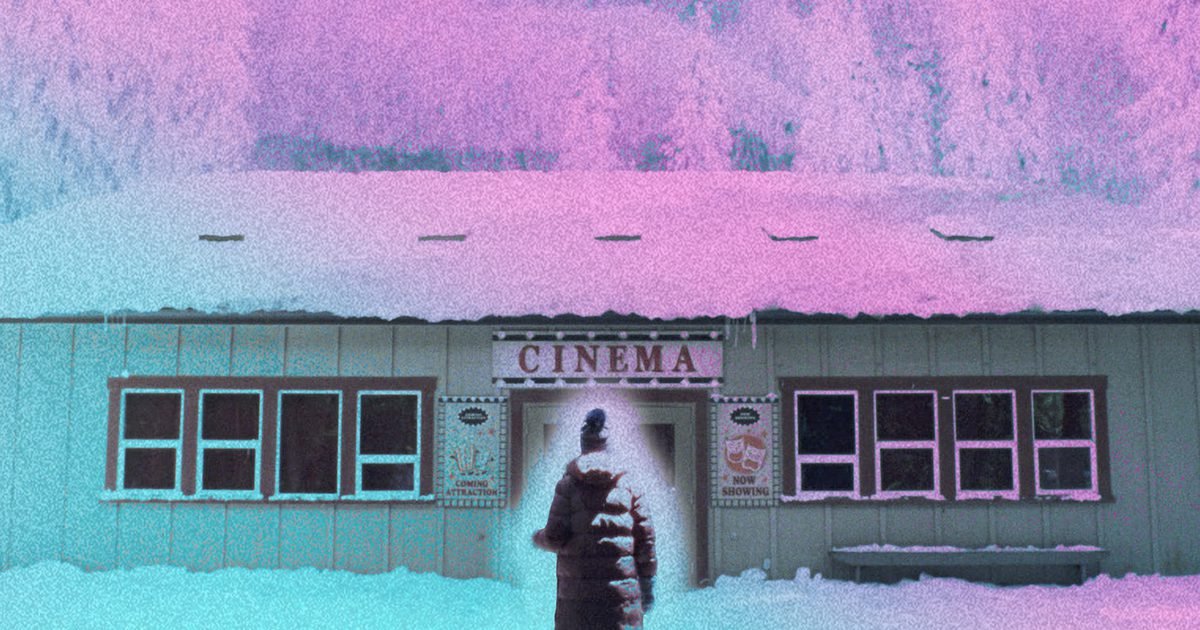
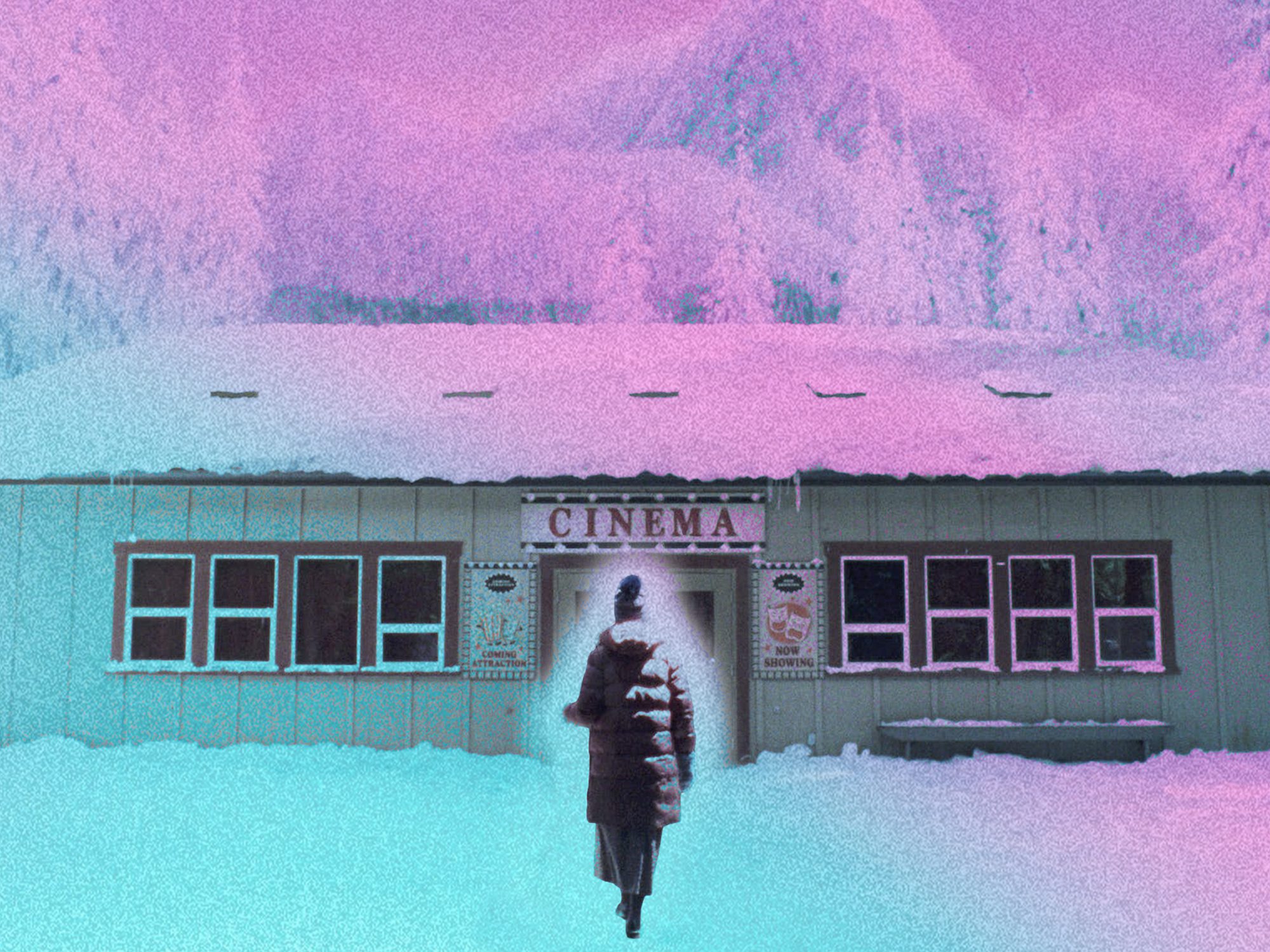
In Teenage Sex and Death at Camp Miasma, director Kris (Hannah Einbinder) has been tasked with revitalising the problematic Camp Miasma franchise, as they spend the weekend at an abandoned summer camp. This summer camp was the original location of the film series, and is inhabited by the first ‘final girl’ of those films: Gillian Anderson’s Billy Preston. The film’s metacinema is hardly incidental: its plot revolves around the making of a queer film, while its own construction is constantly in view.
Since the film industry has learnt that its past representations of marginalised people has been harmful, there has been a panicked response from those in development to amend this. Branded as a queer filmmaker, Kris is tasked with correcting a hundred years of misrepresentation and its real world consequences. This is the bind that contemporary trans cinema cannot escape: representation is the very condition under which it is produced. In this sense, Kris’ experience mirrors Schoenbrun’s. The filmmaker on screen is caught in the same loop of anticipation that shapes the film itself: making a queer film while imagining how a queer audience will watch and react to it. The result is a self-conscious mode of filmmaking that recalls the experience of trans people, who are made to watch themselves being watched from the outside as representations before they can simply be lived. Likewise, the queer filmmaker is made to watch themself make a queer film.
This process is made clear in a scene where Kris frantically explains their idea of revitalising the Camp Miasma franchise to a video call of industry execs. For a queer viewer, the central irony is that Kris could have been swapped for Schoenbrun themselves. The scene derives its humour from the filmmaker knowing exactly how queer audiences engage with the media that represents them.


