



More than any other post, this one is for me.
Writing has always been how I solve problems—taking something complex and distilling it into its simplest form. “Writing is thinking. You cannot write clearly if you aren’t thinking clearly.”
For me, AI is a complex topic I need to write about to understand.
Everyone’s racing to implement it. But most private real estate firms, Atlas included, are lost. We know AI is a massive paradigm shift that will change the way we work, how we spend our time, and what skills are most valued. We know it will require us to rethink our structure and culture.
What we don’t know is exactly how it all shakes out. But we’re taking proactive steps to prepare.
The first thing we’ve done is consolidate and organize our data. OMs, PSAs, PPMs, OAs, side letters, loan docs, property-level reporting, investor reporting, market data, SOPs, etc. etc.— all the document chaos that defines private real estate. The backbone of unlocking these powerful AI tools is organized data and standardized processes.
As Alex Robinson from Juniper Square put it: “You can’t automate chaos. If ownership, definitions, access, and change management are broken, AI initiatives fall back into shadow spreadsheets and mistrust. Being AI-ready is less about the tech stack and more about whether the organization can absorb a new way of working.”
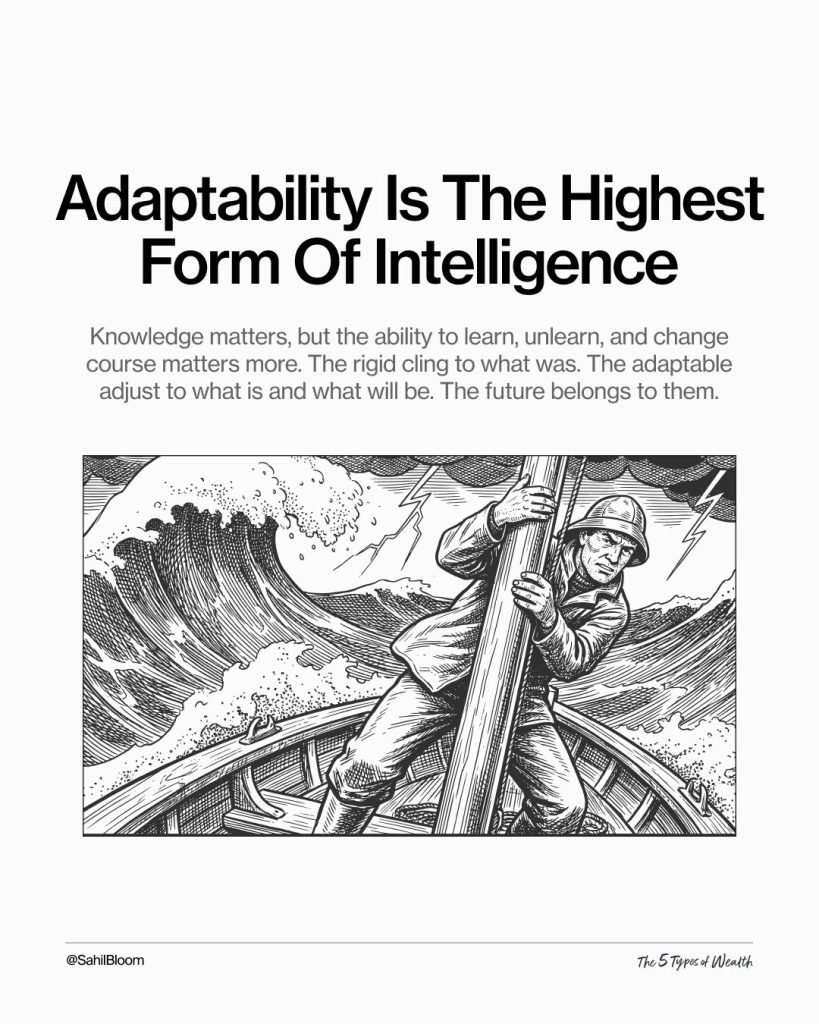
This process reinforces the value of adaptability:

With our data is organized, we’re mapping out all the work we do as a firm, understanding which tasks can and will be done by AI and which are better done by people. This includes creating process maps and SOPs for each individual task, from underwriting a new deal, to negotiating a PSA, to preparing a quarterly investor letter, to prepping an asset for a refi or sale.
It quickly becomes clear which tasks will be done by AI.
Take underwriting, for example. The initial BOE can be auto populated using AI tools and data from the T12, rent roll, comps, tax research, and market data. Tools like Shortcut are doing this today. Models that took hours can now be completed in minutes.
But these tools won’t replace our analyst. Team members should stay flexible about their roles and embrace opportunities to adapt and grow. Think about who you are in a world where AI can do the technical work. No matter where AI goes, there’s always going to be a role for humans.
AI doesn’t replace people. It makes their domain expertise and what I like to call “shoe leather experience” more valuable.
Here’s what I mean.
An AI agent can process every line in a document. It can build spreadsheets, extract data, and summarize information faster than any analyst. That’s table stakes now.
But it can’t answer the questions that actually matter and ultimately drive returns. Take acquisitions: AI can’t build a reputation where unique opportunities come your way. AI doesn’t have the deep domain expertise and experience to read the seller’s motivation, understand why you should be confident in the upside, know why you’re positioned to execute, and recognize why this opportunity fell into your lap in the first place.
AI can’t visit an equity partner and clearly tell the story behind the deal. And the story is where the value lives.
AI can pull comp data, summarize rent rolls, and track absorption trends. But it can’t tell you why residents will choose this property over the comps.
You get the point.
Expertise is earned from years of walking properties, talking to onsite teams and residents, and understanding what actually drives value.
One of the advantages of being a relatively small organization is that it’s easier to be nimble, to rework infrastructure from the ground up without layers of bureaucracy slowing things down.
On a personal level, we all have a choice. You can fear that AI will do what you get paid to do, performing the skills you spent your career honing better than you ever could. Or you can use the additional time and support to explore areas of curiosity.
An acquisitions analyst doesn’t have to be constrained to inputting data and underwriting deals. They can spend time in markets uncovering untapped areas. They can cultivate broker relationships through in-person events. They can explore the merits of alternative investment strategies. They can build a personal brand through writing on Twitter and LinkedIn.
Real estate has always been document-heavy but data-poor. AI is changing the data part. But the judgment, the pattern recognition built from doing deals over many years, that’s becoming the differentiator.
The tools are getting smarter. The question is how do we get smarter about using them.