






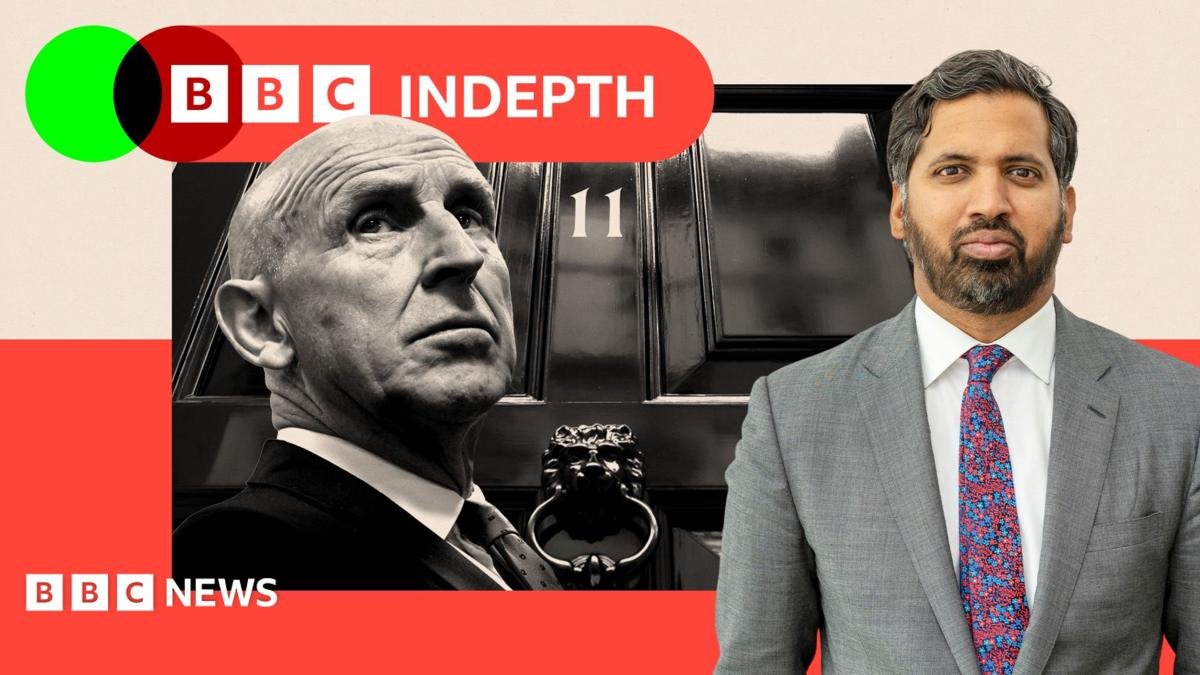
Back in Healey’s time under Gordon Brown, there was no OBR. Back then it was not unknown for late budget maths problems to be settled with an optimistic tweak of a forecast, a date change to the economic cycle, or choosing a stronger rate of long term growth.
The OBR’s verdict is crucial now – to what extent it agrees with projected welfare savings or even the importance it places on stronger GDP figures matters now.
The bigger point here is that the chancellor must be shocked by the contrast between the sheer power of the Brown Treasury to do what it wanted, and the reality of what he currently faces: the constraints of the OBR, manifesto red lines, bond markets, significant debts and an energy shock.
There are reasons to postpone some of the toughest decisions beyond this Budget, such as how to fund desired increases in spending on defence and social care. The economic outlook could improve were the Iran war to settle at some point in the next few months, and after revised statistics the OBR may also have cause to rethink last year’s downgrade to long term economic growth.
There is an imaginable pathway to a forecast next year with higher growth, lower inflation and lower debt interest costs, plausibly improving the public finance projections by tens of billions.
This would be a much more agreeable basis upon which to decide the pace of those big ticket spending rises. It also may be a tempting option for anyone thinking about an election. Former Treasury officials lament: “There is always a reason for procrastination.”
Expect the Chancellor to laud the resilience and strength of the UK economy and seek to sustain it, and spread growth geographically. His key judgement, however, will be a balance between extra financial and economic support and the peril of still elevated borrowing costs.
He will try to offer breathing space. It may be needed not just for households and families, but for the Exchequer itself.
Top image credit: Reuters/Getty Images


