






Table of Contents


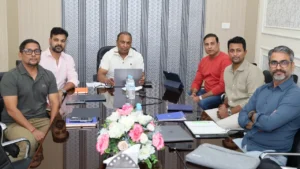
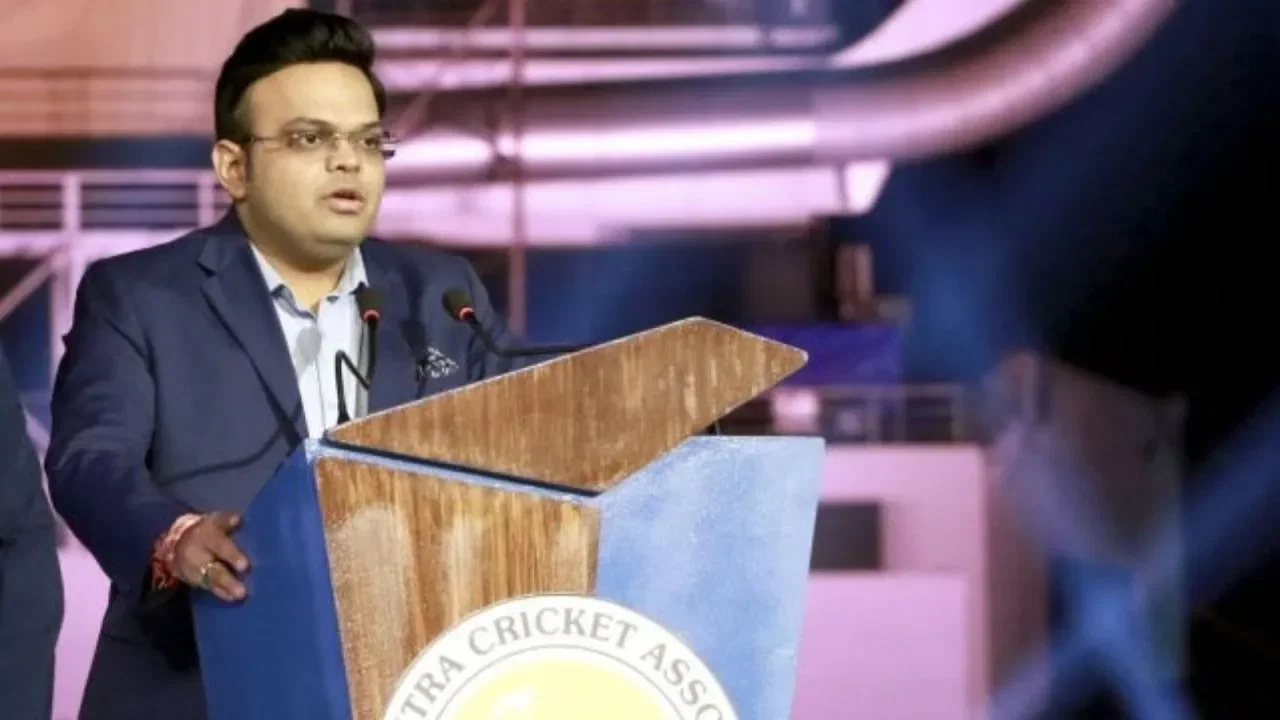
The International Cricket Council (ICC) has approved several changes to the rules and regulations of international cricket. The decisions were made during the ICC Board meeting in Ahmedabad over the weekend.
On Saturday and Sunday, the ICC held its Annual Board Meeting on the sidelines of the IPL 2026 Final, where the Royal Challengers Bengaluru defended their IPL title from last year.

This meeting was originally scheduled to be held in Doha towards the end of March this year. But the war-like conditions in the Middle East forced the governing body to postpone the meeting and relocate it to Ahmedabad.
ICC approves pink-ball trials for Test matches
The major rule change made by the ICC during its meeting was to allow the trial of pink balls even during regular-day Tests. Currently, the pink ball is only used in day-night Tests, with day Tests being played with a red ball as always.
Now, the ICC has approved a new regulation where the red ball would be swapped out for a pink one even during day Tests. The swap would only take place if bad light persists, and only if both teams agree to do so before the series.


Also Read: Shreyas Iyer faces Gautam Gambhir roadblock as Rajat Patidar emerges in India T20I captaincy race
ICC Board Approves changes to leg-side wides
During the latter half of 2025, the ICC trialled a rule regarding wides on the leg side in limited-overs international cricket.
The new rule stated that deliveries that strayed down the leg side but remained within a new tramline would not be classified as a wide. In the existing conditions, any deliveries that pass the batter outside the leg stump are classified as wide.
The ICC has now decided to make this change permanent.
ICC adopts changes to the MCC Laws of Cricket
In February of this year, the MCC made 73 changes to the Laws of Cricket to be adopted from 1 October 2026. At the latest Board meeting, the ICC adopted all of these changes.
As highlighted by the Marylebone Cricket Club, of these 73 changes, 10 were designated as the most important ones.
Some of the key changes proposed by the MCC pertain to the size of the balls, the penalty runs rule, and stumps being drawn at the end of the day in a first-class game.
The big changes included codifying the sizes of balls into Size 1, Size 2, and Size 3, respectively, for men’s, women’s, and junior cricket.
The MCC also clarified the difference between a misfield and an overthrow. It was also determined that penalty runs can be awarded for infractions committed after the end of a match but before the umpires have left the field.
The biggest change was made to the rule saying that if a wicket fell in the last over of the day of a First-Class match, then the new batter would have to walk out and complete the over.
Changes were also made to the dead ball and the hit wicket rule. And it was decided that the wicketkeeper is allowed to have his hands in front of the stumps before the ball is released, but not after.
Other changes made to regulations
The ICC also allowed the following changes to the conditions:
Umpires would now be given access to Hawk-Eye data to assess any illegal bowling actions.
The ICC and the MCC will undertake research together on trying to reduce the impact of bad light on cricket matches.
Head Coaches will now be allowed to discuss tactics with the teams during official drinks breaks. And mandating a 15-minute innings break in all T20Is.
During the CWC Challenge League, teams will be eligible to play List-A matches during each tournament cycle.


