






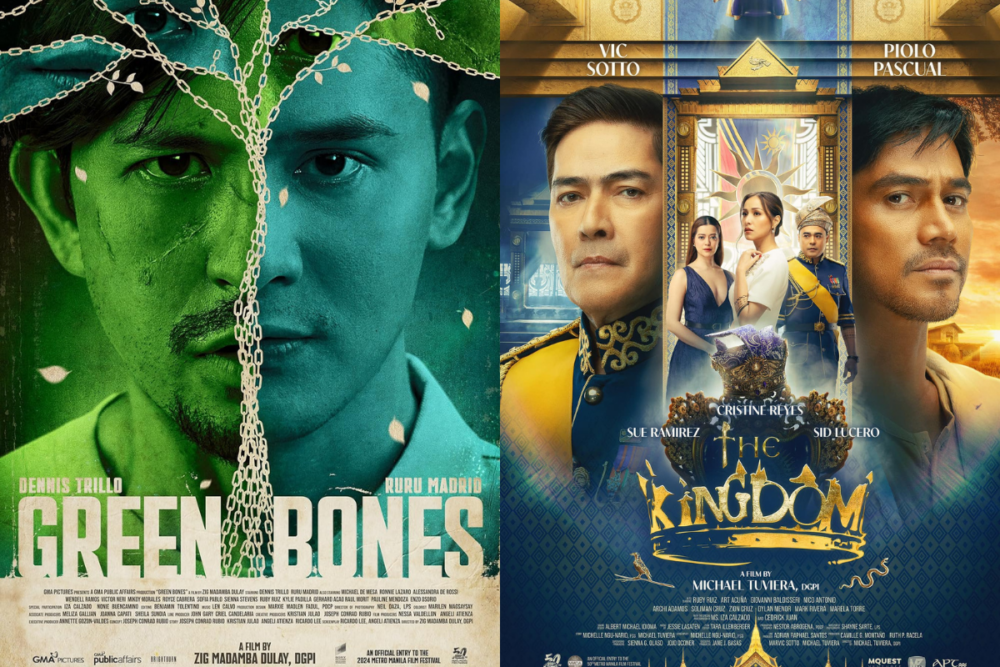
Films that tackle worldbuilding usually face the hurdles of pacing, exposition, and runtime. And as has been the case since God-knows-when, those problems are typically justified trade-offs for the ambition inherent in the whole endeavor.
In Michael Tuviera’s The Kingdom, all narrative flaws exist, and the ambition, too, is commendable. But is it enough to offset the film’s shortcomings? I’d say, for the most part, yes. After all, the film presents an alternate Philippine history, one where the country never experienced colonization and has thus retained its original pre-colonial identity. Based on that premise alone, it’s worth anyone’s viewing experience.
Not even midway through the film, however, one can be forgiven for feeling that it drags with its expository elements, which aren’t helped by some clunky execution and cheap-looking visuals. That said, Nestor Abrogena’s production values are top-tier, elevating the movie to the upper echelons of production design in 2024 Philippine cinema. The music by Jessie Lasaten also deserves praise for incorporating tribal chants and indigenous instruments with Western musical composition. Like the film’s contemporary setting, the score represents a progressive country (the Kingdom of Kalayaan) free from colonial influences.
Additionally, the dialogue is rich (especially the confrontation scene between the two leads that reveals both their powerlessness in their situations), although, at times, it tries to shoehorn references to the current political climate in the Philippines. While I don’t mind it, I can understand why some audiences might feel manipulated by such scenes.

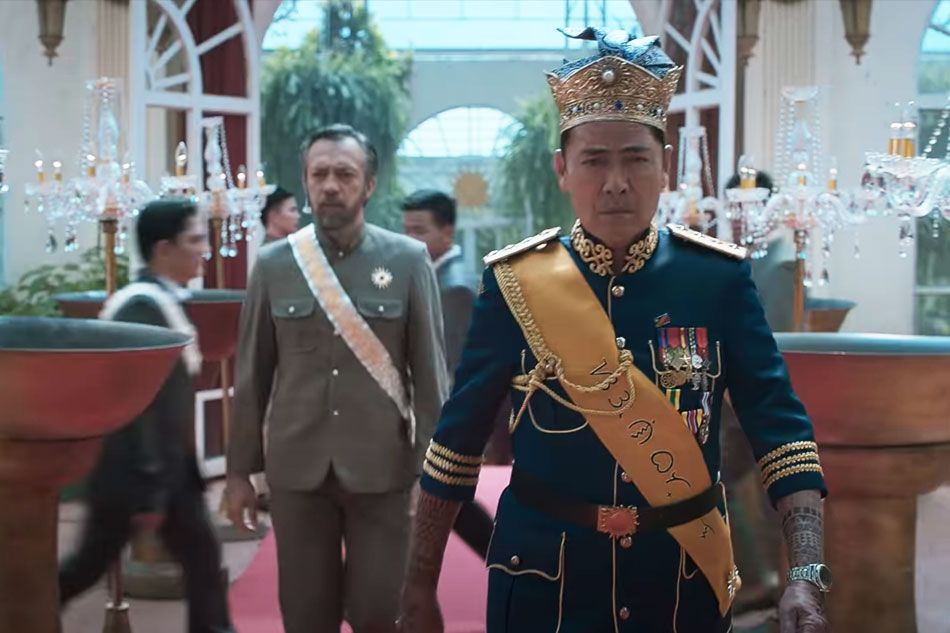
Nonetheless, the performances are generally above average. Piolo Pascual, as always, delivers here, and Vic Sotto’s role is sure to give award-giving bodies serious consideration. In particular, there was much fanfare about Sotto’s welcome foray into dramatic territory, considering how long he has spent making cash-grab comedy films. As lovers of film, we’ve long wondered how he would fare under a director like, say, Erik Matti (one that isn’t in the vein of Lastikman). The Kingdom answers that, and more.
But even at his best, Sotto seems to struggle with a variation of Tagalog that younger audiences nowadays may have trouble understanding. And while we’re at it, I found it a little off-putting hearing actors use Spanish-influenced words when Tagalog counterparts are readily available. Perhaps it’s a big deal to me because, for all the prep and hype surrounding the film’s ambition and scope, language plays an integral part in a people’s culture and identity. The lack of attention to this aspect in The Kingdom is a dampener for me.
So, yes: Based on ambition alone, The Kingdom is worth the price of admission. But as an over-expository, overlong, and over-the-top exercise, it might not be the best choice for anyone looking for a more refined cinematic experience.


