





“It felt like someone had taken some of my personality,” the “Torn” singer said

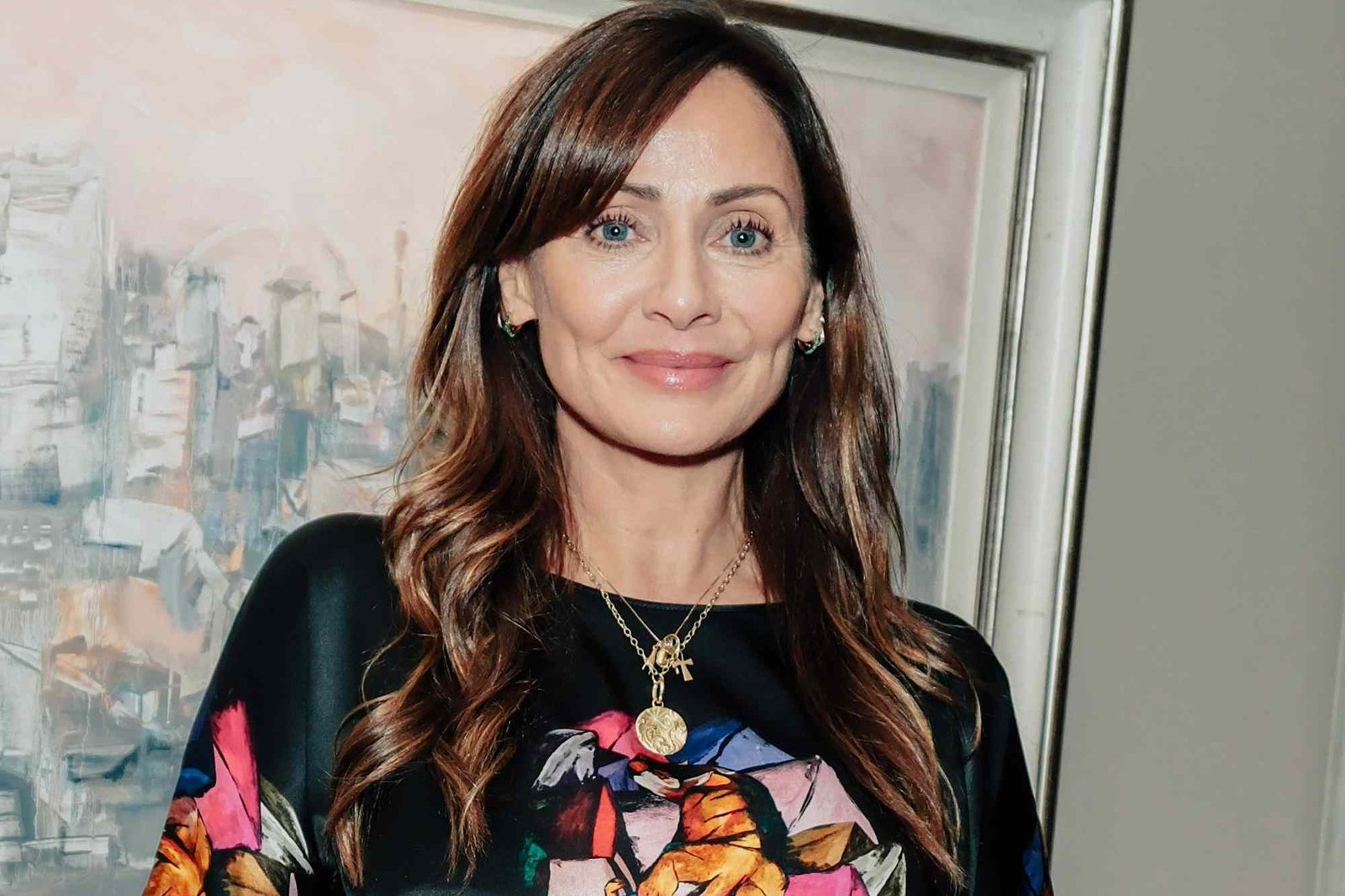
:max_bytes(150000):strip_icc():format(jpeg)/natalie-imbruglia-2-b9551b8185fb44cb88dcb62b5bcd3f6e.jpg "Natalie Imbruglia smiling in front of artwork")
Credit: Dave Benett/Getty
NEED TO KNOW
- Natalie Imbruglia revealed she was diagnosed with ADHD and OCD as an adult and calls her neurodiversity a “superpower”
- The singer said perimenopause worsened her symptoms, causing anxiety and anger, but hormone replacement therapy provided relief
- Imbruglia wrote her new song “Who Dimmed the Lights” about her perimenopause experience to help other women feel less alone
Natalie Imbruglia is getting real about how much perimenopause impacted her everyday life with neurodivergence.
In a new interview with The Times published July 11, the “Torn” singer, 51, revealed that she was diagnosed with ADHD and OCD as an adult.
Sign up for From the Editor, our free weekly newsletter from PEOPLE’s Editor-in-Chief, Charlotte Triggs.
Attention deficit hyperactivity disorder (ADHD) is one of the most common neurodevelopmental disorders and can result in difficulty paying attention and controlling impulsive behaviors, or being overly active, according to the CDC.
According to the Mayo Clinic, “Obsessive compulsive disorder (OCD) features a pattern of unwanted thoughts and fears that lead you to do repetitive behaviors (compulsions). These obsessions and compulsions interfere with daily activities and cause significant distress.”
“You name it, there’s a sprinkle of it,” she told the outlet. “They’re just labels. It’s not a negative, it’s my superpower. But there’s a particular thing about my neurodiversity that’s hard for me to accept, which is how I get when I’m nervous before a show.”


Credit: Dave Benett/Getty
In addition to the disorders, Imbruglia said that she entered perimenopause five years ago, which ultimately “made it worse.” Perimenopause refers to the time when the body begins its natural transition to menopause, which marks the end of a woman’s reproductive years.
“Let’s just say it was a grieving process,” she explained. “I was really angry. I fell off a cliff. It felt like someone had taken some of my personality. I’d talk about it and people would try to hush me. Now I’m very outspoken. Thank God for Davina McCall,” she said, referring to the British TV host’s documentary on menopause. “I bumped into her in a restaurant at the time. I was like, ‘Tell me everything!’ ”
“It’s really important that we speak up and stop going, ‘Oh, I just breezed through it.’ How is that helping anyone?” she continued. “Beware, women, if you start saying, ‘I just don’t feel like myself.’ I said that for a year before I addressed anything.”
Imbruglia said the main symptoms she experienced were anxiety and anger, but she later found relief thanks to hormone replacement therapy (HRT).
“I probably hurt a lot of people that I wish I hadn’t, but until you have the tools and the HRT cream… HRT worked, absolutely. But how wonderful that this is not a shameful topic or a taboo subject. Imagine how it was for our mothers.”
Last month, Imbruglia appeared on an episode of the How to Fail With Elizabeth Day podcast and spoke about her upcoming new song, “Who Dimmed the Lights,” which she wrote about her perimenopause experience.
The singer admitted that the lyrics about “unraveling” and “crawling in the dark” make her emotional, thinking about what she’s been through. However, she loves how “light” the song is and believes it’s important for other women to hear.
Never miss a story — sign up for PEOPLE’s free daily newsletter to stay up-to-date on the best of what PEOPLE has to offer, from celebrity news to compelling human interest stories.
“I think for a long time I’d write songs that were quite melancholic. And I think it’s so nice to figure out a way of getting important messages across, but also have the music be uplifting,” she said. “Can you imagine a perimenopausal woman turning up every day to work and just pouring [out] everything that I was going through?”
“I’m a very open person and part of how I process things is to share,” she added. “I don’t want there to be any shame around it, and there shouldn’t be. And knowledge is power. And also, just being brave because it’s not our fault that these changes are happening and it happens to every single woman.”


