






In its 53rd edition, the Telluride Film Festival continues to be an industry leader in exhibiting strong, technically excellent stories. While its documentary slate gained a copious amount of attention because of the world premiere of the secret A24 documentary, “You Can See Everything,” there are several other titles worth paying attention to. Compared to previous years, the 2026 festival’s documentary curation is quite diverse in both subject matter and style.
“Illusion of an Everlasting Summer” sounds like an idyllic, beachy CD one’s parents would play in the car with the windows down. This nod to nostalgia is exactly the lens director Alessandra Sanguinetti wants us to look through to see her new documentary. Better known for her photography, Sanguinetti expands and personalizes her practice in piecing together footage captured across 25 years.
Beginning in the late 1990s, “Illusion of an Everlasting Summer” introduces its two main subjects, Guillermina and Belinda, cousins and soulmates. The camcorder quality also contributes to the film’s desire for the past. The grainy home video texture adds more innocence to the curiosity exhibited by the young girls’ play. Their life in rural Argentina is filled with the company of one another, and although they’re conscious they’re being recorded, it does not appear to inhibit their actions.
The girls do not age significantly until past the movie’s halfway mark; thereafter, the jumps in time are increasingly quick. In a way, this choppy imbalance is symbolic of the way time moves faster and faster as we grow up, but it lands as unintentional. As the years go by, Guillermina and Belinda drift apart; the movie is the only thing keeping them in regular contact. Seeing their warm and tender bond harden and wither stings worse than a romantic breakup. Guillermina rightly and poignantly chops it up to it being a part of life. Sanguinetti’s stationary camera keeps rolling, and we see her smile soften and fade.
In reflecting further on the poetic title, “Illusion of an Everlasting Summer,” it is metaphorically and intricately woven into the documentary’s key themes. While the most compelling anecdotes are concentrated at the end, “Illusion of an Everlasting Summer” is a contemplative, casual coming-of-age documentary.


“Where pleasure is treated like a religion” was the motto that drew directors Michael Dweck and Gregory Kershaw to beautifully document one of the most illustrious wine regions in France. The duo, known for visually rich representations of niche industries (“The Truffle Hunters”), bring their aesthetic excellence to their new film, “Burgundy.” Introducing each subject as if they are a character in a narrative feature, the film maintains a cinematic energy to match the prosperous culture and history.
Enzo, monikered “The Boy,” is an aspirational 20-year-old with an old soul. The main plot of “Burgundy” is built around his professional and personal becoming, including a budding relationship with Celeste, “The Girl.” There are several other storylines, like a wine critic (Guillaume) and a sommelier (Eric), that weave together to reveal the connectivity of Burgundy’s wine-and-dine ecosystem, but none of them are spotlighted like Enzo. His dedication to caring for the land and vineyard translates into his natural presence in front of the camera. Rather than traditional sit-down interviews with its subjects, the documentary positions itself as a fly on the wall, watching each person work from afar. In keeping the frame stationary for most of its shots, we’re fixated and able to catch every detail of the subjects’ craft.
A great majority of the dialogue comes from conversations between people. This decision also contributes to the movie’s narrative, as if some moments are scripted or staged. Despite only hearing each person’s thoughts and feelings in the context of being expressed to another, there is still an intimacy wrapped around each moment. To truly achieve the dreamlike state that they sought to create, Dweck and Kershaw pepper the film with Super 8 footage. There is a childlike segment of Enzo and Celeste reenacting “Bonnie and Clyde,” which adds levity but was clearly an extra effort that then detracts from the authenticity of its key characters.
“Burgundy” ties up every thread it pulls with a pretty bow. What is most resonant is the way the characters come together to expose how age, for the people and the wine, is a complex concept for the region.

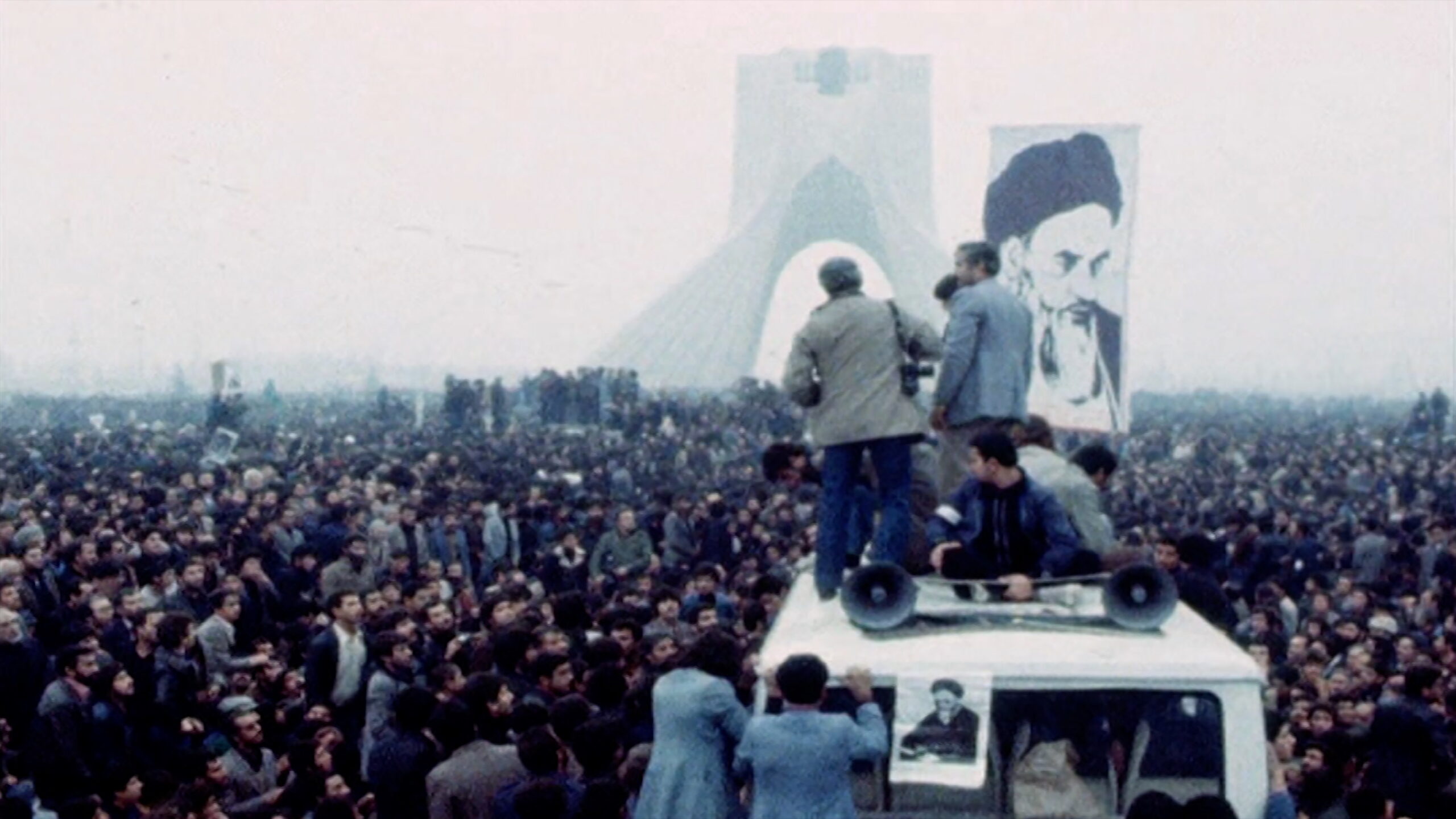
“Rehearsals for a Revolution” is a personal letter to Iran and its people from director, writer, and producer Pegah Ahangarani. She reflects on her purpose for making the film: “Is this how I make up for not being there?” In posing this, the audience ponders alongside her, but is gutted to hear the sadness in her voice, wishing things could be different.
Chronologically pieced together in 5 episodes, Ahangarani organizes each story around a key person. Beginning with her father, Ahangarani shows us the inception of her lineage’s role in Iran’s revolutionary history. In recognizing her mother, a lifelong filmmaker, we also learn of Ahangarani’s cinematic roots. She makes it evident that “Rehearsals for a Revolution” would not be possible without this combined inheritance.
Collaged together through archival photos, footage, audio, and media pieces, the film’s use of multimedia helps to highlight common threads across each episode and through Iran’s revolutionary history from the 1980s to 2020s. Ahangarani narrates every moment, and her steady, almost stoic, voice demonstrates the resilience at the heart of the story. Even when it’s hard or damning and life-threatening, it’s crucial to keep going. Speaking directly to the audience creates a connection between the filmmaker and the viewer, and it personalizes “Rehearsals for a Revolution” further. The layered sound design of papers rustling and wind blowing immerses us in the archives.
Once Ahangarani grows up and begins carrying around a camera of her own, the state-sanctioned violence is increasingly insidious. After each episode, the film provides an informational card that recaps the current cultural relevance; this also strengthens the connectivity between each portrait. The weight of “Rehearsals for a Revolution” is not borne alone; it’s an affirmation that collectivism and activism can, and must, prevail.


