




https://www.youtube.com/watch?v=playlist
Much has been written lately about the crisis in Hollywood, which has left many apparently sure-fire blockbusters floundering, theaters empty, and production jobs lost. There are many factors in play — some of them, as few diagnoses fail to point out, structural — but can we ignore the possibility of fatigue, perhaps even boredom, with film itself? We’ve posted in recent years here on Open Culture about the decay of cinema, the rise of “visual muzak” on Netflix, why movies don’t feel real anymore, and why movies don’t even feel like movies anymore. Even if they’ve limited their exposure to big-budget spectacles, most once-avid cinephiles will have felt all those phenomena for themselves by now, and many will be considering whether to look for a new art form to enjoy. But some will wonder: maybe there’s a cure?

There could well be, and a bracing one. If you seek a re-enchantment with film, there could be few better places to look than in the work of filmmakers who have broken that medium down to its very components and put it together again in unconventional ways. Some of the results shocked audiences fifty, sixty, seventy, even a hundred years ago — and indeed, some retain that power today.
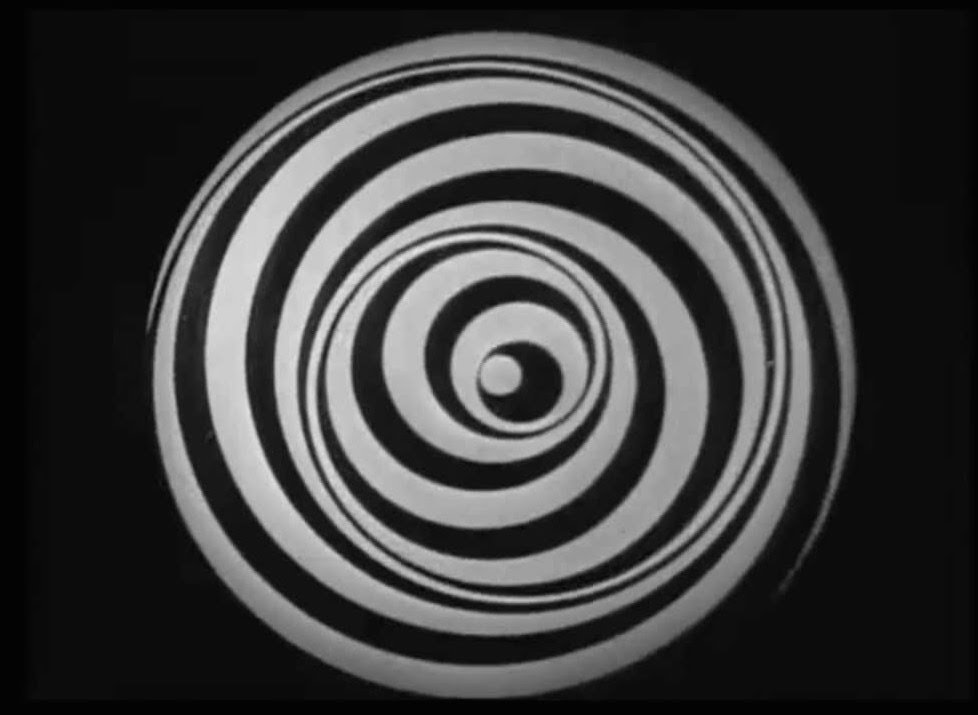
You can take a journey through the history of such experimental, avant-garde, and surreal motion pictures with the YouTube playlist at the top of the post, which comprises 434 such videos. The exact number will vary depending upon your region of the world, as well as upon how many of them have come and gone since the playlist’s creation. Whatever the total, not even a fringe-cinema habitué will have seen everything on it (at least, not more than once).

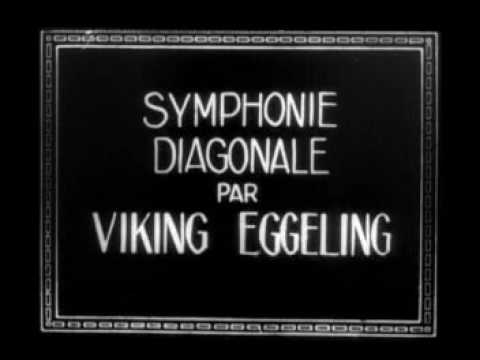
Longtime Open Culture readers may recognize on the playlist the work of Dadaist Hans Richter and Marcel Duchamp, abstraction pioneer Viking Eggeling, early feminist filmmaker Germaine Dulac, and animator (as well as city symphonist) Walter Ruttmann, not to mention Salvador Dalí and Luis Buñuel.
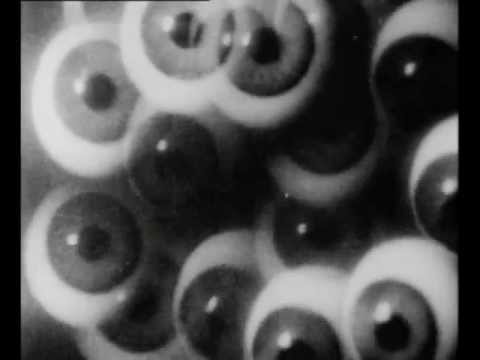
They may or may not already have encountered the cinematic legacy of, say, Shūji Terayama, the all-around avant-gardist and provocateur whose influence is still felt in Japanese art today; Stan Brakhage, who forewent even the use of a camera and created his own cinema by manipulating film directly; or Michael Snow, whose Wavelength tells a story without leaving a single room in which very little happens. But then, after enough of these experimental, avant-garde, and surreal viewing experiences, you’ll remember that there are many ways for a film to tell a story — and much, much more that film can do besides storytelling, if only we’d let it.
Related Content:
A Page of Madness: The Lost Avant Garde Masterpiece from Early Japanese Cinema (1926)
Watch the Meditative Cinepoem “H20”: A Landmark Avant-Garde Art Film from 1929
Watch Meshes of the Afternoon, the Experimental Short Voted the 16th Best Film of All Time
Based in Seoul, Colin Marshall writes and broadcasts on cities, language, and culture. He’s the author of the newsletter Books on Cities as well as the books 한국 요약 금지 (No Summarizing Korea) and Korean Newtro. Follow him on the social network formerly known as Twitter at @colinmarshall.


