


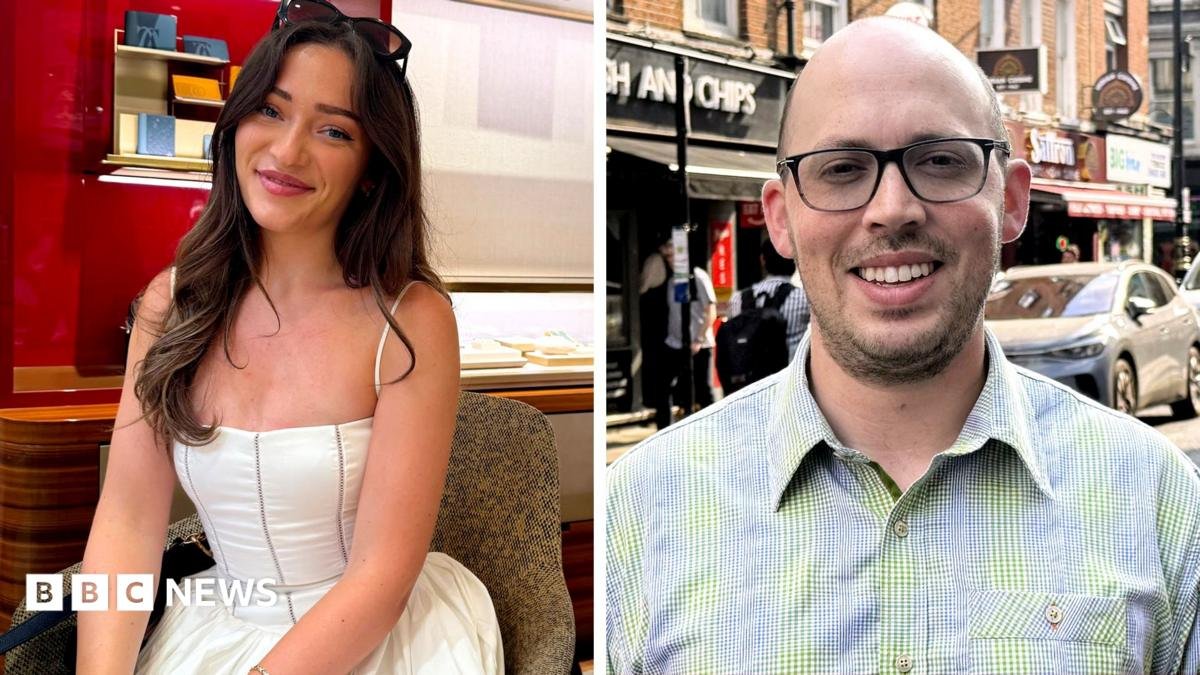
Trying to secure her “dream job” with a fashion company, Taya Reed was highly aware she had to make a good first impression in the interviews. And how she dressed was going to be a key component.
A London-based science graduate from two top universities in the UK capital, the 23-year-old had applied for a marketing job at a womenswear brand. She had done her homework, and devised a promotional campaign for the business.
But Reed also put a great deal of thought into what she would wear for the interviews, the first online and another in person.
“I find outfits can be a good conversation starter,” she says, adding she showed up to her main interview wearing an all-white ensemble with ballet flats, a long maxi skirt, and a white vest, all “girly and summery”.
“I wanted to show I fit in with the company’s culture.”
It worked, and Reed got the job last month.
With youth unemployment stubbornly high on both sides of the Atlantic, young adults need to think of every possible way they can positively stand out in interviews.
And while substance matters, research suggests a person’s appearance is also important. In a 2020 UK study, 51% of employers admitted turning down a candidate because of the way they looked, with managers indicating they had been influenced by scruffy clothes or poorly dyed hair.
Min-Hsuan Tu, a professor of human resources at the University of Buffalo, warns that job interviews can be unfair from the moment a candidate walks in.
The main author of a 2021 paper, external on the topic, she says good-looking people get hired more often because people associate attractiveness with positive traits such as trustworthiness and intelligence.
Individuals seen as attractive are likely to have received more positive attention and preferential treatment since childhood, helping them better learn non-verbal communication skills from an early age, Tu says. As a result, they can be more confident.
“Studies show that attractive people tend to have better communication skills and networks. They also have a higher sense of power,” she says.
However, physical attractiveness is not limited to one’s face or body shape but includes clothing and make-up. Making an effort to present well is important, says Tu.