







By Sally Rufus, updated August 18, 2026
You fill your cart, get to checkout, and suddenly there’s a form asking for a password, a phone number, a billing address that doesn’t match your card. Most people just close the tab. This piece is about why shorter payment paths (QR codes, wallets, instant links) are quietly becoming the difference between a sale and an empty cart.
The Friction Nobody Budgets For
The Baymard Institute has been tracking cart abandonment for years, and the number sits stubbornly around 70%. Seven in ten shoppers get close enough to pay and then don’t. Some of that is browsing, fine. But Baymard also found that about 17% walk away specifically because checkout felt slow or overcomplicated. That’s not noise. That’s a chunk of revenue lost to a form.
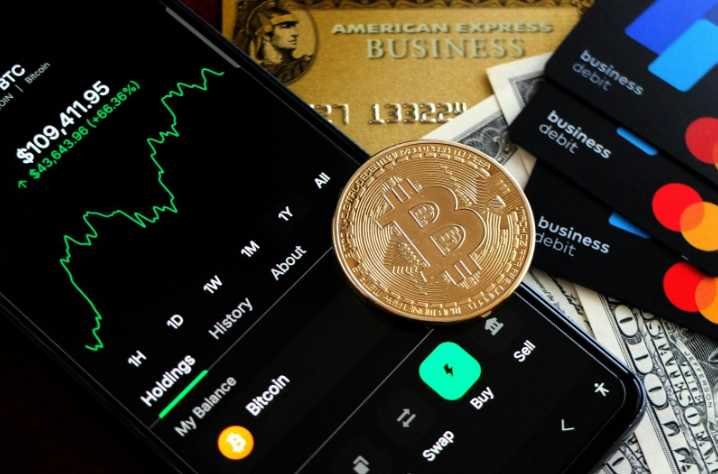
Merchants working with digital assets face a sharper version of this problem — copying a wallet address by hand is asking for a typo, and a typo with crypto isn’t a small mistake, it’s gone money. This is where tools built specifically for the job start to matter. Providers like Inqud, BitPay, and Coinbase Commerce all let a merchant create a crypto payment link instead: the buyer just clicks and confirms. No manual address entry, no guessing whether the network matched.
Try this: think back to the last time you typed a full sixteen-digit card number on your phone without a single mistake. Now think about tapping your thumb on a sensor instead. That comparison is basically the whole argument.
Why Fewer Steps Win
UX teams have said this for over a decade and the data keeps agreeing with them. Every extra field is friction, and friction behaves like gravity — quiet, constant, and it adds up. Baymard’s checkout audits regularly find that stores ask for nearly double the information they actually need. Just offering guest checkout, without forcing an account, has been shown to cut abandonment meaningfully on its own.
A QR code skips all of that. Scan, confirm, done. No password reset email showing up four minutes too late.
Where Payment Links Actually Fit
A payment link sits somewhere between a full checkout page and just texting someone your bank details. A freelancer or small merchant doesn’t need to build an entire storefront — they send a link, it already knows the amount and currency, the buyer taps through. Instant invoicing works the same way for B2B: instead of a PDF and a three-day bank transfer, the invoice gets paid the moment it’s opened. For small businesses, cash flow often depends less on how much revenue exists and more on how fast it shows up.
Wallets Reset the Bar
Apple Pay and Google Pay didn’t invent the one-tap payment, but they made it the expectation. Baymard’s 2023 research noted a clear bump in mobile conversion when a wallet option sits above the card entry field. The trick isn’t magic — the wallet already has the card, the address, the fingerprint check. The merchant isn’t building new trust, just borrowing trust the customer already gave Apple.
Crypto wallets are heading toward the same habit, though it depends heavily on the audience. Younger, Web3-native buyers often prefer connecting a wallet outright; others still reach for a card by default. Neither group is wrong, which is really just an argument for offering more than one path.
What Actually Moves Conversion
No single tool fixes a broken checkout by itself. A QR code won’t help if the page still demands account creation afterward. A payment link won’t save a store with an eleven-second mobile load time. The gains come from cutting steps, not stacking new features on top of old friction.
A few things show up again and again in the research: fewer form fields correlate with more completions, guest checkout removes a commonly cited abandonment trigger, and most checkout sessions now start and finish entirely on a phone. Payment options also need to fit the audience — Apple Pay does little for a store whose buyers are already paying from a self-custody wallet.
None of this is financial advice, and results vary by platform and audience — but the pattern across payments research holds up: shorter paths to “paid” tend to beat longer ones.
One Last Thing
Will any of this erase cart abandonment completely? No. Plenty of it comes from shipping costs or people just changing their mind. But the slice caused by an annoying checkout is the part a merchant actually controls. So before adding another plugin, it’s worth asking one plain question: does this remove a step, or does it just move the friction somewhere else? If it’s the first, test it. If it’s the second, that’s usually how a checkout page ends up with nine payment icons and still loses seven out of ten carts.


