



ProStockHockey.com proudly presents Journeymen, our ongoing blog series — a raw, unfiltered look into the lives of elite players at various stages of their individual hockey journey, told entirely in their own words. This series isn’t about stats or headlines — it’s about the miles, the grind, and the road that shaped them. Each story dives deep into the successes and failures, the setbacks and celebrations, and those moments when walking away might have been easier — but they didn’t. Through honesty and reflection, these players share what kept them moving forward and what they want young, aspiring players to know from their own experiences as they chase their own hockey dreams.
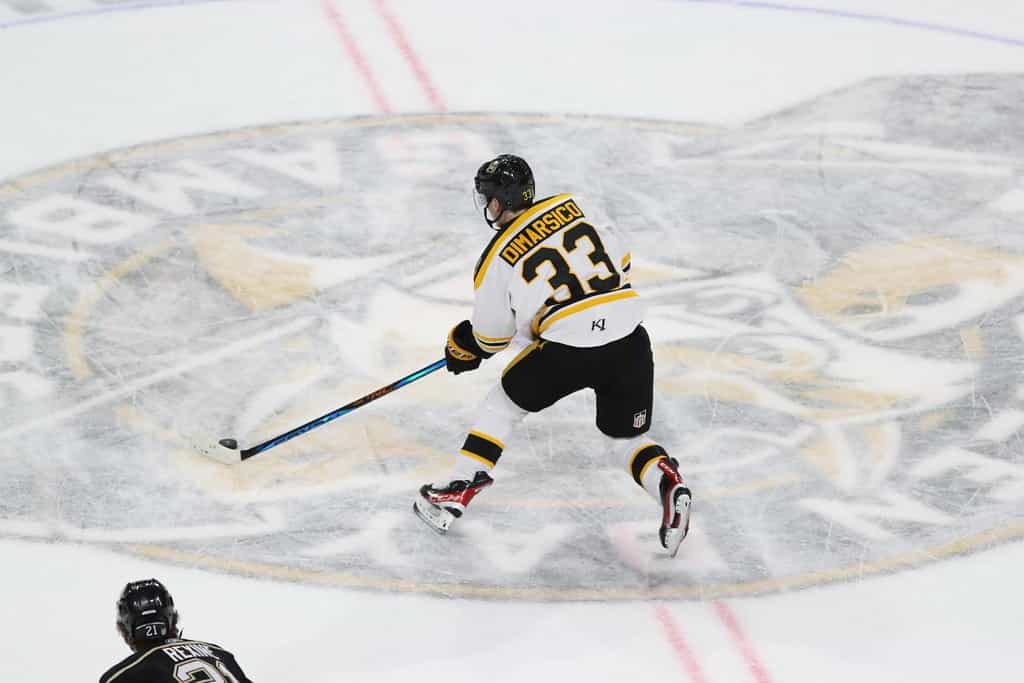
My name is Matthew DiMarsico, and I am from Pittsburgh, Pennsylvania. I am a junior at Penn State University, where I play Division 1 hockey and major in finance.

The Journey
I started my hockey journey at two years old when my parents introduced me to skating. I continued with the learn-to-skate program until I started playing organized hockey with local teams in Pittsburgh.
My brother, who is two years older than me, started playing hockey, and I attended all his practices and games. When I first started playing on these teams, I found myself not making the top teams but being on the lower teams. I remember this motivating me, and truly, it was when I fell in love with the game.
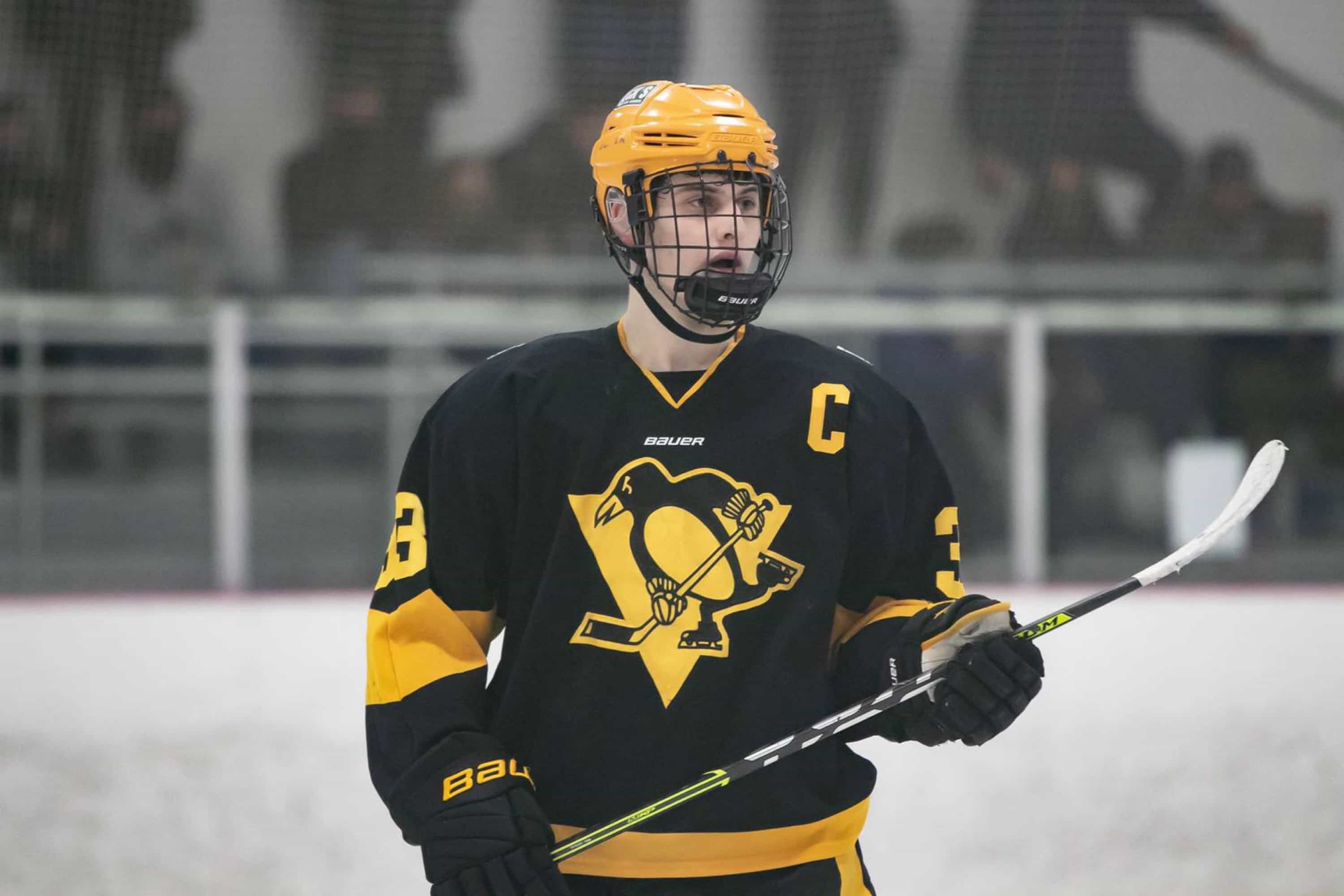
After playing locally in Pittsburgh for two years, I tried out for the Penguins Elite team. I was nervous about going up against the best players from my age group in the Pittsburgh area, but I made the team and played there for eight years.
When I was 15, I was selected in the USHL draft by the Green Bay Gamblers. I spent two years visiting Green Bay, practicing, and working out with the team for a week or two at a time while still playing for the Penguins Elite.
I was planning on going into the league during my senior year of high school, but in my last game with the Penguins Elite, I dislocated my shoulder and required surgery that would put me out for seven months. This was my first real setback in my hockey career.
With the long recovery and rehab that I needed, I decided to push back going to the USHL for one more year and spent my senior year at Avon Old Farms in Connecticut. I made this decision not only because of the hockey program but also because Avon Old Farms provided a great academic environment to finish my high school education.
After my season at Avon Old Farms, I was planning on going to Green Bay in the USHL. The entire staff that drafted me was no longer there, so it was up to me to prove myself once again. I attended training camp, being on the 5th line during it. After a strong training camp and preseason, I cemented a role that I had worked hard to keep through that year.
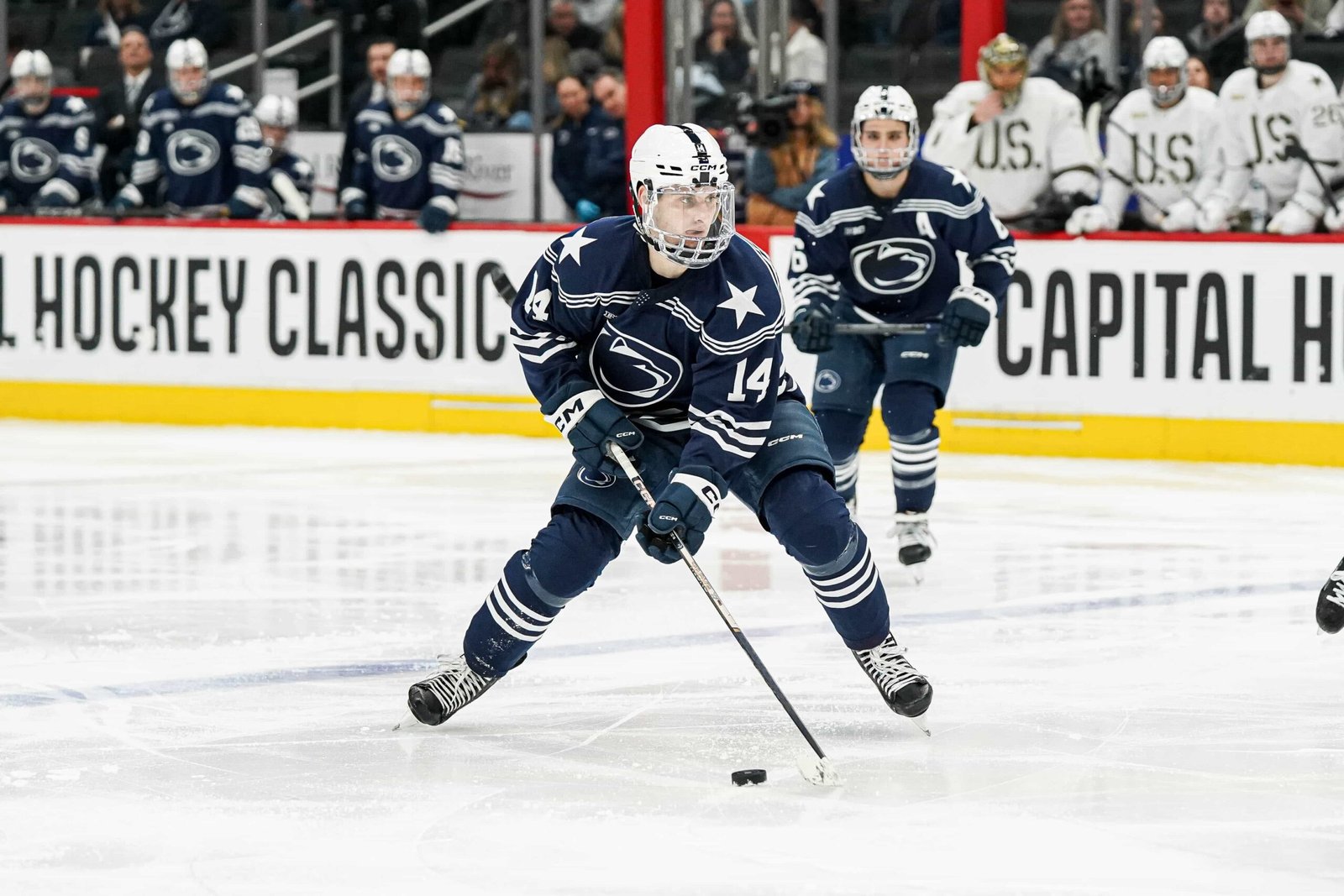
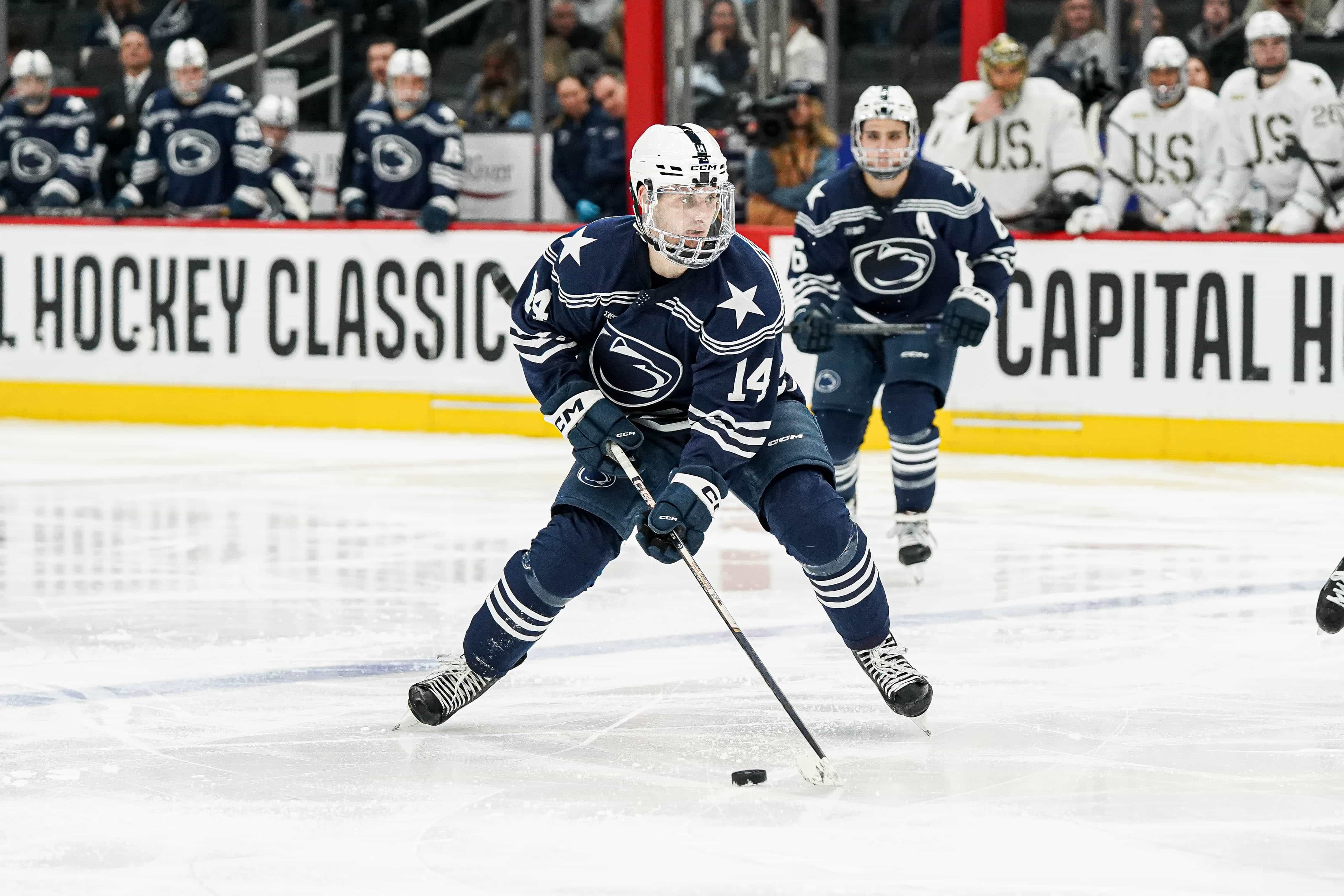
After my year in Green Bay, I went to school at Penn State, where I am now. My time at Penn State has taught me a lot about myself both on and off the ice, especially how to persevere through challenges. College athletics, not just hockey, is truly a combination of the best players around the world in one league.
It took time to adjust, as I did not have the start I wanted to my freshman year. However, I worked hard and developed great relationships with the coaching staff, which helped me build confidence and eventually improve my play tremendously later that year. Learning to have good communication with the coaching staff, being able to go over areas of improvement, and taking advantage of all of the off-ice resources Penn State provides has helped not only my on-ice game, but my off-ice habits as well.
More recently, I was named to the Hobey Baker watch list is a rewarding feeling. It is great knowing all the hard work I have put in has produced results.

What Helped Spark My Development
In my journey of development, there is one common theme: consistency. For me, consistency wasn’t something that I had to force. My love for the sport naturally drove me to get better every day.
In my younger years, that meant rollerblading in the driveway, shooting pucks outside, and watching NHL games on TV. I could see my development taking place early, as I rose to be one of the top players on my team.
When I reached middle school, I started getting into the gym. The strength coaches at the Penguins Elite really helped me create a plan to help my development in becoming stronger and more explosive.
The last major area of my development has been watching video. I started doing this in my senior year of high school, and it is something that has had a major impact on my current game. Hockey IQ is such a valuable skill, and being able to watch games back allowed me to better understand the mental side of the game.
Overall, it was not one day or even one year that made me into the player that I am today. The consistent habits and wanting to get a little bit better every day are the reasons I have been able to accomplish my goal of playing Division 1 hockey.

Setbacks and Adversity
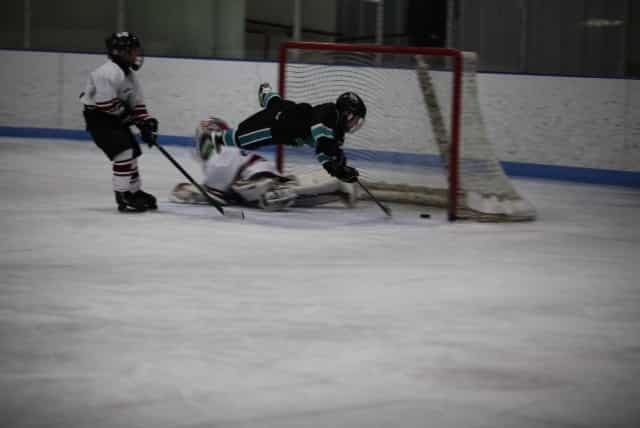
As I mentioned earlier, one of the major setbacks I faced was my shoulder surgery. This was the first time I missed a game due to injury in my entire hockey career.
Going through that process was difficult for me, especially at first. The injury really made me realize how much I enjoy hockey and motivated me to work much harder to be able to play as long as I can.
Another example came at the start of my sophomore year at Penn State. I started the year off really slow and was healthy scratched in a game versus Saint Lawrence. It made me question my process. I had a great summer and was working hard, but I just was not performing to the level that I needed to be during games. I used this experience as an opportunity for me to learn and grow.
Also, there are smaller battles of adversity that are important to overcome, whether that includes a smaller injury or a bad shift. Learning how to mentally focus throughout the course of a practice or game has really helped my development, and something I put a lot of time and energy into this year.
Developing mental strategies and working with mental coaches has helped me excel at this part of the game. This has helped my consistency from a game-to-game basis, which is a skill that becomes more and more important in the higher levels of hockey.

Experiences and Opportunities
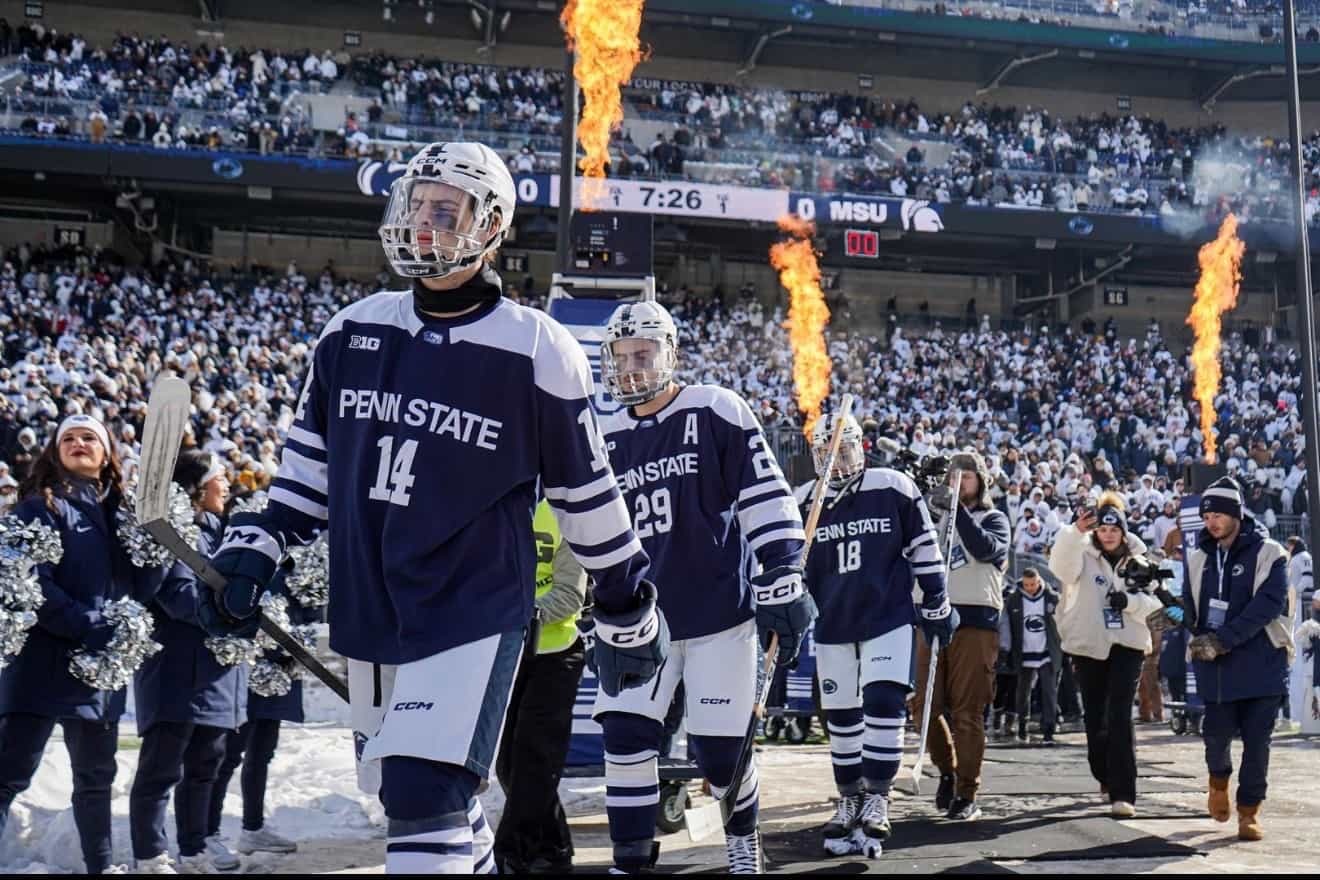
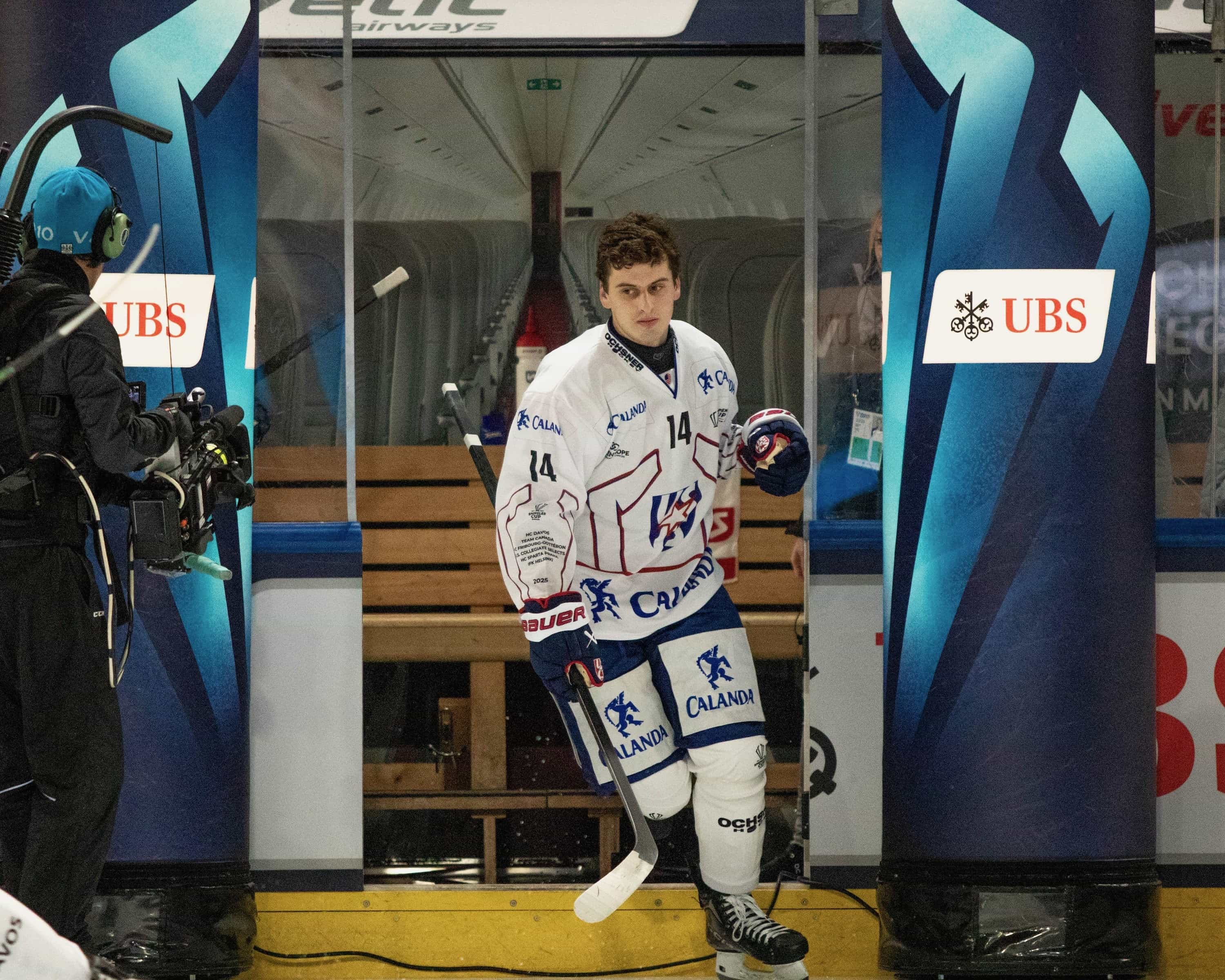
Throughout my hockey journey, I have had amazing experiences, including playing in the Spengler Cup in Davos, Switzerland and playing in Beaver Stadium at Penn State.
The Spengler Cup is the oldest hockey tournament in the world, starting in 1923 in Davos, Switzerland. I represented the U.S. Collegiate Selects, a team full of college all-stars, and the other teams in the Spengler Cup feature professional European teams and Team Canada, which is a team of the best players from Canada not playing in the NHL.
Aside from the hockey, the experience of traveling to Switzerland was something extremely special that I will never forget. This is an example of how hockey can unlock experiences that I would have never had without the game, and I am extremely grateful that hockey was able to give me that opportunity. Secondly, playing in Beaver Stadium, the football stadium for Penn State, was amazing.

What Younger Players Focus on Too Much
I think when it comes to mistakes that I have seen in hockey, a lot of them come with player burnout and then not enjoying hockey as much as they once did.
The average age of an NHL debut is around 21 years old, and that number may only going to get older with the rule change allowing Canadian Hockey League (OHL, WHL, and QMJHL) players to enter college hockey.
One common mistake I have seen with this is guys who rush into the next level of hockey before they are ready. For example, some players jump from youth hockey straight into the junior level. From my personal experience, I could have gone to the USHL at 17, but I decided to finish out high school at Avon Old Farms. I realized where I was in my game, and that physically I was not ready to play junior hockey at that age.
That year in prep school, I put my main focus into putting myself in a position where I could step right into junior hockey and be successful. I worked really hard in the gym and put on a good 10-12 pounds, which I really noticed when I made the transition into the USHL.
In juniors, guys are older and more physical than in Triple-A hockey and having a stronger frame helps on the ice and with injury prevention.
Other guys I played with wanted to make the jump right away. While it worked out for some, others found themselves really struggling to adapt to the junior game, losing their confidence throughout the course of a season, and not living up to the expectations that were set for them. This is also true of the transition from juniors to college.
Another mistake I commonly see is player burnout. Growing up, I played many different sports including lacrosse, basketball, baseball, and golf, just to name a few. Not having hockey as a year-round sport until my senior year of college helped reduce burnout and helped me enjoy it more when I was in season. Playing other sports also leads to building overall athleticism, which is a big component of hockey.
Furthermore, hockey is a hard sport on your body, and taking some time off to enjoy other sports and activities is really important, especially when you are younger.
This leads me to my last point is that hockey is supposed to be fun. I have made friends and memories that will last me the rest of my life. Not stressing out about points and numbers and just enjoying the journey of hockey is important, because everyone truly has a different path and a different career. Controlling what you can control, working to improve every day, and enjoying the game are things that all players should strive to achieve. These things have helped me throughout my career to reach the position I am in now.