


In today’s society of perpetual connection and communication, the contact with reality should be the rule, right? Everybody has access to talking, reacting, liking, and yes, communicating with their peers, as well as strangers. It doesn’t even matter if you want to keep your matters private. A simple photo will expose you, and therefore, your life will be in the public eye.
Unfortunately, this is not true. Despite society’s ability to network, we seem to be living in times when life, as interesting as the journey is, is twisted around for the pleasure of those who witness it. The use of social media, of course, is a huge part of this virtual reality where nothing is as it seems, and technology allows everyone to pretend to be someone else. Strangely, this has stopped us from being participants in a hub of communication. Although our stories could be openly told, some prefer to block, restrain, and even charge others to hear about them. It’s a grim paradox that doesn’t hint at a better outcome.
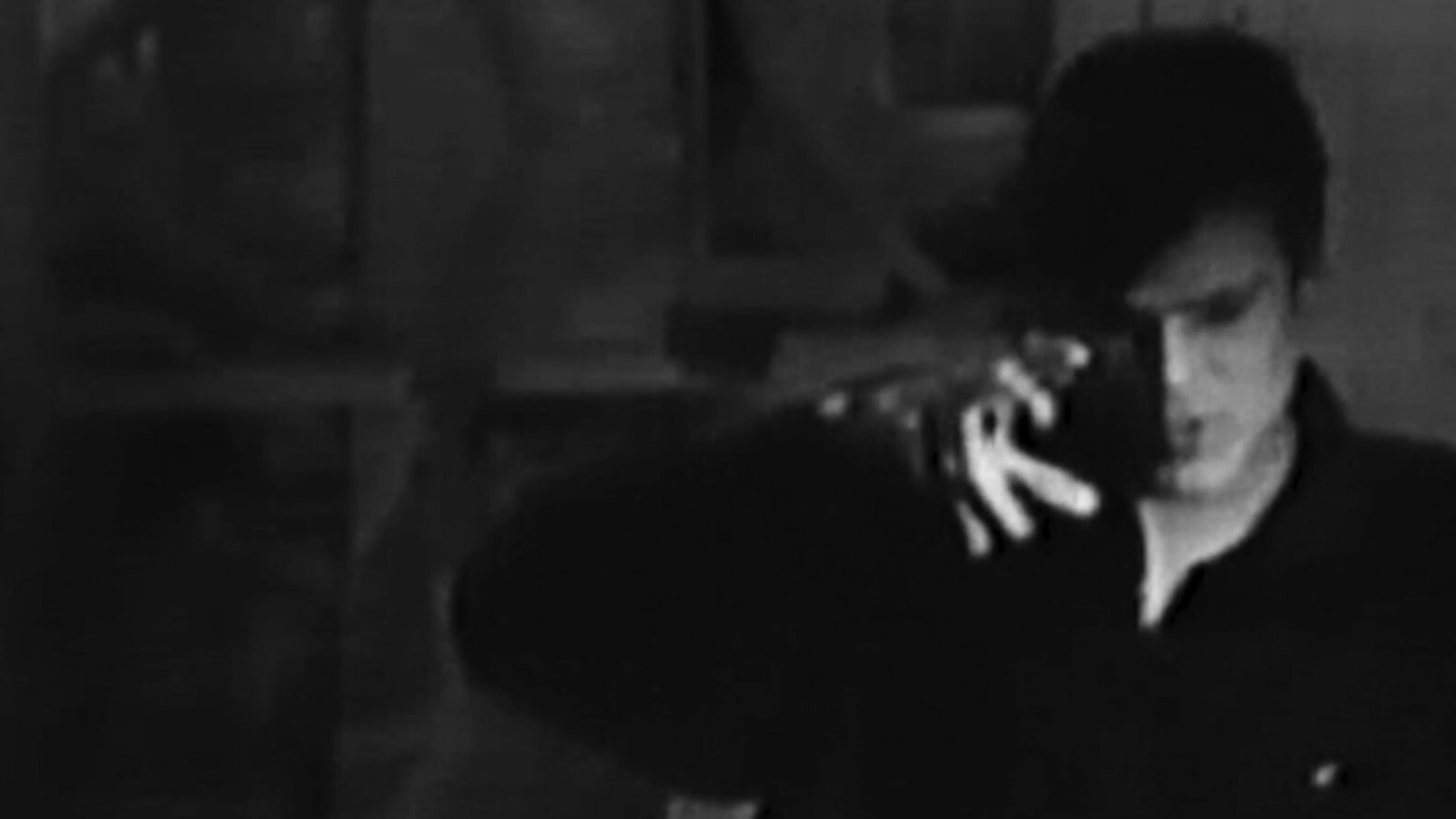
Documentaries like The Passengers offer you a glimpse at how things were once. Unknown strangers telling stories about their life, and the subsequent feeling that centuries have passed since the ‘90s. Back then, the analog reigned over digital, and the warmth of glitchy images felt more real. The Passengers is the perfect execution of its goal: to be a time capsule that represents a view of the imperfect past, where reality was seen without filters, formats, and apps.
However, I can’t say The Passengers was a wonderful and pleasant experience. It transcends this. The documentary is based on interviews to New Yorkers who were kind enough to open themselves in 1992, and speak their mind about everything. It’s a fantastically diverse document that reveals a mindset that simply feels fascinating. All the interviews are in the form of footage that will give you a headache if you’re not used to seeing images in low definition.
The Passengers wasn’t the stream of reality I needed, but it left me thinking for a few days. If these strangers had the courage to spill their guts to a stranger, shouldn’t we practice the art of communicating with each other, as harsh as the truth about our lives may be? It’s weird that a time capsule has this effect, but every day that goes by, I become more convinced that things in the past were… easier. Society was more self-aware of the real issues and there wasn’t the collective necessity to hide the truth about ourselves.
I don’t really know if director Thomas F. Mazziotti intended this to be an effect of his movie, but as personal as those stories told on his film were, the effect of it can also be personal.


Film critic. Lover of all things horror. Member of the OFCS. RT Approved Critic.
