Close Menu
KumbhCoinorg
    What's Hot

    Olivia Wilde Reacts to Photo Looking “Sick,” Like “Dead Body” on Red Carpet

    June 18, 2026

    Paramount+’s “The Agency” Expands Its Scope With An Exhilarating Second Season

    June 18, 2026

    Tariff Math Doesn’t Work, and the White House Already Admitted It

    June 18, 2026
    Facebook X (Twitter) Instagram
    Trending
    • Olivia Wilde Reacts to Photo Looking “Sick,” Like “Dead Body” on Red Carpet
    • Paramount+’s “The Agency” Expands Its Scope With An Exhilarating Second Season
    • Tariff Math Doesn’t Work, and the White House Already Admitted It
    • When Consumers Pull Back, Where Does Your Excess Inventory Go?
    • Women’s T20 World Cup 2026: Ellye Perry blind ranks top 5 all-rounders: Amelia Kerr earns No. 1 spot
    • Mason McTavish Rumors: St. Louis Blues, and the Montreal Canadiens
    • Fed holds US interest rates steady as uncertainty over Trump's Iran deal remains
    • Fed Signals Possible Rate Hikes As Kevin Warsh Opens ‘New Chapter’ At Central Bank
    Facebook X (Twitter) Instagram
    KumbhCoinorg
    Thursday, June 18
    • Home
    • Crypto News
      • Bitcoin & Altcoins
      • Blockchain Trends
      • Forex News
    • Kumbh Mela
    • Entertainment
      • Celebrity Gossip
      • Movie & TV Reviews
      • Music Industry News
    • Market News
      • Global Economy Insights
      • Real Estate Trends
      • Stock Market Updates
    • Education
      • Career Development
      • Online Learning
      • Study Tips
    • Airdrop News
      • Ico News
    • Sports
      • Cricket
      • Football
      • hockey
    KumbhCoinorg
    Home»Market News»Global Economy Insights»Tariff Math Doesn’t Work, and the White House Already Admitted It
    Global Economy Insights

    Tariff Math Doesn’t Work, and the White House Already Admitted It

    kumbhorgBy kumbhorgJune 18, 2026No Comments4 Mins Read
    Facebook Twitter Pinterest LinkedIn Tumblr Email
    Tariff Math Doesn’t Work, and the White House Already Admitted It
    Share
    Facebook Twitter LinkedIn Pinterest Email Copy Link

    The Trump Administration’s initial demand for renegotiating the United States-Mexico-Canada Agreement (USMCA) includes an opening position that vehicles covered by the deal be composed of at least 50 percent American-made components, in terms of dollar value. It’s a revealing concession, because if the goal is truly to manufacture everything in America, the threshold would be 100 percent, not 50 percent. As it turns out, executive orders cannot unwind a global economy. 

    The White House’s concession should jump-start a more honest accounting of what their tariffs actually are: a consumption tax, paid by American households, spread across nearly every goods-producing sector in the economy. 

    At the auto dealership, Anderson Economic Group estimated that for a domestically assembled vehicle, the combined effect of steel and aluminum input tariffs and the 25-percent tariff on imported parts adds $2,500 to $4,500 to the sticker price of a new vehicle. 

    For a fully imported car, S&P Global Mobility put the figure as high as $12,000. The National Automobile Dealers Association estimated an average increase of $3,000 to $4,000 across the new-car market. This is the inevitable result of taxing the steel used for every brake rotor, exhaust system, and engine block assembled in the United States.

    A transmission set at $2,000 wholesale faces $500 in new tariff costs. An engine block at $5,000 will have $1,250 tacked on top. 

    The recreational vehicle industry is facing a similar reckoning. Elkhart County, Indiana, which produces roughly 80 percent of the global RV supply, is structurally dependent on steel and aluminum. An average travel trailer uses well over a thousand pounds of steel and hundreds of pounds of aluminum. And because of that, the industry warns that prices could rise by more than 25 percent. 

    Thor Industries, the world’s largest RV manufacturer, reported a 470-basis-point compression in gross profit margins and a 25-percent drop in North American shipments in its most recent quarter, attributing it directly to “rising material costs brought on by tariff and inflationary pressures.” Those costs, of course, don’t disappear. Americans feel the pain when those costs show up in high vehicle prices or in layoffs in Indiana.

    Tariffs also reach the grocery aisle. Steel and aluminum tariffs are estimated to increase the cost of canned food by 15 to 20 percent, and the same trend hits the beer fridge. The Beer Institute has documented that aluminum is the single largest input cost in American brewing. The US beverage industry paid more than $1.7 billion in excess costs through 2023 from Section 232 tariffs alone — and that was before the 2025 escalation. 

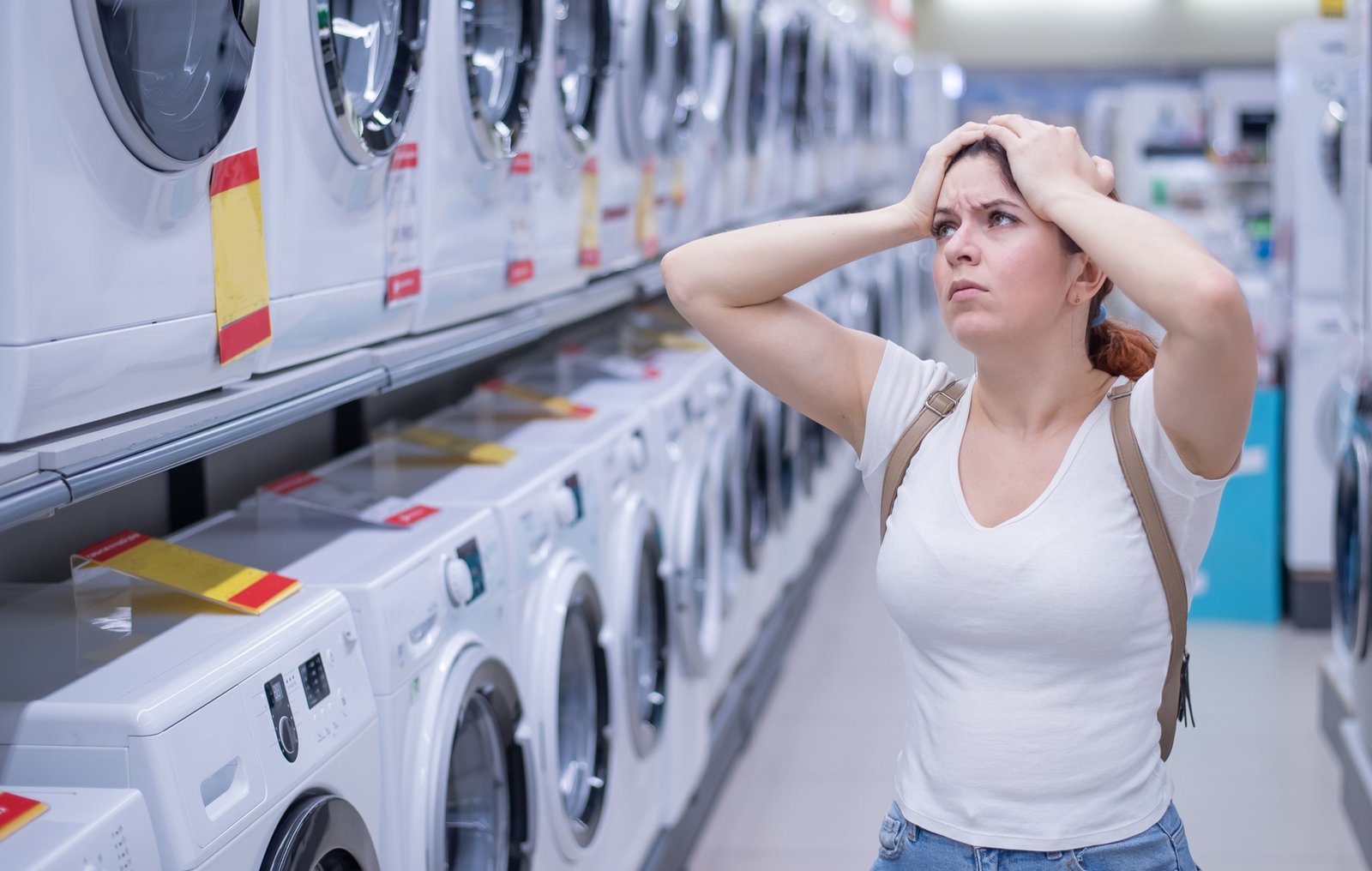
    Appliances face the same ugly math. 

    In June 2025, the administration explicitly extended Section 232 to cover the steel content of dishwashers, refrigerators, washing machines, dryers, and stoves. The USITC’s 2023 study documented near-complete pass-through of Section 232 costs to consumers in the first year, meaning the $30 to $100 in added materials costs per appliance is not absorbed by manufacturers and is paid for by consumers. 

    The Tax Foundation estimates that Section 232 tariffs now cost the average American household $600 to $700 per year, which is a heavy burden for lower-income households.

    Supporters of these tariffs argue that the short-term pain is worth the long-term gain of rebuilding American industrial capacity. That instinct and desire to want more things made in America is understandable. But the 50-percent domestic-content threshold proposal in the USMCA talks undermines the argument. The administration is not claiming it can onshore all of it. Instead, it claims it can tax its way to onshoring some of it, while passing the cost of the rest on to every American who buys a car, opens a refrigerator, or cracks a beer.

    There is a better framework, and President Trump already negotiated it. 

    The United States-Mexico-Canada Agreement, concluded in his first term, established 75 percent regional value content requirements for automobiles, created enforceable rules of origin, and opened Canadian and Mexican markets to American exporters. It was a strong deal that incentivized North American production without taxing American consumers on every can of soup or appliance on the showroom floor.

    The president should be enthusiastically defending the USMCA. If the goal is to build more cars in North America with American steel, the trade agreement he signed is a good instrument to achieve that.

    Tariffs that acknowledge, in their own threshold language, that integrated supply chains cannot be fully onshored are not a serious manufacturing policy. They are a consumption tax in disguise — and American families are the ones paying for it.

    admitted doesnt House math Tariff White Work
    Share. Facebook Twitter Pinterest LinkedIn Tumblr Email
    Previous ArticleWhen Consumers Pull Back, Where Does Your Excess Inventory Go?
    Next Article Paramount+’s “The Agency” Expands Its Scope With An Exhilarating Second Season
    kumbhorg
    • Website
    • Tumblr

    Related Posts

    Global Economy Insights

    Tips Menguasai Gaya Simpel Untuk Pemula » Dashofinsight

    By kumbhorgJune 17, 2026
    Global Economy Insights

    Nearly All Monetary Rules Say the Fed Should Raise Rates

    By kumbhorgJune 17, 2026
    Global Economy Insights

    Green Growth: Data Show Freeing Economies Doesn’t Harm the Environment

    By kumbhorgJune 16, 2026
    Movie & TV Reviews

    Captivating Third Season of “House of the Dragon” Is More Complex Than Ever

    By kumbhorgJune 16, 2026
    Global Economy Insights

    Batu Seremban, Permainan Adat Yang Tetap Seru Di Era Digital » Dashofinsight

    By kumbhorgJune 16, 2026
    Study Tips

    AI Isn’t Breaking Work. It’s Already Broken.

    By kumbhorgJune 15, 2026
    Add A Comment

    Comments are closed.

    Don't Miss

    Olivia Wilde Reacts to Photo Looking “Sick,” Like “Dead Body” on Red Carpet

    By kumbhorgJune 18, 2026

    Don’t worry, darling, Olivia Wilde is doing just fine. The Invite director addressed speculation about…

    Paramount+’s “The Agency” Expands Its Scope With An Exhilarating Second Season

    June 18, 2026

    Tariff Math Doesn’t Work, and the White House Already Admitted It

    June 18, 2026

    When Consumers Pull Back, Where Does Your Excess Inventory Go?

    June 18, 2026
    Top Posts

    Satwik-Chirag storm into China Masters final with straight-game win over Malaysia | Badminton News

    September 21, 2025176 Views

    SaucerSwap SAUCE Crypto Breaks Key Resistance Amid Nvidia-Hedera Deal

    July 15, 202548 Views

    Unlocking Your Potential with Mubite: The Future of Crypto Prop Trading

    September 17, 202533 Views

    Stablecoins 2025 Exchange Reserves: Insights into DeFi Trends

    September 8, 202532 Views
    Stay In Touch
    • Facebook
    • Twitter
    • Pinterest
    • Instagram
    • YouTube
    • Vimeo
    About Us

    Welcome to KumbhCoin!
    At KumbhCoin, we strive to create a unique blend of cultural and technological news for a diverse audience. Our platform bridges the spiritual significance of the Kumbh Mela with the dynamic world of cryptocurrency and general news.

    Facebook X (Twitter) Pinterest WhatsApp
    Our Picks

    Olivia Wilde Reacts to Photo Looking “Sick,” Like “Dead Body” on Red Carpet

    June 18, 2026

    Paramount+’s “The Agency” Expands Its Scope With An Exhilarating Second Season

    June 18, 2026

    Tariff Math Doesn’t Work, and the White House Already Admitted It

    June 18, 2026
    Most Popular

    7 things to know before the bell

    January 22, 20250 Views

    Reeves optimistic despite surprise rise in UK borrowing

    January 22, 20250 Views

    Barnes & Noble stock soars 20% as it explores a sale Barnes & Noble stock soars 20% as it explores a sale

    January 22, 20250 Views
    • Terms and Conditions
    • Privacy Policy
    • Contact Us
    • About Us
    © 2026 Kumbhcoin. Designed by Webwizards7.

    Type above and press Enter to search. Press Esc to cancel.