

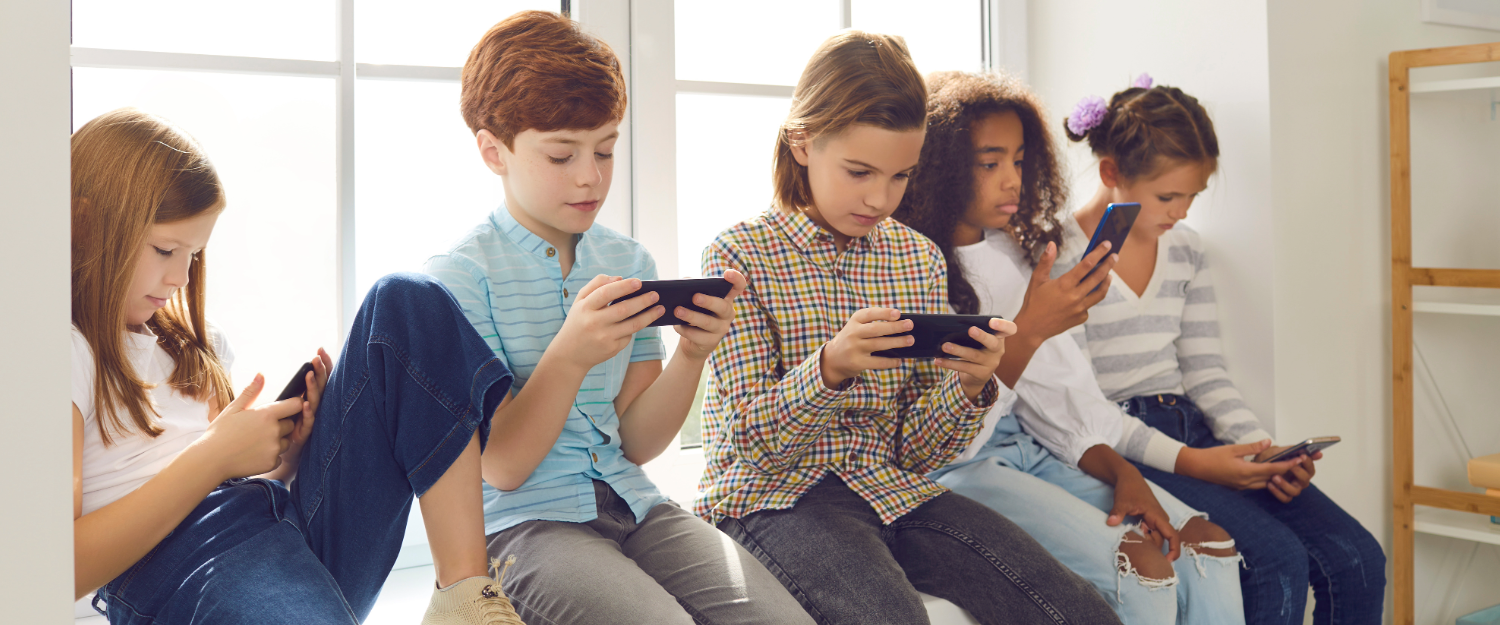
As of last week, children under the age of 16 in Australia are now banned from using a long list of popular social media platforms, including Facebook, Instagram, Snapchat, YouTube, and, perhaps most notably, TikTok
The law requires these companies to identify and deactivate accounts of users under 16, and to prevent them from setting up new accounts in the future. Failure to comply can result in fines of up to $33 million.
Since it was proposed a year ago, the ban has drawn complaints from tech companies who argued that determining users’ ages is somehow beyond their engineers’ capabilities. There was also scattered pushback from civil liberties groups concerned about privacy and free speech.
But the government remained firm, stating it was committed to its goal of combating “design features that encourage [kids] to spend more time on screens, while also serving up content that can harm their health and wellbeing.”
It was hard for them to do anything else after a study they commissioned earlier this year revealed the following disturbing trends:
- 96% of children aged 10-15 in Australia use social media
- 7 out of 10 had been exposed to harmful content.
- More than half had been the victim of cyberbullying.
- 1 in 7 experienced grooming-type behavior.
The natural follow-up question for Americans is: Would such a ban be legally feasible in our country? (Putting aside, for now, the political appetite for such regulation, which is a different issue altogether.)
Last January, I investigated this question for The New Yorker. For this piece, I interviewed Meg Jones, a colleague of mine at Georgetown’s Center for Digital Ethics, who works at the intersection of technology and law. I asked her to explain how regulators decide when it’s appropriate to ban something that harms kids.
I recommend reading the full article to learn more about the legal issues at play. But for those who are looking with a wistful eye toward our friends down under, I’ll reproduce Jones’s prediction. “I think age verification is going to pass constitutional scrutiny this year, and we’re going to see a wave of state laws restricting social media for kids,” she told me. “Or maybe that is just my wishful thinking.” I’m wishing, too.
