

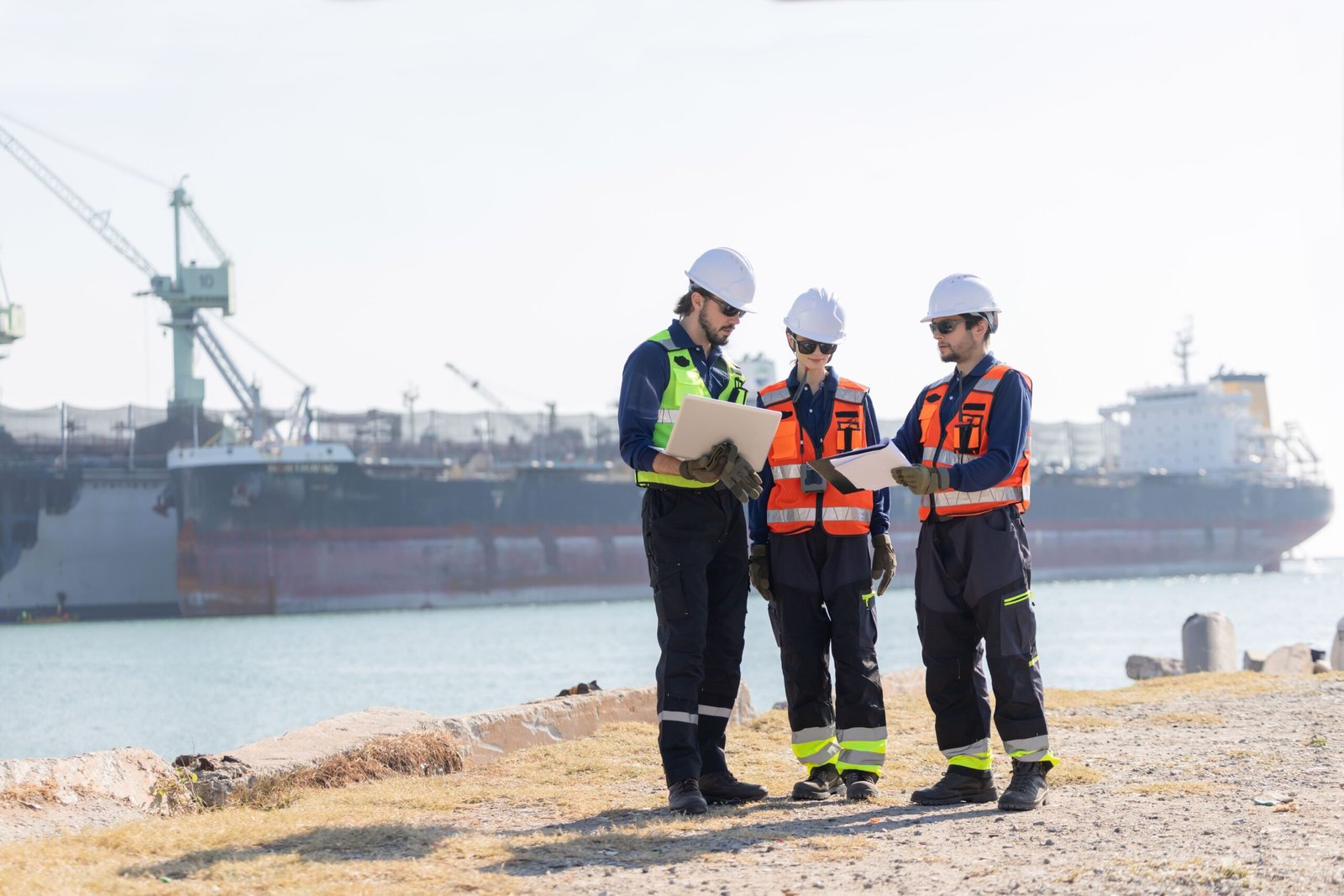
For a nation that dominates the seas, the United States now faces a critical crossroads. Its commercial shipyards — once the envy of the world — have fallen into near collapse.
The Trump administration’s 2026 Maritime Action Plan aims to reverse this decline with sweeping fees on foreign-built ships and subsidies to revive domestic production and rebuild the maritime industrial base.
Yet rather than confronting the structural causes of decline, Washington has turned to familiar tools: protectionism, subsidies, and penalties on foreign competition. America’s shipbuilding troubles did not begin with foreign rivals — and they will not be solved by taxing them. Without addressing the industry’s underlying weaknesses, the plan risks raising costs, distorting trade, and ultimately burdening American consumers and businesses.
The Hidden Costs of the Maritime Action Plan
At the center of the Maritime Action Plan is a sweeping fee regime targeting foreign-built ships, aimed at redirecting demand to US shipyards and countering foreign competition — particularly from China. Under this plan, cargo arriving at US ports on foreign-built vessels would be subject to fees ranging from 1 to 25 cents per kilogram.
Though seemingly modest, these fees quickly become substantial given the scale of modern shipping. A one-cent fee would add about $375,000 to a typical 5,000-TEU containership call; at 25 cents, the cost would jump to approximately $9.4 million — costs that would severely disrupt shipping economics.
Tanker shipping would face similar pressures. An Aframax crude tanker could incur around $700,000 per port call at one cent per kilogram and up to $17.5 million at the high end. These costs would not be borne by shipowners. They would flow through charter contracts to importers and ultimately to consumers, particularly through higher fuel prices. Car carriers would face similar pass-through effects, with higher shipping costs ultimately reflected in vehicle prices.
Scaled nationwide, the impact becomes substantial. The fees could add roughly $2.1 billion annually to containerized imports at the low end and more than $52 billion at the high end — effectively a tax on global trade that raises landed costs across the economy. Because the charges are weight-based, they ignore value and strategic importance, creating uneven effects across industries. Ultimately, the costs would be passed on to consumers, without addressing the underlying causes of America’s maritime decline.
The deeper problem is that global shipping is deeply interconnected. China, for instance, now sits at the center of the industry. Its shipyards produce more than half of the world’s ships, account for more than 70 percent of new container orders, and make up nearly 30 percent of the active fleet. Major global carriers — responsible for over 80 percent of US imports — also rely heavily on Chinese-built vessels. The policy would therefore disrupt not just foreign competitors, but the backbone of US trade itself.
The damage wouldn’t stop at rising prices, either. Major shipping lines have already warned that widespread port penalties could lead them to reduce stops at smaller American ports, focusing service on larger gateways or rerouting cargo through Canada and Mexico before it reaches the US by rail or truck. The main targets would be small and mid-sized port communities, dockworkers, truckers, and warehouse workers — the very groups these policies aim to protect.
Why a US Shipbuilding Comeback Won’t Happen
The Maritime Action Plan also seeks to increase the share of international trade carried on US-built, US-flagged, and US-crewed vessels — effectively extending Jones Act logic to global trade. Yet this ambition collides with industrial reality. US shipyards accounted for less than 0.3 percent of global output over the past decade, falling to just 0.04 percent in 2024. Production of large cargo ships has averaged fewer than three per year, and the United States has not built an LNG tanker in more than four decades. The Government Accountability Office has described the sector as experiencing near total collapse.
The gap with international competitors is stark. A large commercial vessel built in the United States can cost up to $250 million — roughly five times a comparable foreign-built vessel. Oil tankers priced at about $47 million internationally can exceed $220 million in US yards, while operating a US-flagged ship costs more than $11 million annually, compared with roughly $2.6 million for foreign-flagged vessels. Construction timelines are equally uncompetitive: recent US-built containerships have taken up to 40 months to complete, versus less than six months in South Korea.
Scale presents another obstacle. The plan envisions about 25 ships per year over a decade. By comparison, China delivered an average of 832 commercial ships annually from 2022 to 2024, compared with 259 in Japan and 214 in South Korea. Even at full implementation, US output would remain too small to achieve economies of scale or meaningful competitiveness.
The industry’s decline is structural, not temporary — and far too deep to be reversed by mandates or subsidies alone. Labor shortages remain a central obstacle. Shipbuilding requires a stable, highly skilled workforce, yet US yards struggle to hire and retain workers. The Philadelphia shipyard — often seen as central to any revival — has reportedly faced turnover approaching 100 percent, while other yards report similar shortages. Although countries such as South Korea and Japan have relied on foreign labor to ease workforce constraints, such an approach sits uneasily with current US immigration policy.
Infrastructure poses another challenge. Much of the US shipbuilding infrastructure dates back to World War II, leaving American yards far behind global competitors in automation and productivity. High input costs — driven by steel tariffs and a weakened supplier base — further erode competitiveness. These constraints underscore a broader reality: America’s shipbuilding decline is structural, not due to foreign competition, and protectionism cannot reverse it. Reviving American shipbuilding will require confronting these realities — not repeating a century of failed protectionist policies.
