

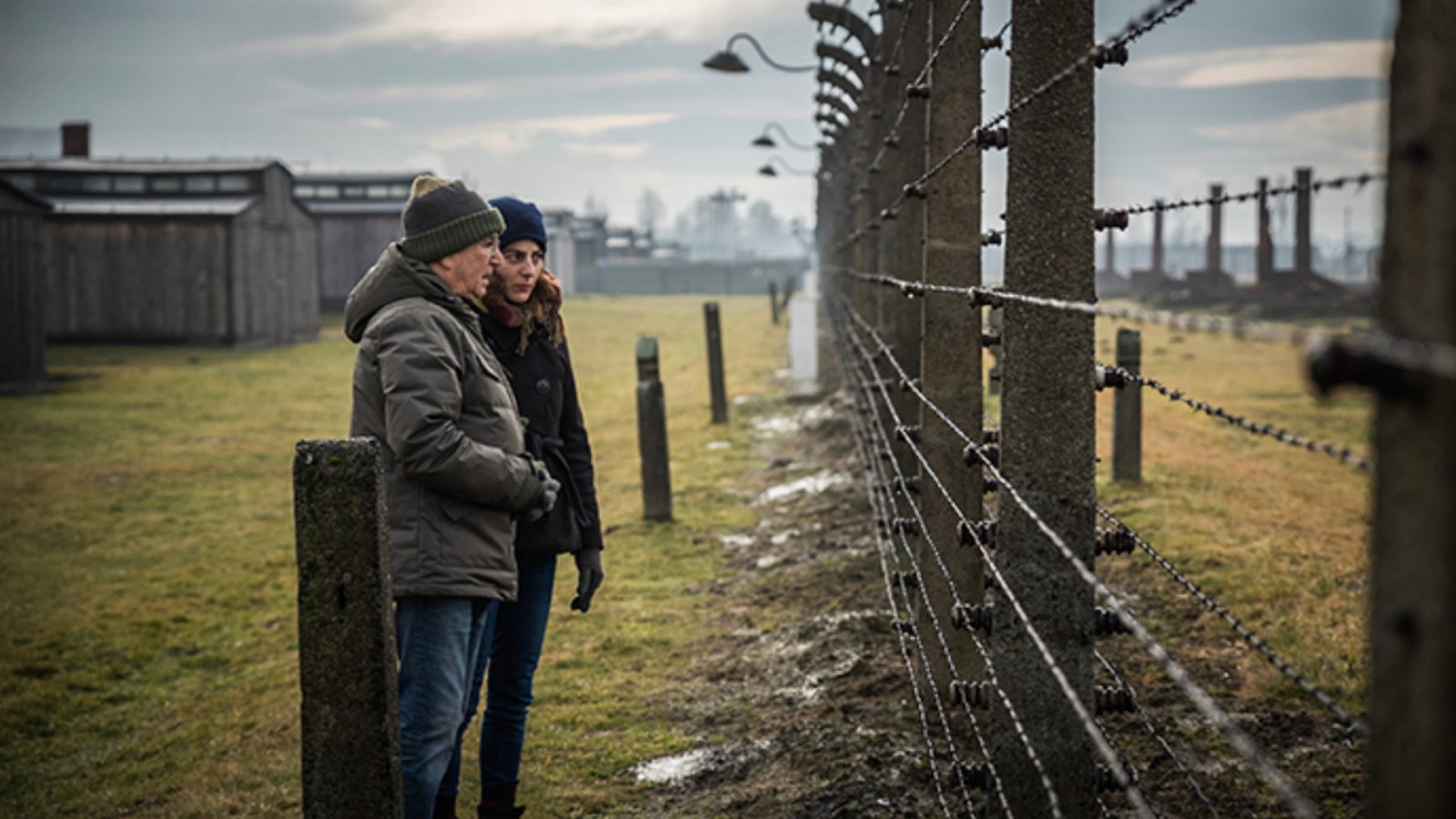

“How could human beings do that? The answer was very clear. They believed that what they were doing was right.”
The uplifting yet heartbreaking documentary For the Living tries its best to explain something that should be part of the human condition. The principle of empathy, and what stands on the other side of the spectrum, dehumanization. Using the backdrop of conflicts throughout history, the feature delivers its powerful message of reflection. And while playing like a very relevant history lesson, it does shake you to your core. Sometimes, it really is about extending a message of peace to remind everyone why it matters.
But it isn’t enough. Not nearly enough. For the Living tells the story of those who lived through hell and survived to tell the story of staring at the face of a monster – a monster that was essentially human and decided to exploit others for an agenda, personal pleasure, or religious belief. The film forces us to navigate the terrifying side of history while chronicling a modern event that tries to spread a message. While there’s not much balance in this part of the film, and the cycling event does end up feeling a bit underwhelming, it is quite clear what directors Marc Bennett and Tim Roper are trying to achieve.
For the Living follows a formula. It is necessary this time. It’s how modern viewers are used to absorbing information about events that took place almost a century ago. Nevertheless, the documentary also does a fine job in placing the viewer in modern times, when dehumanization has also made a presence, and not exactly in remote conflicts. One scene that got to me regards Schindler’s List, its immediate impact, and the world’s recognition of Spielberg’s prowess. Sadly, as the entire world understood the legacy of Oskar Schindler and the horrors of the Nazi Holocaust, another ethnic cleansing was taking place on our same planet. A chilling reminder that history repeats itself
The excess of taglines and quotes isn’t exactly noticeable in For the Living because with this type of film, the more the better. One of the reasons why it is necessary to go through history again, and learn about the times humans were abhorrently monstrous in their actions, is because we need to guarantee that it doesn’t happen again. In that regard, we have failed, as today, the world has sadly incorporated hatred in its gears, and we haven’t been able to stop modern conflict. Perhaps, as viewers, we will never have the power to do so, but understanding dehumanization and being able to observe empathy are the first steps towards building a better world. For the Living does help—even if only by starting a conversation.


Film critic. Lover of all things horror. Member of the OFCS. RT Approved Critic.
