My Hockey Story
When I think about where my hockey life really began, it isn’t a draft day, a goal, or a contract. It’s a backyard rink in Sault Ste. Marie, Ontario, standing beside my dad, freezing cold, just happy to be on the ice. Hockey wasn’t a plan back then. It was play. It was imagination. It was freedom.
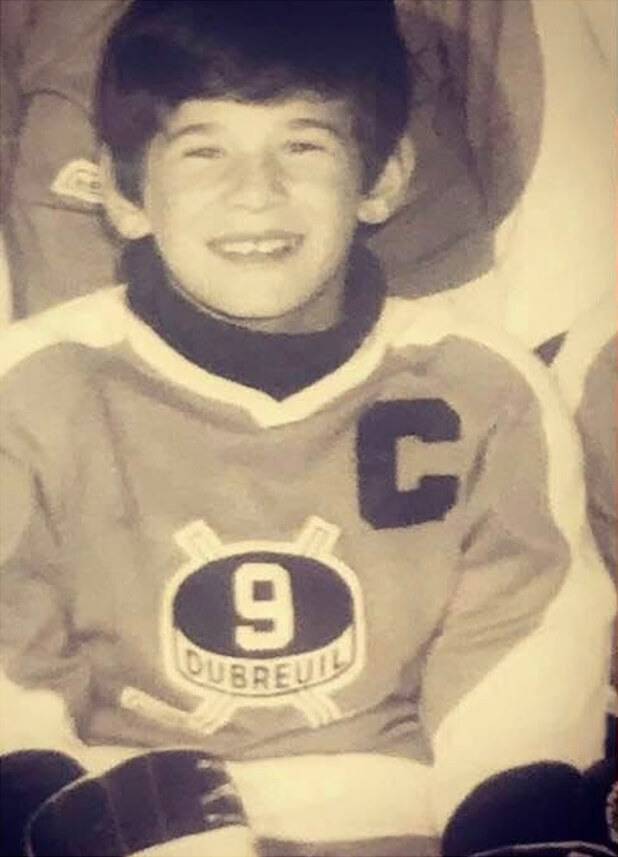
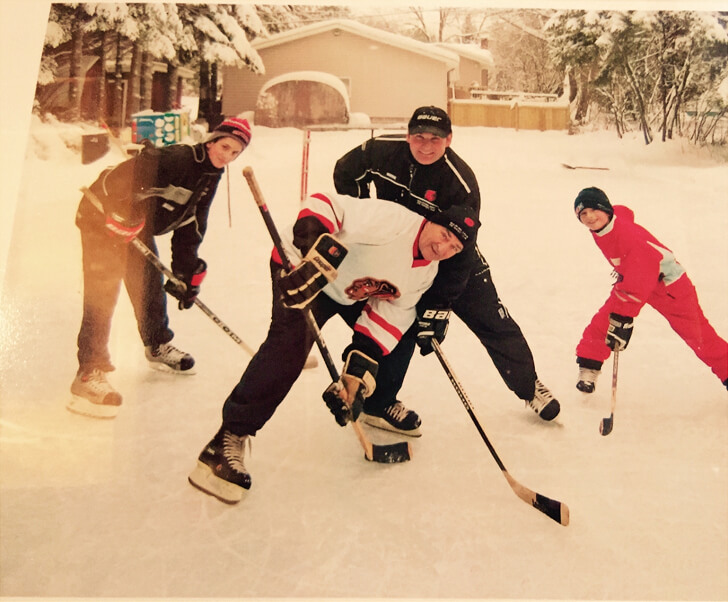
My father was a great athlete and one of the best players to come out of the Soo, so hockey was always around us. But there was never a blueprint handed to me. In those days, the only NHL game we watched was Hockey Night in Canada on Saturday nights. We’d sit there, wide-eyed, then head outside and pretend we were those players. No coaches, no systems, just kids copying what they saw and figuring it out together.
Unstructured Play Matters More Than You Think
Most of what I learned about hockey didn’t come from drills. It came from shinny games at schoolyard rinks, playing with anyone who showed up. Bigger kids, smaller kids, better kids, it didn’t matter. You learned quickly or you didn’t get the puck. That’s where my feel for the game came from. I grew up playing with Ron Francis, and even back then, you could see how those unstructured games built vision and awareness. We weren’t thinking about development; we were just having fun. That mattered more than we realized.
At eight years old, we played one organized game a week. Everything else was backyard time. If something didn’t feel right in my game, I didn’t talk about it. I went outside and worked on it. Shooting pucks. Stickhandling. Skating until it felt natural. Looking back, that was one of the best things I ever did: I learned to self-correct. What worked for me was owning my improvement. What didn’t work was waiting for someone else to fix things for me.
When Talent Meets Preparation
As I moved into travel hockey and eventually bantam and midget, the game became more competitive, but the foundation stayed the same. Confidence came from preparation. My breakout years didn’t happen by accident. They happened because I enjoyed the work. Scoring 86 goals in 32 games wasn’t about chasing numbers; it was the result of years of loving the process. Winning championships taught me that individual success means very little if it doesn’t serve the team.
Growing up in Sault Ste. Marie, you couldn’t escape the presence of Wayne Gretzky. Knowing he once played there made the dream feel real. After my second year of midget, I was drafted at 16 by the Toronto Marlboros of the OHL. That was the first time hockey started to feel serious. My advice to young players is simple: admire great players yes, but don’t copy their results. Copy their habits.
Junior Hockey: Growing Up Fast
Leaving home for junior hockey in Toronto was a shock. I was homesick, uncomfortable, and learning fast that talent alone doesn’t protect you. Those three years forced me to mature quickly. I learned how to manage pressure, how to compete every day, and how to keep going when things weren’t easy. What worked was resilience. What didn’t was thinking confidence comes automatically; it has to be rebuilt constantly.
The NHL Dream — And the Reality
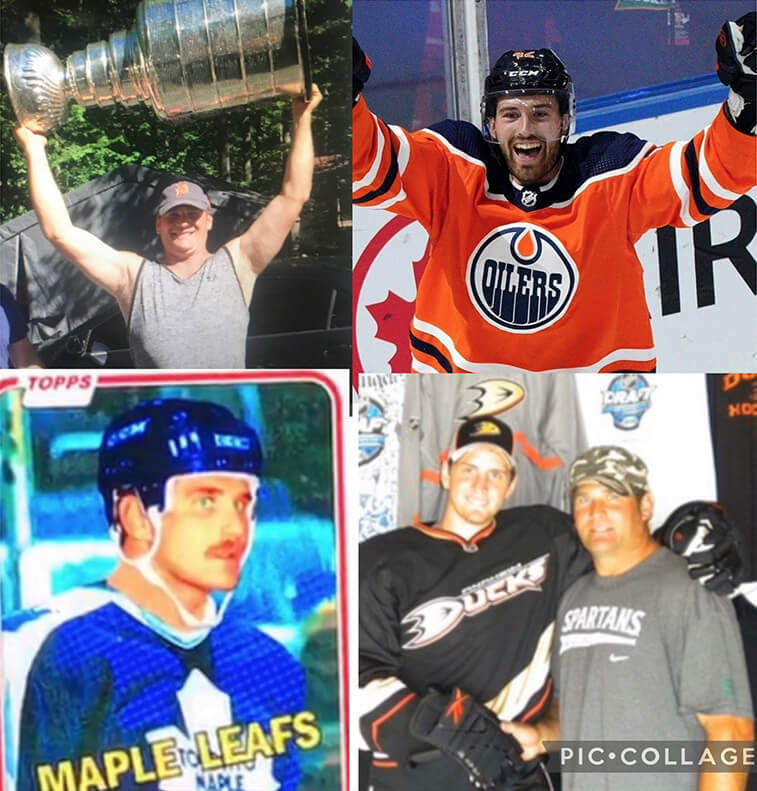
At 18, I was drafted by the Toronto Maple Leafs. It felt like everything I’d worked for was finally happening. I signed with the Leafs and made my NHL debut at 19, playing alongside legends like Darryl Sittler and Börje Salming. In seven games, I had five points. One day still feels unreal: I played a junior game in the afternoon, scored a hat trick, got called up that night, and scored my first NHL goal against Tony Esposito. It’s a moment I’ll always carry with me. To this day, it remains in the Hockey Hall of Fame as the only player to achieve that task to this day.
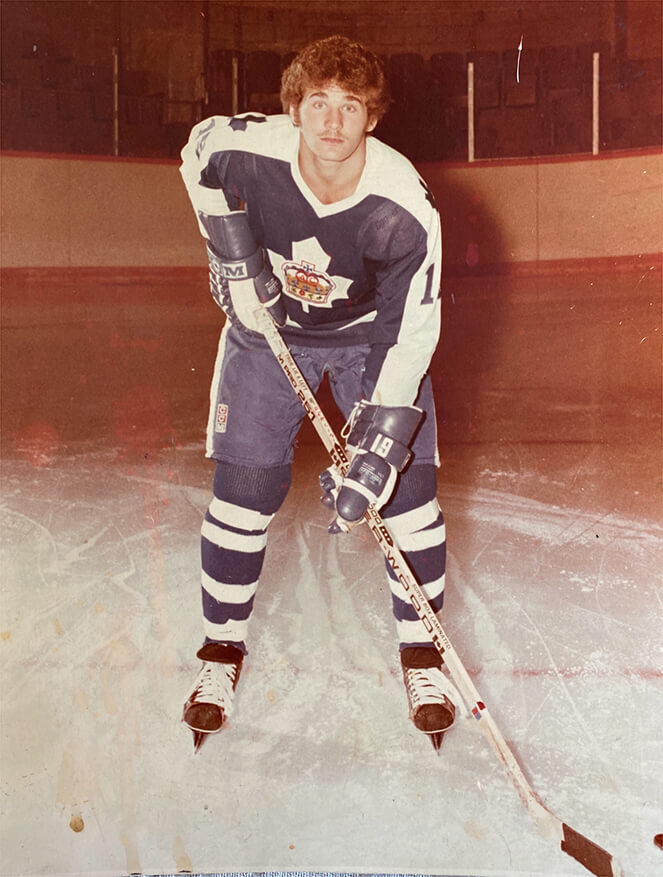
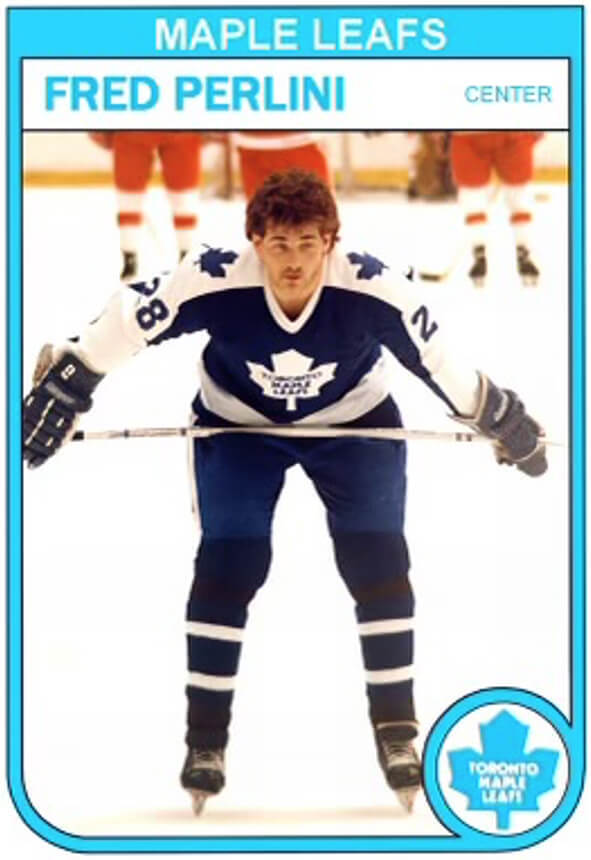
But here’s the part people don’t talk about enough: success doesn’t protect you from reality. My professional career between the NHL and AHL taught me that hockey is a business. It’s a numbers game; especially in an era with only 12 to 14 NHL teams. I played well. I contributed. But opportunity isn’t always tied to performance. That was a hard lesson.
Rediscovering the Game
There came a point when I knew I could play, but I wasn’t getting the chance I wanted. Toronto wouldn’t trade me, and I had to decide whether to stay frustrated or find another path. At 26, I chose to leave North America and go to Europe. At the time, some people saw that as a step back. For me, it became a step forward.
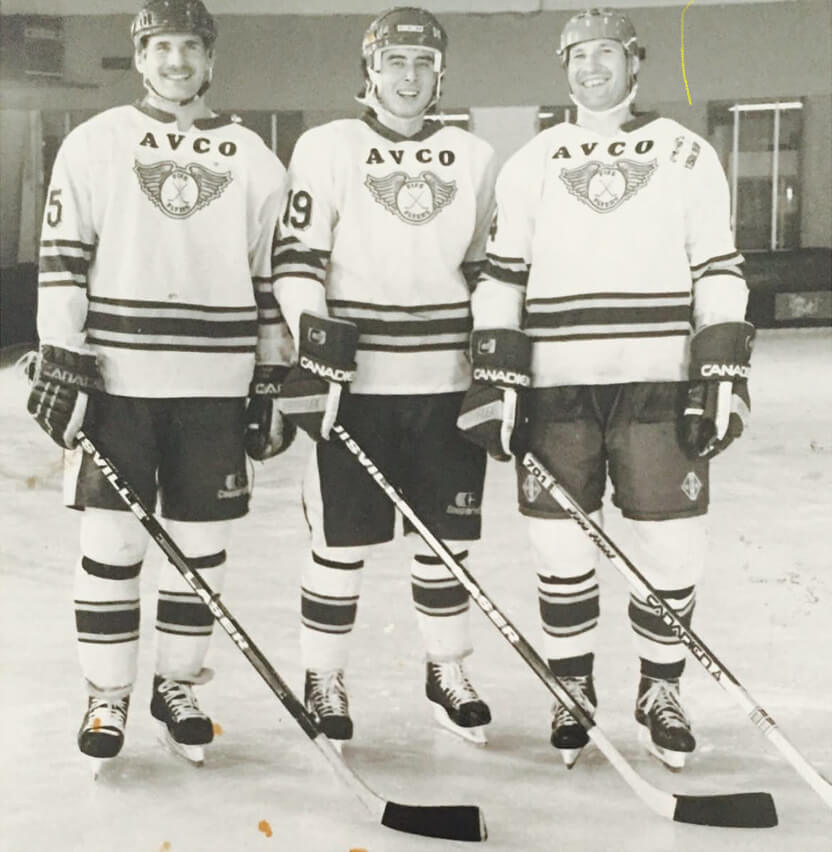
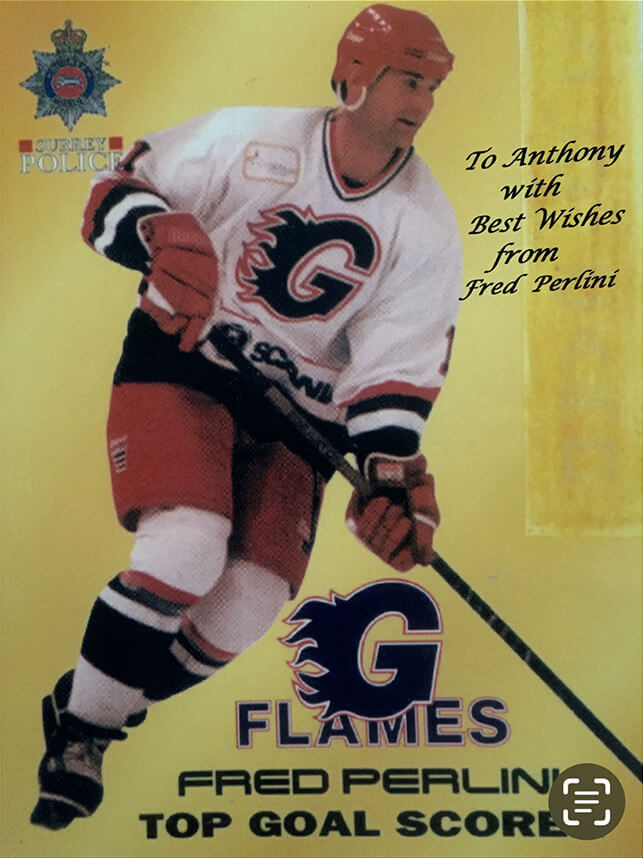
Playing in the UK changed my relationship with hockey. The bigger ice suited my game, but more importantly, I rediscovered joy. I played free again. I scored. I led. I stayed in the moment. Over ten seasons, I set records, won championships, and built a life. I retired at 35 in Guildford, Surrey. When the club retired my number, it was an honor that meant more to me than I ever expected.
From Player to Coach
When I transitioned into coaching, my perspective shifted completely. Teaching the game showed me how much responsibility comes with leadership. I oversaw the minor hockey program for the Guildford Flames, hiring and mentoring coaches and working with players from 10Us to 19Us. Coaching reinforced something I wish I understood earlier: the game is bigger than you, and learning never stops.
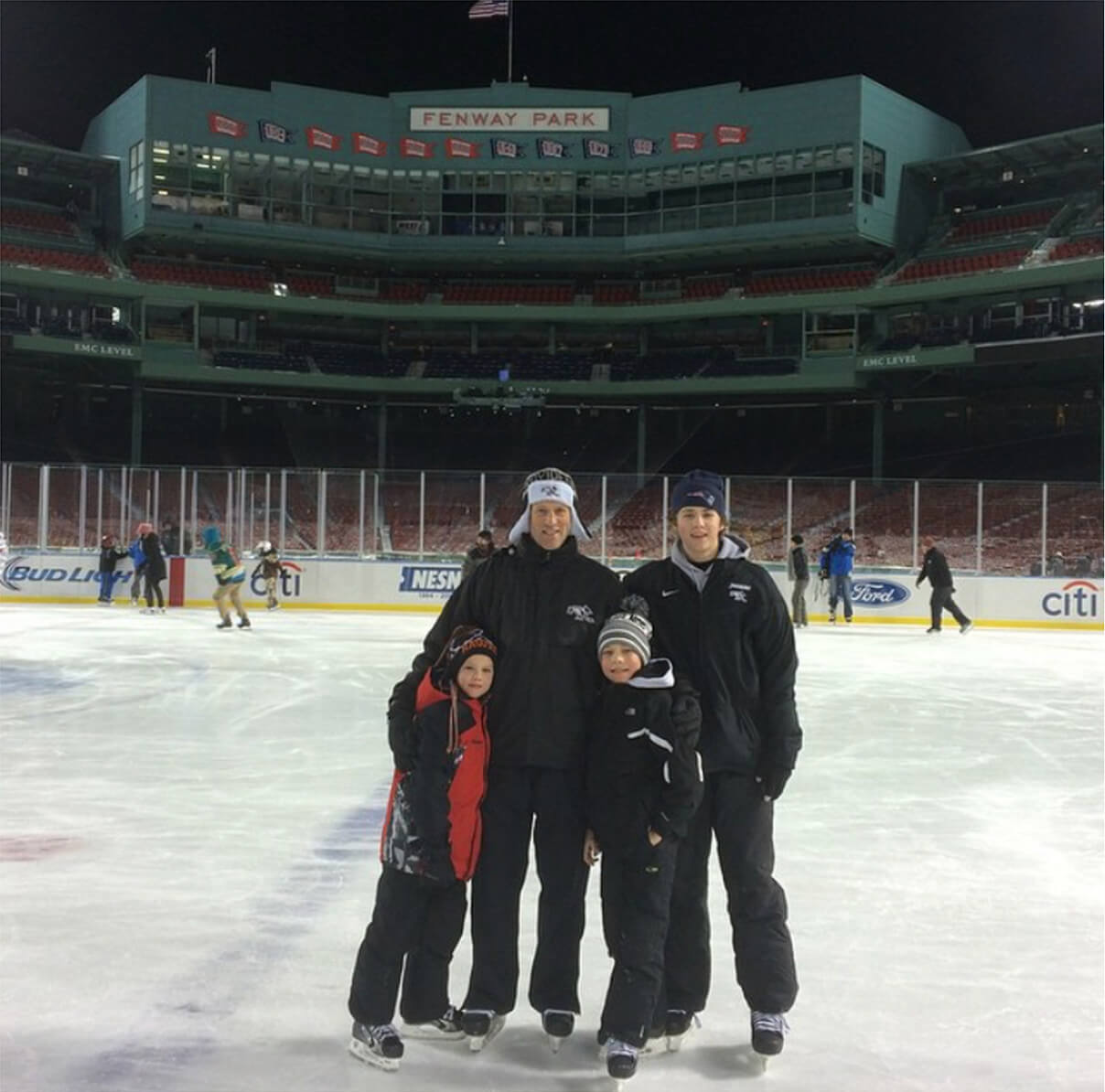
Both of my sons grew up in that program and were eventually drafted into the NHL. Watching them reach that level wasn’t about pride, it was about gratitude. Gratitude for the journey, the lessons, and the people along the way.