

“Was the government to prescribe to us our medicine and diet, our bodies would be in such keeping as our souls are now.” -Thomas Jefferson
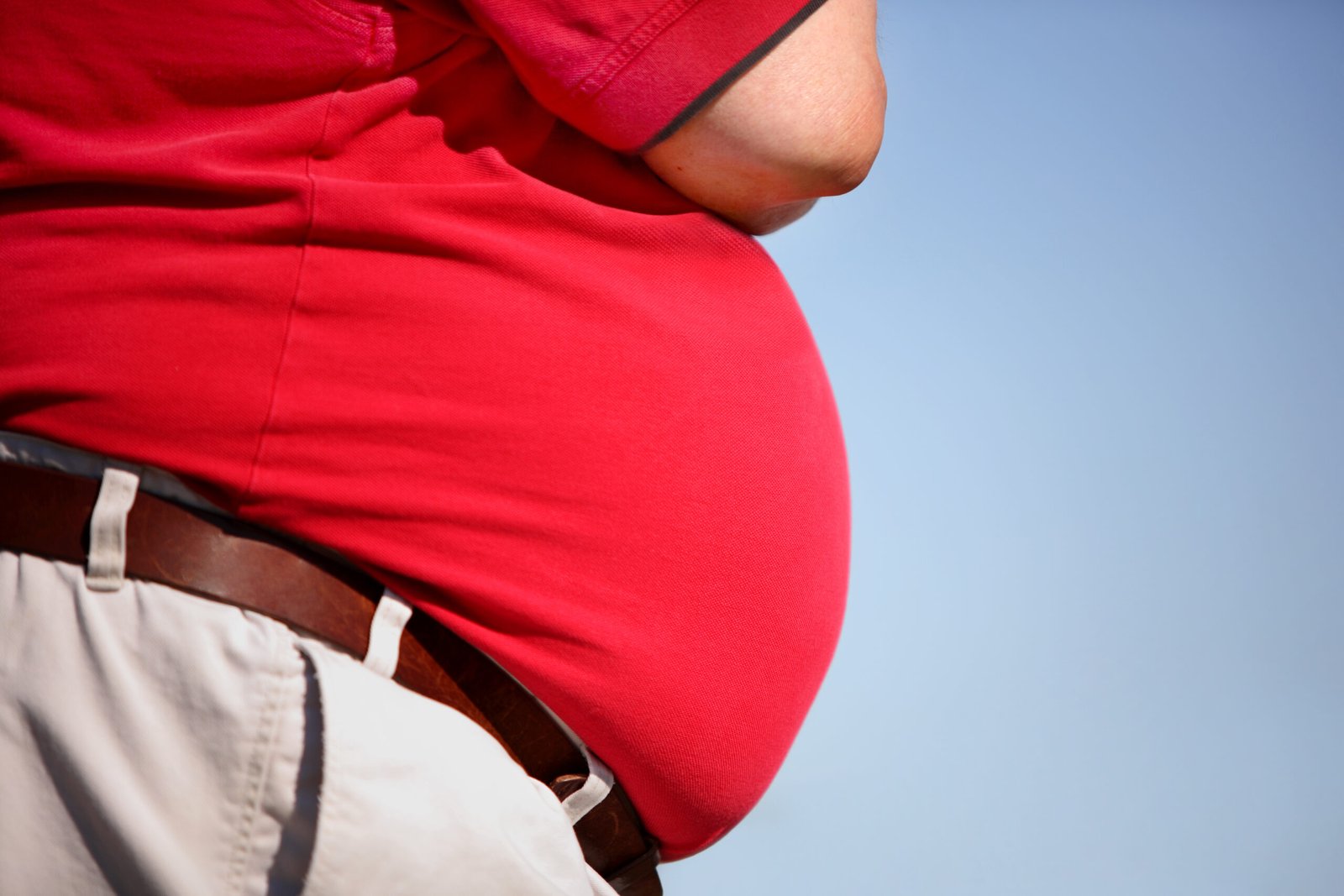
Let me introduce you to Sam. Sam has obesity, Type 2 diabetes, heart disease, and high blood pressure. His diet consists mostly of refined grains and trans fats. He’s got cabinets full of dirt-cheap junk food and sky-high healthcare costs to address its effects. He takes home $27,000 a year, but spends $36,000. He’s in debt up to his jaundiced eyeballs, and he wants his niece to foot the bill for weight-loss medication.
As a real-life niece of my Uncle Sam, I’m concerned about his diet. Some 56.2 percent of the daily calories consumed by US adults come from federally subsidized food commodities: corn, soybeans, wheat, rice, sorghum, dairy, and livestock. While these calorie-dense foods once made sense for a government preparing for famine or total war, in recent decades they’ve instead helped make us fatter and sicker.
Obesity is a top driver of healthcare costs. One study compared the health of people who eat mostly foods the federal government subsidizes to those who eat fewer. Those who follow the revealed preferences of what the government subsidizes (rather than the diet it consciously recommends) are almost 40 percent more likely to be obese and face significant diet-related health issues. Those with the highest consumption of federally subsidized foods also have significantly higher rates of belly fat, abnormal cholesterol, high levels of blood sugar, and more markers of chronic inflammation. All these are increasing contributors to the most common causes of death in the developed world.
The negative impact of subsidized crop consumption on health — while it can’t be called causal — persists even after controlling for age, sex, and socioeconomic factors. But life does not control for those factors.
The Great Grain Giveaway
The federal government recommends one diet to Americans, and subsidizes another. The Dietary Guidelines for Americans from the USDA and HHS promote eating fruits, vegetables, whole grains, protein, and moderate dairy, while limiting saturated fats, sugars, salt, and refined grains. According to data compiled for Meatonomics, American agribusiness receives about $38 billion annually in federal funding, with only 0.4 percent ($17 million) going to fruits and vegetables. Just three percent of cropland is devoted to fruits and vegetables, despite USDA guidelines’ insistence that they should cover half of your dinner plate. Just 10 percent of Americans consume the recommended amount of fresh produce, and the poor consume the least. (Fruit and vegetable producers’ exclusion from the federal direct payments program provides a valuable example of a food industry thriving without significant subsidies. They do, however, rely heavily on migrant labor to lower costs.)
Instead, the US spends tens of billions annually to subsidize seven major commodities. The three largest farm subsidy programs contribute 70 percent of funds to producers of just three crops — corn, soybeans, and wheat. Approximately 30-40 percent of US corn, over half of soybeans, and nearly all sorghum feed livestock, heavily discounting high-fat, lower-nutrition meat and dairy (especially compared to grass-fed options). The prevalence of grain-fed livestock generates demand for commodities used to feed them, completing the circle.
Subsidies also contribute to our consumption of refined grains, sugary drinks, and processed foods. About five percent of corn becomes artificially cheap high-fructose corn syrup (which allows it to compete with tariffed natural sugars), and half of soybeans are processed into oils, which also contribute to obesity.
My Uncle Sam is sick because he eats the food the government makes artificially more affordable. Those foods are poorer in quality and more harmful to health than their unsubsidized alternatives. We are paying to make ourselves sicker.
Diet-Related Health Issues Fuel Healthcare Costs
For more than 20 years, the FDA has known that trans fats and refined grains harm health, damage metabolism, and cause disease. Diet-related illnesses like obesity, Type 2 diabetes, and high blood pressure are increasing, while heart disease remains the leading cause of death. These epidemics are intertwined at the artery level, and both contribute hugely to rising US health care costs.
In an economic order awash with subsidies and regulation, agricultural policy is health policy. Government subsidies for agricultural products have shaped the current American nutritional environment, and they are exacerbating obesity trends.
An article in the American Journal of Preventive Medicine confirms: “Current agricultural policy remains largely uninformed by public health discourse.”
Johns Hopkins physician (and current Commissioner of the US Food and Drug Administration) Marty Makary called out the disconnect clearly. “Half of all federal spending is going to health care in its many hidden forms,” he told an interviewer in October, but Americans continue “getting sicker and sicker… Chronic diseases are on the rise. Cancers are on the rise. And we have the most medicated generation in human history.”
We’re getting more medicated every day — and more of it is at taxpayer expense.
A Better Answer Than Ozempic?
Government spending on healthcare now exceeds the entire discretionary budget. Excess weight is a significant risk for older Americans, who are also the most likely to both have high healthcare costs and to rely on government health care. Forty percent of Americans over 60 are classified as having obesity, which is a contributing or complicating factor in diseases that kill older Americans: cancers, heart disease, infection, stroke, and cirrhosis.
Late last year, the Food and Drug Administration approved the weight-loss drug Wegovy as a treatment for people at risk of heart attack or stroke. Medicare is forbidden by statute from covering prescription drugs for weight loss alone, but in 2021 regulators approved Wegovy for reducing weight-related risks in patients with diabetes. Medicare Part D plans spent $2.6 billion last year on related compound Ozempic to keep 500,000 patients with diabetes stable. Wegovy’s list price is around $1,300 per month, but that’s still small compared to the $1.4 trillion Americans spend on direct and indirect costs from obesity.
It has a certain economic logic. Instead of waiting for a patient to develop a cascade of expensive comorbidities like heart failure or diabetes, we could consider asking Medicare to pay for anti-obesity meds on the front end. That wouldn’t work as well as lifestyle changes, but all our health and activity messaging over the past several years doesn’t seem to have moved that needle, and significant evidence suggests our efforts are counterproductive.
The Tangled Web of Farm Subsidies
To understand the insanity of American agricultural and health policy, it’s hard to do better than comedian-illusionists Penn & Teller, who in characteristically salty style (really — you’ll want headphones and a sense of humor to watch the video) explained it this way 15 years ago:
High fructose corn syrup is a dirt-cheap way to add sweetener and extend shelf life. And why is it so cheap? Because we subsidize corn farmers! Our government gives about 10 billion of our tax dollars to corn farmers every year so they can produce more corn than we need. They then sell the corn at artificially low prices. They spend our money to make corn syrup cheap, and now the same government that uses our tax money to keep soft drinks cheap wants more of our tax money to make soft drinks more expensive. Does anyone else think this is incredibly f—d up?
Yes, Penn. We do. And since that clip aired, obesity rates have worsened 50 percent, and rose 78 percent in children. Medical spending on the consequences of obesity doubled. Over the same period, subsidies to corn growers (which includes disaster aid and insurance) have tripled.
Rather than cut back on his terrible diet, Uncle Sam wants us to pony up for weight loss drugs — to undo what our food policy has done.
