

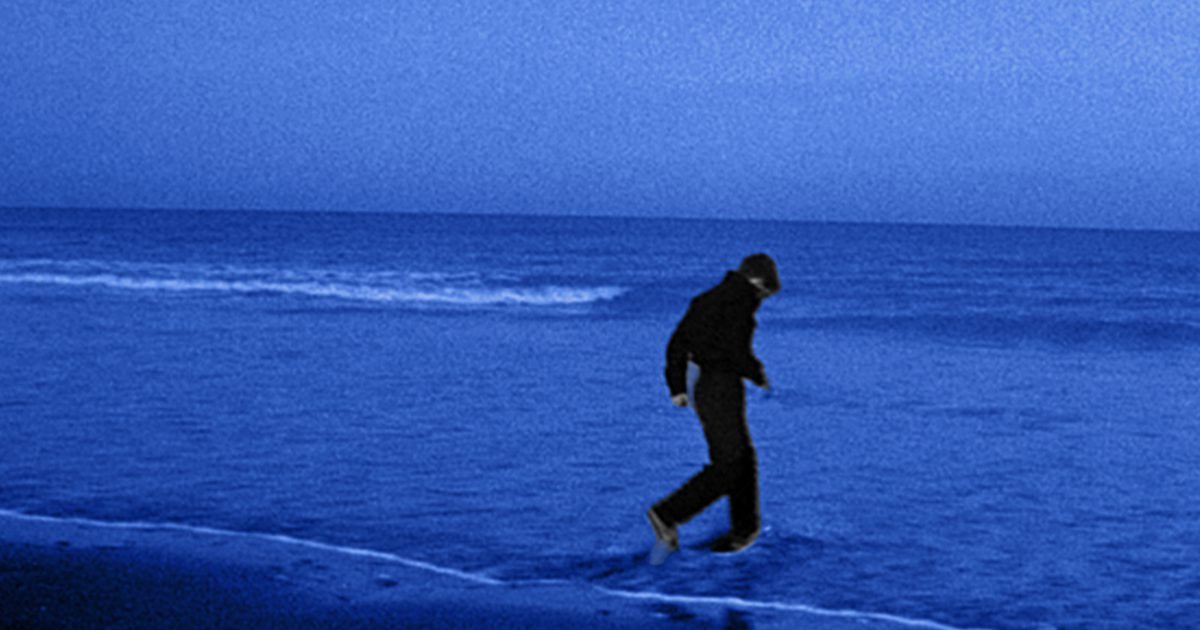
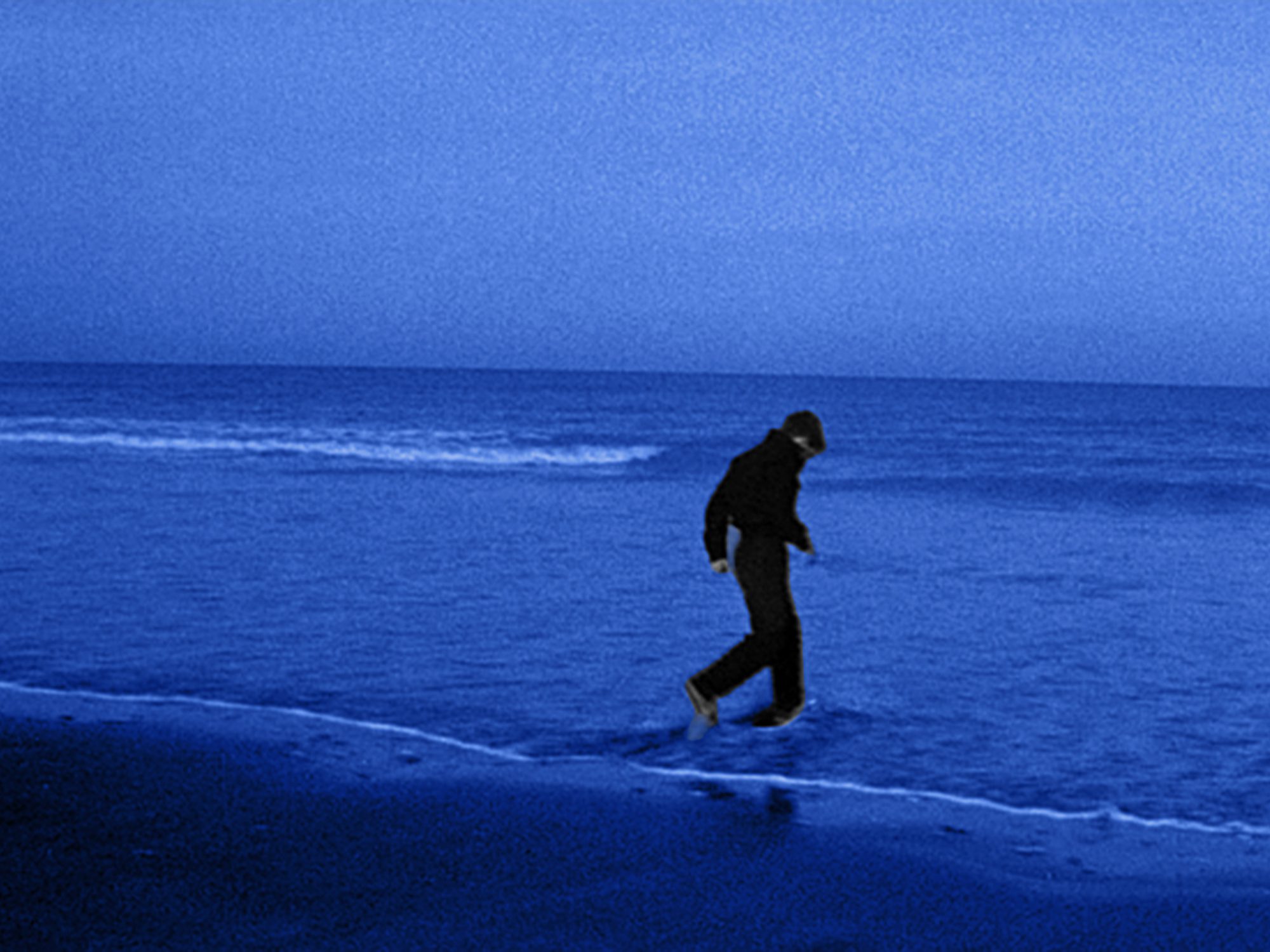
On screen, the alienation of these small leads is the root of this moral challenge, and Theodoros Angelopoulos’ Landscape in The Mist visualises this with brutal grit. His film follows 11-year-old Voula and her five-year-old brother Alexandros as they run away from their mother in Greece, trying to reach an absent and unknown father they believe is in Germany. Hopping trains, walking desolate highways, accepting rides, in their vulnerability they encounter both kindness and brutal violence. Here is not the Greece of Homer; far removed in time and place, Angelopoulos explores a mainland where romantic notions of past glory feel very distant. His is a Greece alternately desolate, cold, industrial, and muddy, the edges and backroads of a society in decline.
And yet, it still strikes me as a poetic world. Shots unfold like Homeric similes – long, extended takes unpacking layers of meaning. For Deleuze, “the frightened child faced with danger cannot run away, but the world sets about running away for him and takes him with it”. Action often seems to happen around the children, bound tightly together in a fiction erected as a barrier to the ‘real’ of the adult world. More than once we encounter grown-ups seemingly frozen, as Voula and Alexandros run through their statue-like stillness undisturbed.
But there is not only misery and impotence in little Odysseys. Wim Wenders makes plain, in his lyrical 1974 work Alice in the Cities, how the world unfolds for a child when an adult centres them. The film lightly sends young Alice across great distances when she accidentally lands in the care of Philip, a stranger, ultimately searching for her grandmother across the Netherlands and Germany. Like Mina, Alice is lost; asked where her grandmother lives, she admits: “l don’t know exactly, but l’ll find it when we get there”. Kiarostami compared children to “sages we read about in books,” and Philip quickly grants Alice a kind of mystical authority over their travels. Her caprices and whims lead them through foggy but recollections of place and memory. And although Alice seems hesitant to complete her journey, where an arrival would mean confrontation with her mother’s neglect, the world seems largely friendly.
These filmmakers resist the temptation to ‘get on the level’ of the child. Framed against their settings, space and scale render their quandaries grand. Alice in the Cities closes with Alice and Philip on a train, as Wenders pulls out from a close-up into an aerial view, positioning them both as determinedly fixed objects against a world making way for them.
The fact that we have seen fewer films in this vein in recent years is perhaps reflective of the ways that societies have made space for children away from the margins, and how the perspective of filmmakers has shifted. Works like Mike Mills’ C’mon C’mon may share sensibilities with Alice in the Cities, but Joaquin Phoenix centres his nephew in a way that feels natural to the world of the film. Likewise, while films like Sophy Romvari’s Blue Heron or Annie Baker’s Janet Planet reckon with the shape of adult spaces, they are more focused on the intimacy of family and community dynamics. But across these earlier films, the child’s Odyssey becomes a means of measuring the specific world that bounds them. Their movement through the margins of adult spaces exposes their moral shape, monstrous or kind, and pushes at the walls of the world outside the screen.
