

Are you prepared for the rapidly evolving job market of 2026? With more than two-thirds of workers expressing openness to new opportunities and a staggering 68% of this year’s rising jobs not even existing two decades ago, it’s clear that the landscape is shifting at an unprecedented pace. In this article, we’ll delve into the dynamic employment trends shaping the year ahead, exploring emerging industries ripe with opportunity and the challenges faced by others. From the impact of AI and automation to the ever-changing skill sets demanded by employers, we’ll uncover the top job categories poised for growth and highlight the skills essential for success in this fast-paced environment.
Employment Trends and Statistics
Factors Driving Job Trends
In 2026, several key factors propel shifts in the job market landscape. Technology remains a primary driver, revolutionizing industries and reshaping job roles. Demographic changes, including an aging workforce and increasing diversity, influence job trends. Moreover, sustainability concerns drive demand for environmentally conscious practices, leading to new job opportunities.
Emerging Industries with High Demand for Talent
Certain industries are experiencing a surge in demand for skilled professionals in 2026. Technology continues to dominate, with sectors such as artificial intelligence, cybersecurity, and data analytics witnessing rapid growth. Additionally, healthcare, renewable energy, and e-commerce are among the industries showing high demand for talent due to evolving consumer preferences and global trends.
Industries Facing Challenges and Layoffs
Despite the overall growth in certain sectors, others are grappling with challenges and layoffs. The tech industry, in particular, has seen significant layoffs, reflecting shifts in market dynamics and the impact of automation. However, industries such as retail and hospitality are also facing challenges due to changing consumer behavior and economic uncertainties. As automation and artificial intelligence continue to disrupt traditional job roles, workers across various industries may need to adapt to remain competitive in the evolving job market landscape.
Industries with Growth Potential in 2026
Healthcare
The healthcare industry continues to experience sustained growth due to several factors. Firstly, demographic shifts, such as an aging population, increase the demand for healthcare services and professionals. Additionally, advancements in medical technology and treatments drive the need for specialized roles, such as nurses, physicians, and medical technicians. Furthermore, the ongoing focus on public health, particularly in the wake of global events, underscores the importance of bolstering healthcare infrastructure and personnel.
Technology
Technology remains a thriving industry with immense growth potential in 2026. The relentless pace of technological innovation fuels the demand for skilled professionals across various domains, including software development, cybersecurity, and artificial intelligence. As businesses increasingly embrace digital transformation, the need for tech-savvy individuals adept at navigating complex systems and harnessing data for strategic decision-making continues to rise. Moreover, emerging technologies such as blockchain and quantum computing present new opportunities for innovation and disruption.
Sustainability
With mounting concerns about climate change and environmental degradation, sustainability has become a focal point for industries worldwide. This heightened awareness has sparked a surge in demand for sustainability professionals who can help organizations reduce their carbon footprint, implement eco-friendly practices, and achieve regulatory compliance. From renewable energy initiatives to waste management solutions, there is a growing need for individuals skilled in sustainable development, environmental science, and corporate sustainability strategy. As businesses prioritize sustainability goals, job opportunities in this field are expected to flourish in 2026 and beyond.
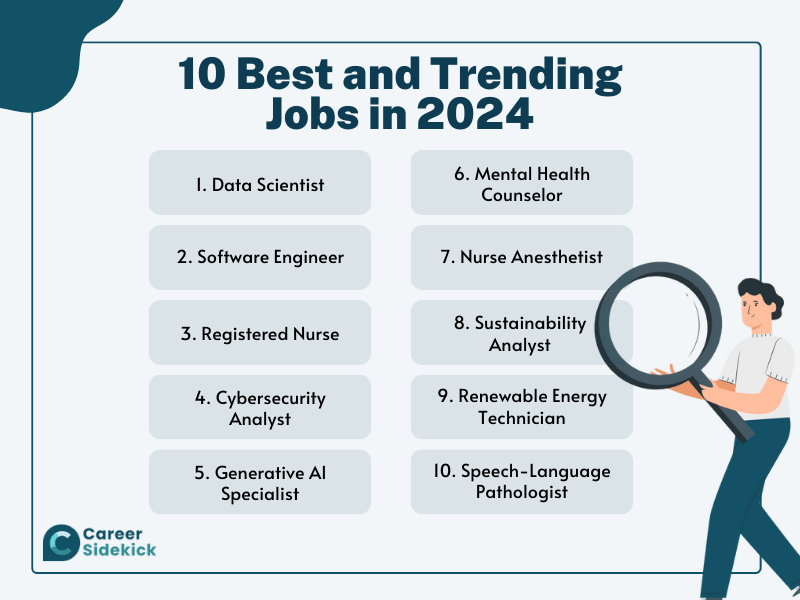
In crafting our list of the top jobs in 2026, we conducted a thorough analysis of various factors, including job outlook, salary benchmarks, perks and benefits, and opportunities for career growth. Each job was carefully evaluated against these criteria to provide a holistic view of its potential for success and fulfillment in the current employment landscape.
1. Data Scientist
The increasing reliance on data-driven decision-making across industries drives demand for skilled data scientists. Additionally, the rise of big data and machine learning technologies continues to fuel growth in this field.
- Responsibilities: Analyzing complex data sets, developing statistical models, and providing insights to inform strategic decision-making.
- Required Skills and Qualifications: Proficiency in programming languages like Python or R, expertise in data analysis and visualization tools, and strong mathematical and statistical aptitude.
- Projected Salary Range and Job Outlook: Median annual wage of USD 103,500 per year. Job outlook: 35% growth from 2022 to 2032 (Bureau of Labor Statistics).
- Suitable For: Analytical individuals with a passion for problem-solving and a knack for uncovering patterns and insights within data.
2. Software Engineer
The rapid pace of technological innovation and the growing demand for digital solutions drive the need for skilled software engineers. Additionally, remote work options have become increasingly prevalent in this field.
- Responsibilities: Designing, developing, and maintaining software applications or systems to meet user needs and business requirements.
- Required Skills and Qualifications: Proficiency in programming languages such as Java, C++, or JavaScript, familiarity with software development methodologies, and strong problem-solving abilities.
- Projected Salary Range and Job Outlook: Median annual wage of USD 127,260 per year. Job outlook: 25% growth from 2022 to 2032 (Bureau of Labor Statistics).
- Suitable For: Creative individuals with a passion for coding and a desire to create innovative solutions to complex problems.
3. Registered Nurse
The aging population and increasing healthcare needs drive demand for registered nurses. Additionally, the pandemic has highlighted the critical role of nurses in healthcare delivery.
- Responsibilities: Providing patient care, administering medications, collaborating with healthcare teams, and educating patients about their health conditions.
- Required Skills and Qualifications: Nursing degree from an accredited program, state licensure, strong communication and interpersonal skills, compassion, and empathy.
- Projected Salary Range and Job Outlook: Median annual wage of USD 81,220 per year. Job outlook: 6% growth from 2022 to 2032 (Bureau of Labor Statistics).
- Suitable For: Compassionate individuals with a strong sense of empathy and a desire to make a positive impact on others’ lives.
4. Cybersecurity Analyst
With the increasing threat of cyberattacks, there’s a growing need for professionals to protect organizations’ systems. This job is among the most high-demand IT roles, potentially leading to high-paying opportunities.
- Responsibilities: Installing and operating security software, monitoring threats, writing incident reports, conducting risk assessments, and staying updated on IT trends.
- Required Skills and Qualifications: Knowledge of firewalls, encryption programs, and security protocols, along with strong analytical and problem-solving skills.
- Projected Salary Range and Job Outlook: The median annual wage for information security analysts was approximately USD 112,000 per year as of May 2022. The job outlook is exceptionally positive, with a projected growth rate of 32% from 2022 to 2032, much faster than the average for all occupations. This growth is driven by the increasing frequency of cyberattacks and the ongoing need to create innovative solutions to prevent them (Bureau of Labor Statistics).
- Suitable For: Individuals with a keen interest in technology and cybersecurity, who are detail-oriented and enjoy problem-solving in a high-stakes environment.
5. Generative AI Specialist
The generative AI field is rapidly expanding, with applications ranging from content creation to complex problem-solving across industries. This growth is set to continue, making it a highly promising career path.
- Responsibilities: Developing and managing AI-driven projects, creating content with AI, and integrating AI technologies into business solutions.
- Required Skills and Qualifications: Strong background in programming, machine learning, and data analysis, with expertise in AI development platforms.
- Projected Salary Range and Job Outlook: While specific salary data for Generative AI Specialists is not readily available due to the novelty of the role, related positions in AI and machine learning offer competitive salaries often ranging from USD 122,000 to over USD 199,000 per year, depending on experience and location. The job outlook for AI specialists is exceptionally bright. LinkedIn estimates the Global Generative AI job market to grow at 18.9% from 2023 to 2032. This growth trajectory is expected as businesses and organizations continue to invest in AI research and development.
- Suitable For: Creative and innovative thinkers with a strong technical background, interested in leading the edge of technological advancements and exploring new applications of AI.
6. Mental Health Counselor
As society becomes increasingly aware of mental health issues and more accepting of seeking mental health services, the demand for skilled mental health counselors is on the rise. This demand is propelled by a global increase in mental health disorders, such as anxiety, depression, and stress-related conditions, underscoring the need for more accessible and diverse mental health services.
- Responsibilities: Mental Health Counselors are tasked with providing psychological support and counseling to individuals or groups, assessing mental health needs, developing tailored treatment plans, and collaborating with other healthcare professionals to ensure comprehensive care.
- Required Skills and Qualifications: To become a Mental Health Counselor, a master’s degree in psychology, social work, counseling, or a related field is typically required. State licensing is a must, which generally includes passing a state-recognized examination. Key skills for this role include empathy, effective communication, and problem-solving abilities. Additionally, maintaining confidentiality and building trust with clients are paramount.
- Projected Salary Range and Job Outlook: The salary of a Mental Health Counselor can vary significantly depending on the location. As of May 2022, the median annual wage was approximately USD 49,710. However, salaries can range widely, from a median of around USD 36,080 in Louisiana to a median of USD 63,900 in Alaska annually, depending on factors such as geographical location, experience, and the type of employer. The job outlook for Mental Health Counselors is highly positive, with a projected growth rate of 18% from 2022 to 2032, according to the Bureau of Labor Statistics. This growth is much faster than the average for all occupations, reflecting the increasing demand for mental health services across various settings.
- Suitable For: This role is ideal for individuals who have a deep understanding of human behavior, a passion for helping others, and the resilience to handle emotional stress. Mental Health Counselors should be committed to continuous learning and adapting to new therapeutic techniques and approaches to meet the evolving needs of their clients.
7. Nurse Anesthetist
Nurse Anesthetists are vital professionals in the healthcare system, providing crucial anesthesia care to patients undergoing surgeries and other medical procedures, ensuring their comfort and safety. The demand for Nurse Anesthetists is surging due to the expanding need for surgical procedures, advancements in anesthesia practices, and an aging population requiring increased medical services.
- Responsibilities: Nurse Anesthetists are responsible for administering anesthesia, monitoring patients’ vital signs during procedures, formulating anesthesia care plans, managing post-surgery pain, and overseeing patient recovery from anesthesia. They also play an essential role in critical care and pain management beyond the operating room environment.
- Required Skills and Qualifications: Becoming a Nurse Anesthetist requires a Bachelor of Science in Nursing (BSN), followed by a minimum of one year of acute care experience in a high-intensity setting, such as an ICU or ER. Candidates must then complete a graduate-level nurse anesthesia program, which typically takes 2-3 years. Upon completion, passing the National Certification Examination is required to practice. Skills critical for success include meticulous attention to detail, the ability to make swift decisions under pressure, and superior communication abilities to collaborate with healthcare teams and reassure patients.
- Projected Salary Range and Job Outlook: Nurse Anesthetists are among the highest-paid nursing roles, with salaries varying widely based on geographic location, experience, and the type of healthcare facility. According to the Bureau of Labor Statistics, the job outlook for Nurse Anesthetists is exceptionally positive, with a projected growth rate of 38% from 2022 to 2032, significantly faster than the average for all occupations. This growth underscores the increasing demand for their specialized skills in a variety of medical settings.
- Suitable For: This role is ideal for individuals with a robust foundation in nursing, a high level of precision, and the ability to stay calm and focused in stressful situations. Nurse Anesthetists need to be empathetic towards patients undergoing surgery and possess the stamina to work long, often irregular hours that the medical field demands.
8. Sustainability Analyst
The role of a Sustainability Analyst is becoming increasingly crucial as businesses and organizations seek to reduce their environmental footprint and align with global sustainability goals. The push towards sustainability is driven by consumer demand, regulatory requirements, and a growing awareness of the environmental impacts of business operations.
- Responsibilities: Conducting research and analysis on environmental policies, sustainability practices, and compliance requirements. Sustainability Analysts evaluate the environmental impact of an organization’s activities, develop strategies to reduce that impact, and report on progress towards sustainability goals. They may also be involved in implementing sustainability initiatives and projects.
- Required Skills and Qualifications: A bachelor’s degree in environmental science, sustainability, business, or a related field is typically required. Key skills include analytical thinking, proficiency in data analysis and reporting tools, strong communication abilities, and a solid understanding of sustainability standards and environmental regulations.
- Projected Salary Range and Job Outlook: While specific salary data for Sustainability Analysts may vary, positions in environmental science and sustainability fields tend to have a median annual wage of around USD 76,480 per year. The job outlook is positive, with a projected growth rate of 6% from 2022 to 2032, which is about as fast as the average for all occupations. This growth is partly due to an increasing emphasis on environmental management and sustainable practices across industries (Bureau of Labor Statistics).
- Suitable For: Individuals passionate about the environment and sustainability, who possess strong analytical skills and the ability to translate complex data into actionable insights. Sustainability Analysts should be innovative thinkers, capable of developing and implementing strategies that balance economic viability with environmental stewardship.
9. Renewable Energy Technician
Renewable Energy Technicians are at the forefront of the transition to sustainable energy, playing a critical role in installing, maintaining, and repairing renewable energy systems, including wind turbines and solar photovoltaic (PV) panels. The shift towards renewable energy sources, driven by environmental concerns and policy support, has led to a significant increase in demand for skilled technicians in this field.
- Responsibilities: Renewable Energy Technicians are involved in a variety of tasks, from the installation of solar panels and wind turbines to regular maintenance and troubleshooting to ensure optimal performance. They also conduct site assessments to determine the best placement for renewable energy equipment and are responsible for adhering to safety and compliance standards.
- Required Skills and Qualifications: This profession typically requires a high school diploma as a minimum, with many technicians holding postsecondary non-degree awards or associate degrees in renewable energy technology. On-the-job training is common, and certifications, while not mandatory, can enhance job prospects. Essential skills include mechanical aptitude, physical fitness, and problem-solving abilities. Technicians must also be comfortable working at heights and in various weather conditions.
- Projected Salary Range and Job Outlook: The job outlook for Renewable Energy Technicians is exceptionally positive. For example, wind turbine technicians have a projected growth rate of 45% from 2022 to 2032, and solar photovoltaic installers have a projected growth rate of 22% over the same period, much faster than the average for all occupations. While specific salary ranges can vary, the median annual wage for wind turbine technicians was USD 57,320, and for solar photovoltaic installers, it was approximately USD 45,230 in May 2022.
- Suitable For: This role is ideal for individuals passionate about contributing to the growth of renewable energy and addressing climate change. It requires a blend of technical skills, a commitment to safety, and the adaptability to work in various environments. Renewable Energy Technicians play a pivotal role in the clean energy economy, ensuring the reliable and efficient operation of systems that generate sustainable power.
10. Speech-Language Pathologist
Speech-Language Pathologists, also known as speech therapists, specialize in diagnosing and treating communication and swallowing disorders in patients of all ages. The demand for Speech-Language Pathologists is increasing due to a growing awareness of speech and language disorders in children and an aging population experiencing conditions that affect speech and swallowing.
- Responsibilities: Speech-language pathologists assess, diagnose, and treat individuals with speech, language, voice, and fluency disorders. They develop personalized treatment plans to address patients’ specific needs, work closely with family members to implement home strategies and collaborate with educators and healthcare providers to ensure comprehensive care.
- Required Skills and Qualifications: A master’s degree in speech-language pathology is required, along with state licensure or certification, which typically involves passing a national examination. Clinical experience obtained through a supervised clinical fellowship is also necessary. Essential skills include strong analytical abilities, patience, compassion, and excellent communication skills to interact effectively with patients and their families.
- Projected Salary Range and Job Outlook: The job outlook for Speech-Language Pathologists is very positive, with a projected growth rate of 19% from 2022 to 2032, much faster than the average for all occupations. This growth reflects the increasing need for speech therapy services across various settings, including schools, healthcare institutions, and private practice. The median annual wage for Speech-Language Pathologists was approximately USD 84,140 in May 2022. (Bureau of Labor Statistics)
- Suitable For: Individuals who have a keen interest in language and communication, and a desire to help people overcome obstacles to speaking and swallowing. This career requires ongoing education and adaptation to new treatment methodologies. Speech-language pathologists must be empathetic, detail-oriented, and capable of working in a multidisciplinary team to improve the quality of life for their patients.
In Demand Skills and Qualifications in 2026
In today’s rapidly evolving job market, staying ahead requires a diverse skill set that encompasses both technical expertise and soft skills essential for effective collaboration and adaptability. Soft skills are highly transferable and essential for navigating remote work environments and fostering strong team dynamics. According to a study by LinkedIn, 92% of talent professionals believe that soft skills are just as important, if not more important, than hard skills.
In Demand Technical Skills
- Data Analysis and Interpretation: With the proliferation of data across industries, proficiency in data analysis tools and techniques, such as SQL, Python, and Tableau, is increasingly valuable for deriving actionable insights and informing decision-making.
- Coding and Programming: As technology continues to drive innovation, proficiency in coding languages like Python, Java, and JavaScript remains in high demand, particularly for roles in software development, web development, and artificial intelligence.
- Cybersecurity: With the rising threat of cyber-attacks and data breaches, organizations are prioritizing cybersecurity measures. Skills in network security, threat detection, and ethical hacking are essential for protecting sensitive information and ensuring the integrity of digital assets.
Sought-after Soft Skills
- Communication: Effective communication skills, including verbal and written communication, active listening, and clarity in conveying ideas, are crucial for fostering collaboration, resolving conflicts, and building rapport with colleagues and clients.
- Adaptability and Resilience: The ability to adapt to change, navigate uncertainty, and bounce back from setbacks is essential in today’s dynamic work environment, where rapid technological advancements and market shifts are the norm.
- Critical Thinking and Problem-Solving: Strong critical thinking skills enable individuals to analyze complex issues, evaluate information objectively, and devise innovative solutions to challenges, contributing to organizational success and competitiveness.
Emerging Skill Sets in the 2026 Job Market
In addition to traditional technical and soft skills, several emerging skill sets are gaining prominence in the job market of 2026, reflecting shifting industry trends and technological advancements.
These include:
- Artificial Intelligence and Machine Learning: As AI technologies continue to evolve, skills in machine learning algorithms, natural language processing, and neural networks are increasingly sought after for roles in data science, robotics, and automation.
- Blockchain and Cryptocurrency: With the growing adoption of blockchain technology and cryptocurrencies, expertise in decentralized systems, smart contracts, and blockchain development is becoming valuable for roles in fintech, supply chain management, and digital asset management.
- Emotional Intelligence and Cultural Competency: As workplaces become more diverse and globalized, skills in emotional intelligence, cultural sensitivity, and cross-cultural communication are essential for building inclusive and cohesive teams and fostering a positive work culture.
As we traverse the ever-changing terrain of the job market in 2026, one thing remains abundantly clear: adaptability and continuous skill development are the keys to success. In a landscape shaped by technological advancements, demographic shifts, and global challenges, the ability to adapt to change and embrace new opportunities is paramount.
While the job market may present its share of uncertainties and challenges, it also offers abundant possibilities for growth and fulfillment for those willing to seize them. By investing in both technical expertise and soft skills, you can position yourself as a valuable asset, equipped to tackle the demands of the future with confidence and resilience.
As we journey forward, let us remember that learning is a lifelong endeavor, and success often lies in our willingness to embrace change, cultivate new skills, and adapt to emerging trends. By remaining proactive, curious, and open-minded, we can navigate the evolving job market of 2024 with clarity, purpose, and optimism.
