

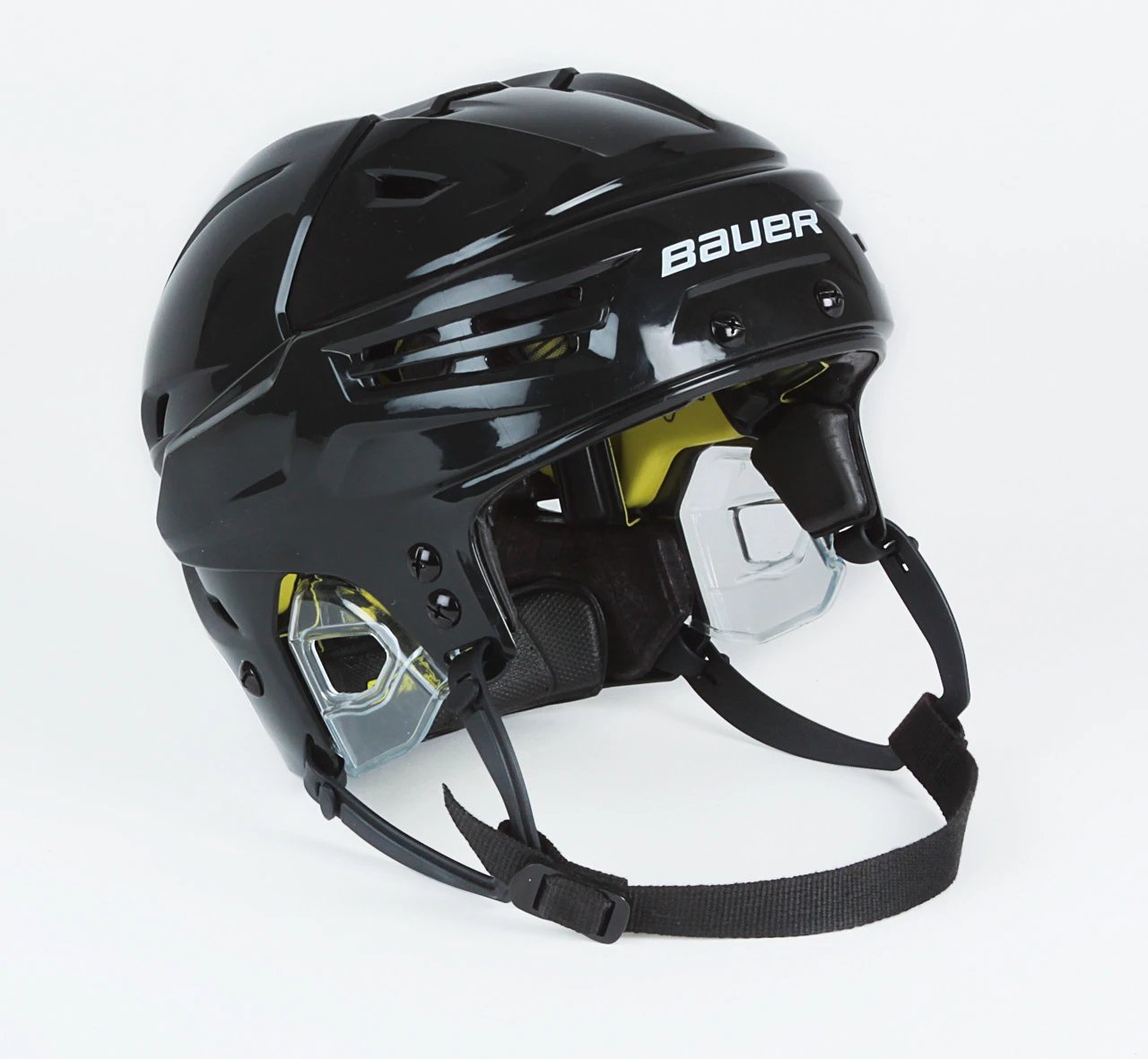
 How long do hockey helmets last? Hockey helmets with Hockey Equipment Certification Council (HECC) certification have an expiration date 6.5 years after manufacture. However, that doesn’t mean every helmet will remain safe to wear for that long. Damage, worn padding, and changes in fit can make replacement necessary much sooner.
Whether you’re playing in a recreational league, gearing up for another competitive season, or shopping for new equipment, knowing when to replace a hockey helmet is an important part of staying protected on the ice.
Here’s what you should know about helmet expiration dates, certification requirements, and signs that it’s time for an upgrade.
Do Hockey Helmets Expire? Understanding HECC Certification
Yes, hockey helmets with HECC certification have expiration dates. In the United States, HECC hockey helmet certification indicates that a helmet model meets applicable equipment testing standards. Certified helmets carry an HECC sticker displaying an expiration date.
HECC certification expires 6.5 years after the helmet’s manufacturing date, regardless of when you purchased it. You can typically find the expiration sticker on the back of the helmet. Check the manufacturer’s markings inside the shell for additional information about when it was made.
Canadian Standards Association (CSA) certification works differently. CSA-certified hockey helmets don’t have a universal certification expiration date. However, players should still follow manufacturer recommendations and regularly inspect their equipment for deterioration.
Remember that certification doesn’t guarantee protection against concussions or other head injuries. Proper fit and helmet condition remain essential.
What If Your HECC Sticker Is Missing or Expired?
An expired HECC sticker means the helmet is no longer HECC-certified. Depending on your league’s rules, this may make it ineligible for organized play.
If the sticker is missing, damaged, or unreadable, don’t assume the helmet is acceptable simply because it looks new. HECC doesn’t issue replacement certification stickers, and a manufacturer’s date marking doesn’t replace the required label.
Before wearing the helmet in a game, check your league’s equipment requirements. Youth leagues and adult recreational organizations may follow different certification policies.
If you can’t verify the required certification, replacing the helmet is generally the safest practical choice.
When Should You Replace a Hockey Helmet?
Knowing when to replace a hockey helmet involves more than checking its age. Even a relatively new helmet may need replacing after damage or excessive wear.
Inspect your helmet regularly, including before the season and throughout periods of frequent play.
Watch for these warning signs:
- Cracked or deformed shell: Visible cracks, dents, or changes in the helmet’s shape may compromise protection.
- Damaged padding: Foam that’s crumbling, separating, permanently compressed, or unusually hard may no longer perform as intended.
- Loose or missing hardware: Check screws, adjustment mechanisms, chin straps, and buckles for damage.
- Poor fit: A helmet that shifts excessively or no longer sits securely may not provide its intended protection.
- Significant impact damage: A hard collision with the boards, ice, or another player warrants careful inspection.
Should you replace a hockey helmet after a concussion or hard hit? Stop using it until you’ve checked for damage and reviewed the manufacturer’s instructions. Replace it if damage is present or the manufacturer requires replacement after that type of impact. A suspected concussion also requires medical evaluation before returning to play.
How Does Helmet Fit Affect Safety?
A properly fitted helmet should sit level on your head, with the front edge approximately one finger-width above your eyebrows. It should feel snug without creating uncomfortable pressure points.
Try moving your head from side to side. If the helmet slides around independently, it may be too large or improperly adjusted.
Fit is especially important for growing youth players. A helmet that fit perfectly last season might no longer accommodate changes in head size or shape.
Different manufacturers and models can also fit differently. Before purchasing a replacement, measure your head circumference and consult the manufacturer’s sizing chart.
For additional guidance, check out our hockey helmet sizing guide.
Cages, Visors, and Full Shields: What Matters?
Helmet protection also depends on the face protection you’re wearing. Full cages, visors, and clear full-face shields offer different levels of coverage.
A full cage protects the face while allowing airflow and visibility through its metal bars. Clear full-face shields provide broad coverage but may require additional cleaning to manage fogging.
Visors primarily protect the eyes and upper face, leaving the mouth and lower face exposed. They’re common in adult hockey, but many youth leagues require certified full-face protection.
Always verify your league’s rules and confirm that your cage or shield is compatible with your helmet. Face protectors may have their own certification requirements, and damaged components should be replaced.
Should You Buy a Used or Pro-Stock Hockey Helmet?
Buying used hockey equipment can save money, but helmets deserve extra caution. A secondhand helmet may have experienced impacts that aren’t immediately visible, making its protective condition difficult to verify.
Unused pro-stock equipment offers a different option. Pro Stock Hockey sources unused equipment originally manufactured for professional and college hockey teams, giving amateur players access to gear designed for high-level competition.
However, pro-stock status doesn’t automatically establish a helmet’s certification or remaining usable lifespan. Always check the manufacturing date, certification labels, condition, and fit before purchasing.
Even a new-in-box helmet may have spent years in storage. Confirming its age helps you avoid purchasing equipment with limited certification time remaining.
How Can You Make a Hockey Helmet Last Longer?
Good maintenance can help preserve your helmet’s condition, although it won’t extend its HECC certification period.
After each game or practice, wipe away sweat and moisture. Allow the helmet to air-dry completely before storing it in your equipment bag. Avoid leaving it in a hot car or exposing it to prolonged direct sunlight.
Use cleaning products approved by the manufacturer, since harsh chemicals may damage helmet materials.
Check the shell, padding, straps, and hardware at least monthly during the season. Before your first game each year, verify the certification sticker and confirm that the helmet still fits correctly.
Taking a picture of the certification label can also make it easier to track its expiration date.
Frequently Asked Questions About Hockey Helmets
Is a 10-year-old hockey helmet still good?
A 10-year-old helmet is beyond the HECC certification period and shouldn’t be used where current HECC certification is required. Regardless of league rules, its age makes replacement a sensible choice because materials may have deteriorated.
Do hockey helmets expire after five years?
Not necessarily. HECC certification expires 6.5 years after manufacture. Some manufacturers may recommend different replacement intervals based on age, use, and condition.
How long is a Bauer hockey helmet good for?
Bauer helmets carrying HECC certification follow the same 6.5-year certification period. Actual usable lifespan depends on the helmet’s condition, fit, and manufacturer instructions.
How expensive are hockey helmets?
Prices vary based on manufacturer, model, fit system, and protective features. When comparing options, consider proper fit, certification, and independent testing information such as Virginia Tech’s hockey helmet STAR ratings rather than price alone.
Find Your Next Hockey Helmet at Pro Stock Hockey
Knowing how long hockey helmets last helps you recognize when it’s time for replacement. Check certification dates, inspect your equipment regularly, and never ignore damage or poor fit.
Ready for an upgrade? Explore the selection of hockey helmets at Pro Stock Hockey. You can also browse our hockey equipment to get ready for your next season on the ice.
