Close Menu
KumbhCoinorg
    What's Hot

    A Forgotten Founder Who Warned Against Cronyism

    July 3, 2026

    Thangamayil: Yes Prime Minister

    July 3, 2026

    Hayley Matthews opens up on her future after West Indies’ exit from Women’s T20 World Cup 2026

    July 3, 2026
    Facebook X (Twitter) Instagram
    Trending
    • A Forgotten Founder Who Warned Against Cronyism
    • Thangamayil: Yes Prime Minister
    • Hayley Matthews opens up on her future after West Indies’ exit from Women’s T20 World Cup 2026
    • World Cup report, result and goals as Ronaldo helps Selecao survive late scare to set up Spain showdown
    • Darnell Nurse Expanding His List Helped Facilitate a Trade
    • Artificial intelligence: Yann LeCun works on more flexible AI
    • Bitcoin Exchange Flows Point To More Volatility: Report
    • Taylor Swift and Travis Kelce ‘already married’ in secret ceremony, ahead of grand Madison Square Garden celebration: Reports |
    Facebook X (Twitter) Instagram
    KumbhCoinorg
    Friday, July 3
    • Home
    • Crypto News
      • Bitcoin & Altcoins
      • Blockchain Trends
      • Forex News
    • Kumbh Mela
    • Entertainment
      • Celebrity Gossip
      • Movie & TV Reviews
      • Music Industry News
    • Market News
      • Global Economy Insights
      • Real Estate Trends
      • Stock Market Updates
    • Education
      • Career Development
      • Online Learning
      • Study Tips
    • Airdrop News
      • Ico News
    • Sports
      • Cricket
      • Football
      • hockey
    KumbhCoinorg
    Home»Market News»Global Economy Insights»A Forgotten Founder Who Warned Against Cronyism
    Global Economy Insights

    A Forgotten Founder Who Warned Against Cronyism

    kumbhorgBy kumbhorgJuly 3, 2026No Comments4 Mins Read
    Facebook Twitter Pinterest LinkedIn Tumblr Email
    A Forgotten Founder Who Warned Against Cronyism
    Share
    Facebook Twitter LinkedIn Pinterest Email Copy Link

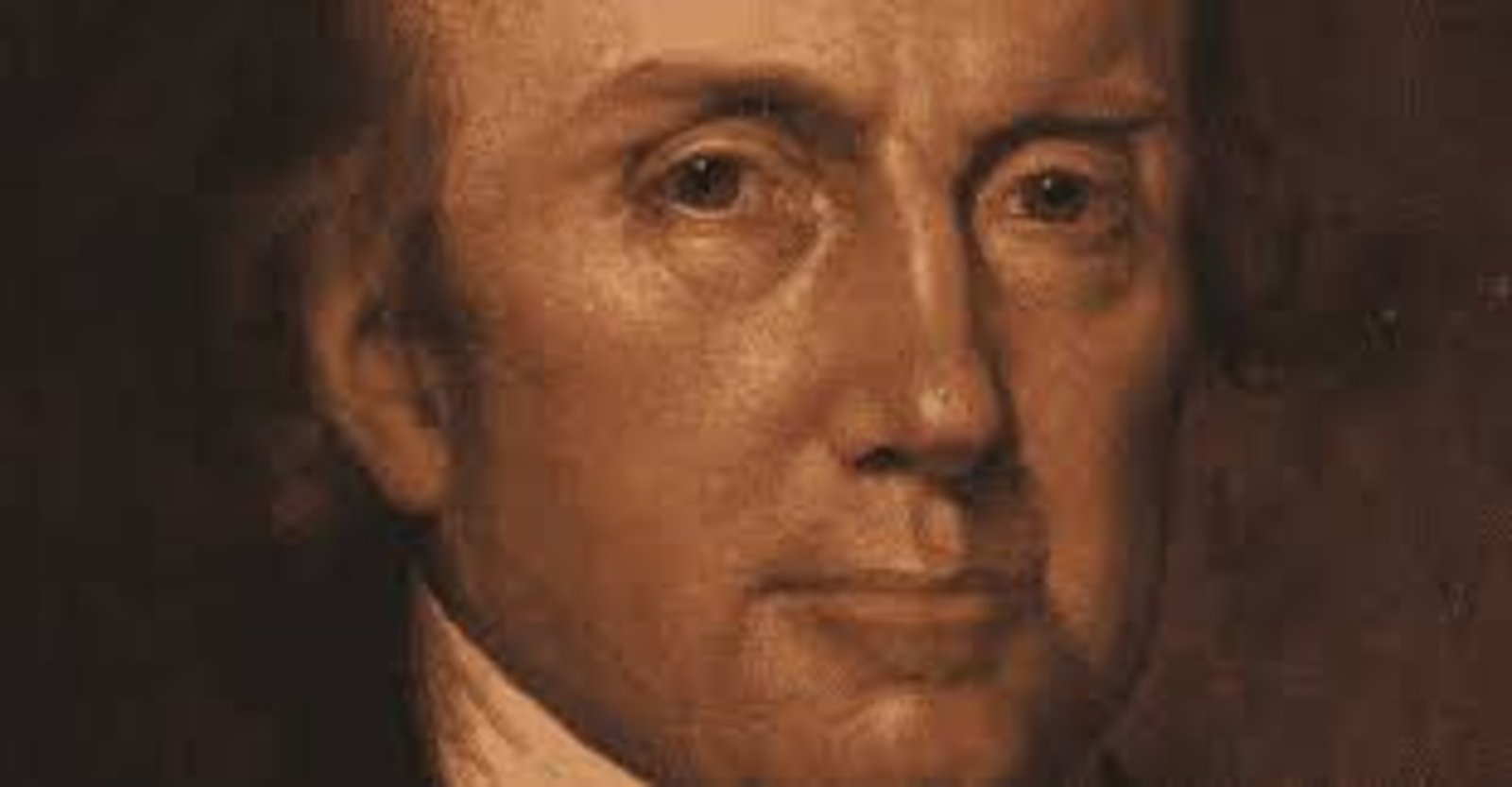
    Many of our founding fathers are familiar names, but a few others’ contributions are largely unnoticed and underappreciated. John Taylor of Caroline is one such man.

    Modern critics often dismiss the founders’ contributions because they were also slaveholders, which was true of Taylor, though he wrote of it negatively. His goals of freeing and “re-exporting” slaves to Africa to avoid violent revolt might strike modern readers as objectionable, but were fairly progressive for the time. With this context understood, it is most accurate to view Taylor as producing a defense of agrarian democracy.

    Joseph Stromberg called Taylor “the philosopher and statesman of agrarianism” and “the most systematic thinker” among Virginia’s planter intellectuals. Jefferson likewise admired his work. Yet Taylor was more than an agrarian spokesman. Taylor developed a sophisticated critique of institutional arrangements and political privileges that encouraged cronyism — a critique that remains surprisingly modern.

    Long before Buchanan and Tullock fully articulated the Public Choice school of thought and state capture had its name, Taylor warned that political power would attract organized interests seeking special privileges. Furthermore, in An Inquiry into the Principles and Policy of the Government of the United States, he argued that “faction” was not primarily caused by differences among people. Instead, it came from government-created opportunities for favored groups to profit through legislation. He also articulated how conflicts are fomented by government-granted economic privileges. These were the result of “mercantilist economic interference.” 

    Taylor distinguished between wealth earned through production and wealth obtained through political favoritism. One of his most powerful ideas is his distinction between productive and political wealth. This foreshadows Franz Oppenheimer’s observation that there are only two ways of producing wealth: the political and the economic. The former relies on coercion, the latter on value creation. Both Oppenheimer and Taylor would oppose subsidized capital, privileged banks, and government-backed financial interests on moral grounds. But Taylor was ultimately concerned about the fate that would befall the rural, agrarian culture he so loved.

    Taylor’s solution to these forms of political gain was not better rulers but less concentrated power. One of the most striking parts of the essay is his assertion that liberty depends on the fragmentation of authority. His views on federalism were clear: power should be divided so thoroughly that no institution could dominate society. Least of all a central bank and a debt-ridden treasury.

    Taylor believed public debt was not merely a fiscal issue but a mechanism for creating a politically dependent class. He articulated grave concerns over debt-financed standing armies, which would encourage imperial sentiments, raise tax burdens, and lead to a “paper aristocracy” that grew wealthy through these processes, and that they represented a distinct faction or class, separate from productive agricultural citizens. Once established, he wrote, “it can as easily deprive nations of the right of self-government as it can rob individuals of their property.”

    Many believe that class conflict is strictly a Marxist construct. But a long tradition of classical liberals has sounded the alarm over societal rifts that emerge through the processes that Taylor and Oppenheimer warned against. Taylor believed class conflict was generated less by markets than by political privilege. But contrary to Karl Marx, he blamed state privilege, whereas Marx blamed private ownership of the means of production. 

    While Taylor’s agrarian concerns may belong to a bygone era, his distinction and warning about politically versus productively generated wealth still ring true. The modern administrative state has grown tremendously since the Progressive era and has given rise to numerous politically backed privileges within the American economic landscape. From certificate-of-need regulations in healthcare to protectionist tariffs, Taylor’s warnings have gone largely unheeded.

    America’s 250th anniversary is an opportunity to recover forgotten founders and the stories of their lives. The greater opportunity, however, is to rediscover the ideas that made them revolutionary: that commerce and agriculture should be free from government-granted privilege. 

    If the Founders were willing to pledge to each other their lives, fortunes, and sacred honor, then we, as their heirs, should summon the political will to dismantle the institutions and policies that have fostered the very kind of cronyism John Taylor warned against. 

    Even at 250 years old, it is not too late to do so.

    Cronyism forgotten founder WARNED
    Share. Facebook Twitter Pinterest LinkedIn Tumblr Email
    Previous ArticleThangamayil: Yes Prime Minister
    kumbhorg
    • Website
    • Tumblr

    Related Posts

    Global Economy Insights

    Pesona Dessert Lembut Meleleh Di Setiap Suapan

    By kumbhorgJuly 2, 2026
    Global Economy Insights

    Revolutions Worlds Apart: Why America Chose Liberty and France Chose Terror

    By kumbhorgJuly 2, 2026
    Global Economy Insights

    Bisnis Tambak Udang, Peluang Besar Di Tengah Tren Ekspor » Dashofinsight

    By kumbhorgJuly 1, 2026
    Global Economy Insights

    What a BBQ Feud Teaches Us About Freedom

    By kumbhorgJuly 1, 2026
    Global Economy Insights

    Festival Cian Cui, Tradisi Seru Yang Bikin Pecah Suasana » Dashofinsight

    By kumbhorgJune 30, 2026
    Global Economy Insights

    Trump v. Cook Carve-Out Leaves the Fed Above the Law

    By kumbhorgJune 30, 2026
    Add A Comment

    Comments are closed.

    Don't Miss

    A Forgotten Founder Who Warned Against Cronyism

    By kumbhorgJuly 3, 2026

    Many of our founding fathers are familiar names, but a few others’ contributions are largely…

    Thangamayil: Yes Prime Minister

    July 3, 2026

    Hayley Matthews opens up on her future after West Indies’ exit from Women’s T20 World Cup 2026

    July 3, 2026

    World Cup report, result and goals as Ronaldo helps Selecao survive late scare to set up Spain showdown

    July 3, 2026
    Top Posts

    Satwik-Chirag storm into China Masters final with straight-game win over Malaysia | Badminton News

    September 21, 2025176 Views

    SaucerSwap SAUCE Crypto Breaks Key Resistance Amid Nvidia-Hedera Deal

    July 15, 202548 Views

    Unlocking Your Potential with Mubite: The Future of Crypto Prop Trading

    September 17, 202533 Views

    Stablecoins 2025 Exchange Reserves: Insights into DeFi Trends

    September 8, 202532 Views
    Stay In Touch
    • Facebook
    • Twitter
    • Pinterest
    • Instagram
    • YouTube
    • Vimeo
    About Us

    Welcome to KumbhCoin!
    At KumbhCoin, we strive to create a unique blend of cultural and technological news for a diverse audience. Our platform bridges the spiritual significance of the Kumbh Mela with the dynamic world of cryptocurrency and general news.

    Facebook X (Twitter) Pinterest WhatsApp
    Our Picks

    A Forgotten Founder Who Warned Against Cronyism

    July 3, 2026

    Thangamayil: Yes Prime Minister

    July 3, 2026

    Hayley Matthews opens up on her future after West Indies’ exit from Women’s T20 World Cup 2026

    July 3, 2026
    Most Popular

    7 things to know before the bell

    January 22, 20250 Views

    Reeves optimistic despite surprise rise in UK borrowing

    January 22, 20250 Views

    Barnes & Noble stock soars 20% as it explores a sale Barnes & Noble stock soars 20% as it explores a sale

    January 22, 20250 Views
    • Terms and Conditions
    • Privacy Policy
    • Contact Us
    • About Us
    © 2026 Kumbhcoin. Designed by Webwizards7.

    Type above and press Enter to search. Press Esc to cancel.