


What Are Collaboration Platforms?
Collaboration platforms are online spaces that help people communicate, work together, share information, and achieve team goals. As companies spread out and projects involve more departments, these platforms have become key tools for teamwork and getting more done.
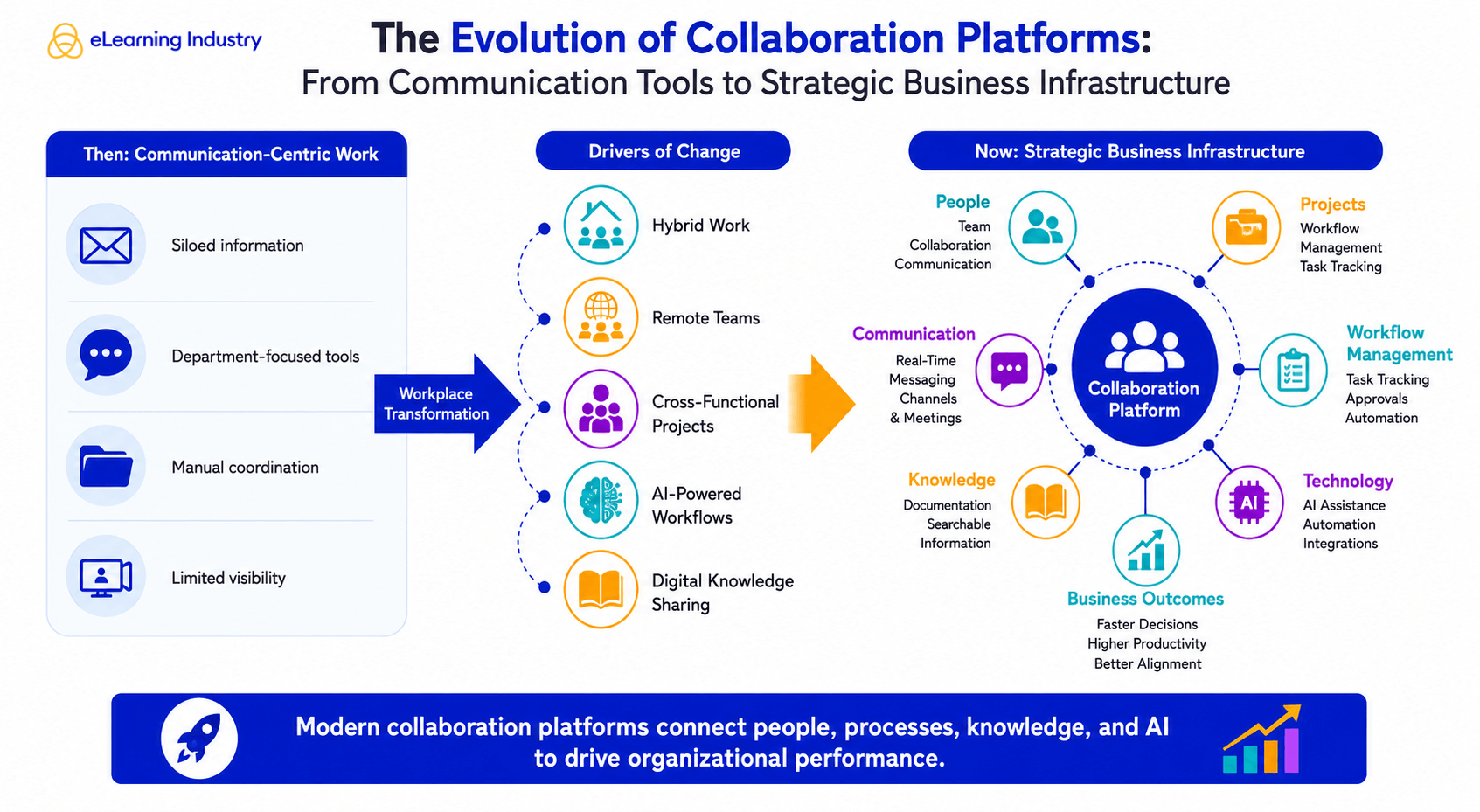
To understand collaboration, it helps to look beyond just talking with others. Today, collaboration means more than communication. It also includes coordination, working together on tasks, and sharing knowledge. Teams need ways to share ideas, set priorities, collaborate on projects, and find information easily. A collaboration platform puts all these activities in one place, so employees can work well together no matter where they are.
What Makes A Platform Different From A Standalone Tool?
A standalone tool usually solves a single problem, such as messaging or file sharing. Collaboration software, on the other hand, supports many types of work by connecting different features. While single tools might be used by just one department, a collaboration platform brings everyone together by combining messaging, project management, document sharing, and knowledge sharing. This helps organizations not only work faster in the short term but also become more effective over time.
Why Collaboration Platforms Matter More Than Ever
Collaboration platforms are now a must-have for organizations looking to boost productivity, stay aligned, and perform well in today’s complex work settings. As companies adjust to new work styles, technology supports workplace collaboration, helping employees stay connected, no matter where they are.
Hybrid And Remote Work Have Changed Collaboration Requirements
With more people working in hybrid and remote setups, the way employees connect and share information has changed a lot. Teams are now spread across locations and time zones, making remote collaboration more important than ever. Many companies use asynchronous work, where people contribute at different times instead of all at once. Because of this, effective communication and collaboration tools are key to keeping projects on track and ensuring everyone is on the same page.
Organizations Are Becoming More Complex
Today’s organizations have more people involved, make decisions faster, and run more projects that cross different departments. Teams from HR, Learning and Development, Operations, and other areas need to work together to reach common goals. When teams collaborate well across functions, it breaks down barriers and leads to better results for the business.
Knowledge Is Now A Key Advantage
Knowledge is one of an organization’s most valuable resources. Effective collaboration in the workplace depends on capturing institutional knowledge, maintaining clear documentation, and making information easy to find. Strong search capabilities and shared knowledge repositories help create organizational memory, ensuring valuable expertise remains accessible long after projects are completed.
Benefits Of Collaboration Platforms For Businesses
Collaboration platforms are now a must-have for organizations looking to boost communication, productivity, and teamwork across different departments. These tools do more than just messaging—they connect people, information, and workflows in one place. As companies deal with hybrid work, digital changes, and more complex operations, collaboration software helps teams work smarter and make better choices.
Faster Communication And Decision-Making
A major advantage of collaboration platforms is faster communication. Rather than using long email threads or separate systems, employees can share updates, talk about projects, and get information in real time. Many productivity and collaboration tools include instant messaging, video calls, document sharing, and notifications to keep everyone on the same page.
When information is easy to find, and conversations happen in one place, teams can make decisions faster. This means less time spent looking for updates and more time getting work done.
Improved Cross-Functional Collaboration
Today’s organizations rely on strong cross-functional collaboration. This means employees from different departments work together toward a common goal. For example, Marketing, HR, L&D, Operations, and Customer Success teams often bring their own expertise to help reach business objectives.
Collaboration platforms make cross-team collaboration easier by creating a centralized space where stakeholders can communicate, share resources, and track progress. This clear view helps avoid misunderstandings, keeps everyone aligned, and makes sure projects move ahead smoothly.
Better Project Visibility And Accountability
Successful project collaboration needs clear roles and transparency. Collaboration platforms offer dashboards, task lists, timelines, and shared documents so teams know what’s important and who is responsible for what.
Many organizations use project collaboration tools to track progress, identify issues, and keep projects on schedule. When everyone knows who is handling each task, accountability goes up, and teams are more likely to meet deadlines.
Increased Employee Engagement And Knowledge Sharing
Employees feel more engaged when they can share ideas, find resources easily, and work with their colleagues. Collaboration platforms help with knowledge sharing by making documents, discussions, and best practices available to everyone in the organization.
For example, L&D teams can share training materials and resources, and HR teams can keep onboarding information and employee updates in one place. This helps everyone feel more connected and informed.
Reduced Operational Silos
Many organizations struggle with departmental silos that limit communication and slow progress. Collaboration platforms help break these barriers by connecting people, processes, and information.
Operations teams can manage workflows better, Customer Success can share feedback with product and support teams, and HR can team up with managers on workforce projects. With a shared space for communication and collaboration, organizations can work more efficiently, stay aligned, and achieve better results.
Collaboration is no longer a soft skill or a workplace initiative, but a business capability. The organizations that invest in connecting people, knowledge, and workflows will be better positioned to adapt, innovate, and compete in an increasingly complex environment.
-Christopher Pappas, CEO and founder of eLearning Industry
Features Of Collaboration Platforms
Collaboration platforms help organizations bring people, information, and workflows together so they can work more effectively. Although each platform offers different features, the best ones all support communication, coordination, and productivity. Knowing what to look for can help leaders choose the right tools for their goals.
Real-Time Communication
Good communication is the key to working well together. Today’s platforms enable real-time teamwork through instant messaging, team channels, discussion threads, and live notifications. Many also offer video features for virtual meetings, webinars, and screen sharing.
When teams use a single online workspace for communication, they get fewer emails, respond faster to changes, and stay on the same page. For organizations with people in different locations, real-time tools help everyone feel more connected and respond more quickly.
Document And Content Collaboration
The best collaboration tools let teams easily create, edit, review, and share content together. Good platforms allow several people to work on the same document at once, leave comments, track changes, and keep versions organized.
Many organizations see these features as essential because they help avoid duplicate files and confusion. The best shared document tools make it easy for everyone to work together and always use the latest version.
Task And Workflow Management
Collaboration is not just about communication; it is also about execution. Many platforms include workflow collaboration software that helps teams organize tasks, assign work, track deadlines, and monitor project progress.
Some platforms also offer project management tools that bring together planning, resource management, and team communication in one place. These features help teams see what is happening, stay accountable, and work together on complex projects.
Knowledge Management And Search
As organizations grow, information can become scattered across different places. Good collaboration platforms solve this by offering a central place for knowledge and strong search tools.
With these tools, employees can quickly find documents, project updates, training materials, and other important information. This saves time and helps teams make better decisions.
Security And Governance
Security is very important, especially for organizations that deal with sensitive data. Secure collaboration tools offer features such as encryption, role-based access controls, audit logs, and support for compliance.
A secure collaboration app should keep information safe without making things harder for users. Larger organizations often look at governance, ease of use, and how well the software can grow with them when choosing secure tools.
Integrations And Ecosystem Connectivity
Most work today does not happen in just one app. The best collaboration platforms connect with learning systems, CRM tools, HR software, productivity suites, and other business apps.
These connections help build a digital workspace where information moves easily between teams and processes. This reduces manual work, keeps data consistent, and helps employees feel more connected.
Collaboration Platform Categories And Use Cases
There are many types of collaboration platforms, each made to fit different business needs, team setups, and ways of working. Knowing the main types helps organizations pick the right tools for their goals and how they want to work together.
Enterprise Collaboration Platforms
Enterprise collaboration platforms are made for large organizations that need to connect employees, departments, and offices across many locations. These tools usually bring together communication, document management, knowledge sharing, workflow automation, and analytics into a single platform.
Enterprise collaboration software is especially helpful for global teams working across different time zones and business units. Rather than using separate tools, organizations can use one system to create a central workspace that makes it easier to see what’s happening, stay consistent, and work together.
Many companies also choose collaboration tools that work with their current business systems. This helps employees find information and collaborate without switching between apps.
Team Collaboration Platforms
Team collaboration platforms help groups communicate, share resources, and work together more efficiently. Most modern tools offer messaging, file sharing, video meetings, task management, and shared workspaces.
These tools are great for departments, project teams, and remote workers who need to stay connected during the day. Keeping conversations, documents, and tasks in one place helps teams avoid information silos and work together better.
Project Collaboration Platforms
Project-focused platforms help with planning, execution, and accountability. Many organizations use these tools to assign tasks, track deadlines, manage resources, and monitor progress.
The best project collaboration software gives teams clear project visibility, real-time communication, and easy document sharing. This helps everyone stay informed, spot risks early, and keep projects on track. For projects that involve several departments, these tools can make work more efficient and transparent.
Industry-Specific Collaboration Solutions
Many collaboration platforms work for general business needs, but some industries need special features. For example, construction software might let teams share blueprints and communicate from the field, while supplier software helps companies work closely with vendors and partners.
In education, teacher platforms support lesson planning, resource sharing, and professional development. Student platforms support group projects and peer learning.
How To Spot The Right Collaboration Platform
Not every collaboration platform delivers the same value. Choosing the right one requires more than comparing feature lists. The best collaboration software is the one that aligns with your organization’s goals, workflows, and long-term needs. A structured evaluation framework can help leaders make more informed decisions and avoid costly technology investments.
Start With Collaboration Objectives, Not Features
Before you start looking at vendors, decide what success means for your team. Many organizations get caught up in features, but the real test is whether a platform actually solves an important business problem.
Ask questions such as:
- What problem are we trying to solve?
- Who needs to collaborate?
- Which workflows require better visibility or coordination?
- How will collaboration improve business outcomes?
For example, a growing company might need better teamwork between HR, Learning and Development, and department managers. A company with a remote workforce may care more about tools for working together from different locations and communicating in real time. Figuring out these needs early makes it easier to find the right collaboration tools.
Assess User Adoption Risk
Even the best collaboration software will not work if employees do not use it. Ease of use should be one of your top priorities. A simple, easy-to-understand platform can help people get on board faster.
Consider how much training people will need and whether the new tool aligns with how your team already works. It is also important to explain why you are introducing the platform and to offer support as people adjust. Getting everyone to use the new tool often depends as much on people and habits as on the technology itself.
Evaluate Security And Compliance Requirements
Collaboration platforms often hold sensitive business information, project details, and internal messages. Make sure to check the platform’s security features, like who can access what, how data is protected, how users log in, and whether it meets industry standards. If your industry is regulated, compliance rules can play a big role in choosing a platform. Treat security as a basic business need, not just an extra feature.
Examine Scalability And Integration Potential
The right collaboration software can meet your current needs, but it is important to think about how your business might grow. Choose a platform that can handle larger teams, more complex projects, and changing ways of working.
It is just as important for your collaboration tools to work well with the systems you already use. Look for software that connects with your HR, learning, project management, and communication tools to bring everything together in one place.
Measure Long-Term Value
Also, think about the long-term impact on your business, not just the upfront cost. Good collaboration platforms help your team get more done, avoid repeating work, share knowledge easily, and make decisions faster.
Rather than just looking for the tool with the most features, focus on which platform will bring the most value to your business. The best collaboration tools help your team work better together, stay focused on common goals, and adjust as your business changes.
Conclusion
Collaboration platforms have become essential for businesses, helping teams share knowledge, coordinate tasks, and stay connected across different departments and locations. Still, technology by itself is not enough. When choosing collaboration software for your team, though, focus on the results it delivers, not just its list of features. In the next decade, the most successful organizations will see collaboration as a skill they can build, measure, and keep improving, not just as a task to complete.
