

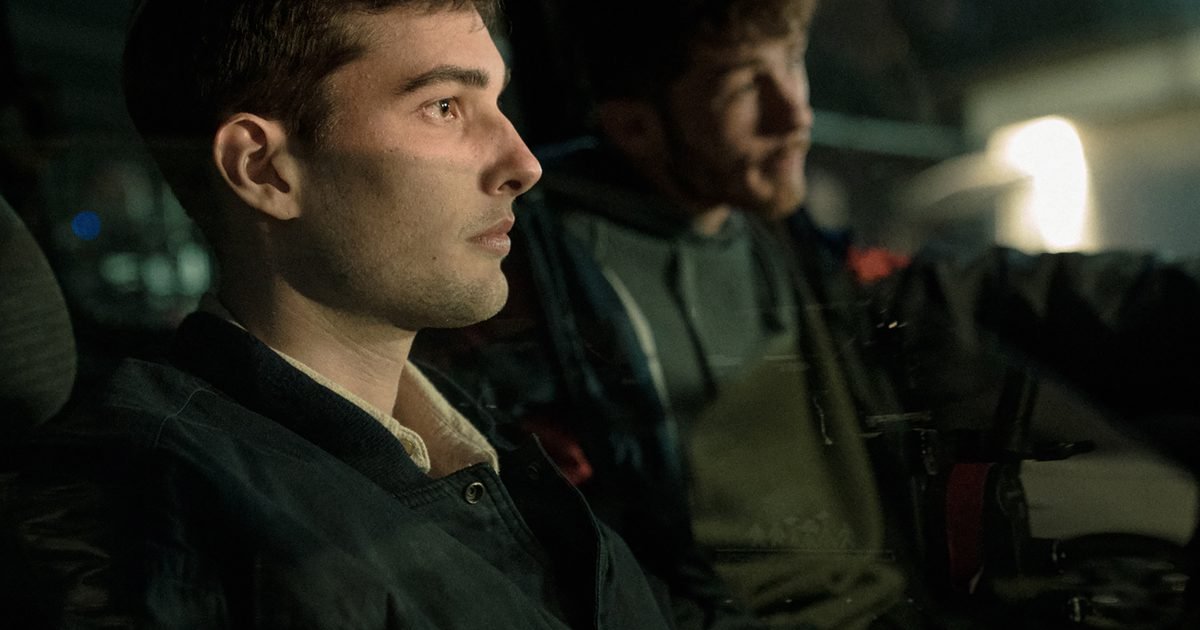
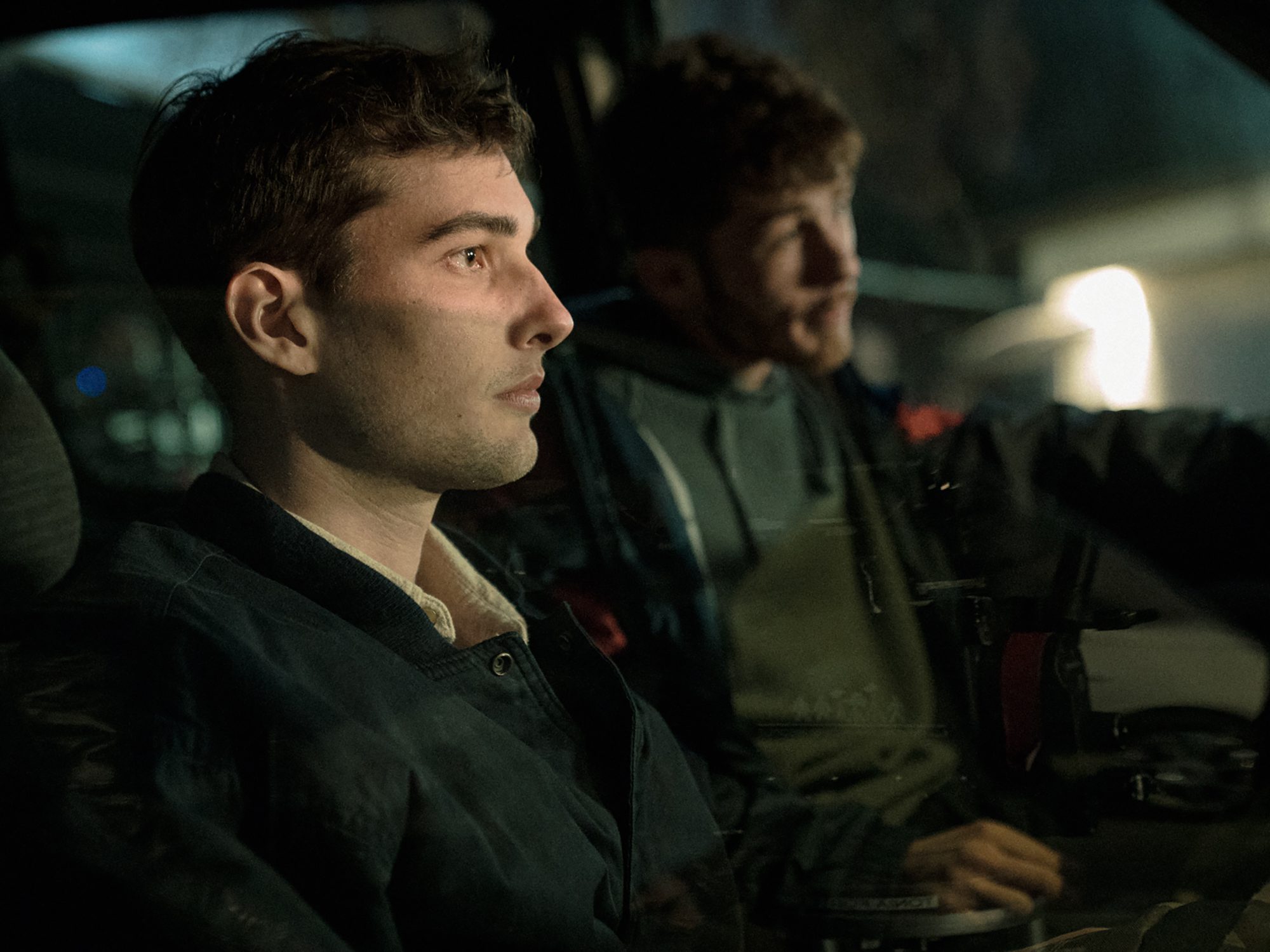
In 2016 the murder of Luca Varani shook Rome. The horrific crime, committed by two young men who barely knew the victim, was notable for its sheer senselessness; when pressed for a motive the perpetrators claimed they simply wanted know what it felt like to kill. Varani’s death sparked wider conversations in Italy about societal attitudes, particularly those of young men, and in 2020 Nicola Lagioia published the book ‘The City of the Living’ which sought to probe the circumstances that led to the crime as well as honour the memory of the victim.
Lagioia’s book provides the foundation for Edoardo Gabbriellini’s drama, which focuses on the final year in Varani’s life before it was needlessly ended. Twenty-three-years-old and directionless, Luca’s (Emanuele Maria Di Stefano) life revolves around his girlfriend Marta (Gaia Merlonghi) and trying to figure out what he wants to do with his life. After flunking out of high school he’s attending night classes to get his diploma, but lacks motivation to see it through, and becomes distracted when he’s pulled into the world of sex work by an acquaintance. Tragically it is exploring this aspect of his desires that ultimately leads to Luca’s murder after he is lured to an apartment with the promise of payment, but Gabbriellini’s sensitive approach to the subject matter means that there is very little focus on the salacious and degrading aspects of this story.
Get more Little White Lies
Instead, Gabbriellini chooses to focus on what matters: the sensation of a young man adrift in the modern world, brimming with possibility and denied it in a horrific, selfish turn of events that no one close to him could have ever anticipated. The question marks that hover over Luca’s murder haunt his family, and in the final 45 minutes of the film, the focus shifts to how the loss impacted his girlfriend and parents, who struggle to make continue with their lives in the aftermath.
Rome is painted as a more melancholy destination than we’re used to seeing it, washed with cool tones and often captured at sunset from balconies and rooftops, with Luca gazing out at a place that seems impenetrable to a working class boy with no strong sense of self. He seems to initially see sex work as a means of making quick cash easily, but there’s a lingering sense that Luca was also exploring a blossoming element of his identity, and part of the tragedy is he felt there was no other outlet for this beyond the seedy, secretive world that allowed him to meet his eventual killers. This softness is well matched by Maria Di Stefano’s portrait of Luca, a beautiful but notably internal young man, conveying plenty with the softest tilt of his head or longing look. In a refreshing take on the true crime genre, so often obsessed with grisly details and the psychology of the perpetrators, The City of the Living never seeks to sensationalise Luca’s eventual fate, or even try to ascribe some greater meaning to it. Instead the focus is where it should be: on the tragedy of a life taken well before it had truly begun, and the immense weight of grief for those left behind.
