


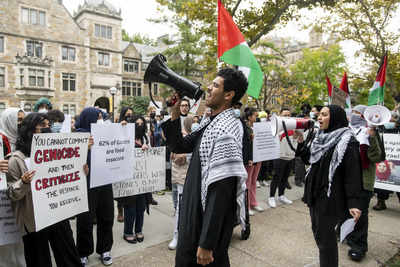
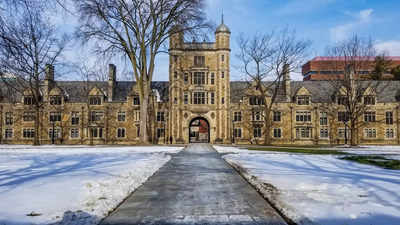
The American Civil Liberties Union (ACLU) has filed a lawsuit against the University of Michigan, challenging its policies that prohibit pro-Palestine protesters from campus following a series of demonstrations. The lawsuit, filed on behalf of multiple individuals, claims that the university is unfairly targeting students and affiliates who participated in these protests, thus violating their First Amendment rights.
Background of the case
The lawsuit stems from the university’s decision to issue “trespass bans” to several students and individuals involved in on-campus pro-Palestine protests. Among the plaintiffs are two undergraduate students, two recent graduates, and one individual with university affiliation. The bans prevent them from setting foot on any property owned or leased by the university, including academic buildings, sidewalks, and even open spaces like the Diag. The plaintiffs argue that their bans have been imposed unfairly and without due process, violating their right to protest and express their political views.
According to the suit, these actions appear to disproportionately target pro-Palestine activists, as similar restrictions have not been applied to other protest groups. As reported by ClickOnDetroit, one plaintiff, Jonathan Zou, a second-year student, was initially barred from attending classes, though this restriction was later amended to allow class attendance. However, Zou remains prohibited from attending protests, student organizing meetings, and even socializing with peers on campus.
The trespass ban policy
The University of Michigan’s “Trespass Policy” allows its police department to issue bans to individuals accused of committing crimes or disrupting university functions. However, as quoted by the ACLU, the policy is vague and subjective, leading to concerns about the suppression of free speech. The policy does not outline clear guidelines for what constitutes a “disruption,” leaving room for potential abuse, according to the lawsuit.
In some instances, bans have been issued for minor acts such as jaywalking or using a bullhorn at a protest. As noted in the legal filing, the bans are generally for one year but have been extended without clear explanation, raising questions about their fairness.
ACLU’s response and implications
The ACLU argues that these bans go against constitutional protections for free speech and protest, particularly in a university setting. As reported by ClickOnDetroit, Ramis J. Wadood, a staff attorney for the ACLU of Michigan, emphasized, “The right to speak and protest freely is fundamental to a well-functioning democracy.”
The lawsuit seeks to restore due process protections for students and prevent the university from imposing unjust penalties on peaceful protesters.
