


Instructional Design Programs For Beginners And Career Changers
Instructional Design programs are becoming a key pathway for professionals who want to transition into high-impact learning roles. As organizations invest more in digital training, the demand for skilled Instructional Designers continues to grow across corporate, academic, and consulting environments. Consequently, this shift is attracting teachers, HR professionals, and trainers who already understand how people learn and now want to apply those skills in more strategic, scalable ways.
However, the market is crowded. From Instructional Design certificate programs online to various Instructional Design certifications, it is often difficult to assess what truly builds skills versus what adds a credential. Not every certification in Instructional Design prepares you for real-world challenges or helps you think like a designer.
But don’t worry. This guide is designed to help you evaluate Instructional Design programs with clarity. Instead of promoting options, it focuses on what matters: skills, frameworks, and long-term career value.
In This Guide…
What Are Instructional Design Programs? (And What They Actually Teach)
Instructional Design programs prepare professionals to design learning experiences that improve performance, not just deliver content. At their core, they go beyond tools and focus on how people learn, why they engage, and what drives real outcomes.
Most Instructional Design certificate programs online cover essential learning theories, helping you understand how adults absorb and apply knowledge. They also introduce structured models such as ADDIE, along with alternatives used by modern L&D teams. A strong certificate in Instructional Design will also develop your ability to create instructional strategies, align content with business goals, and use LMS and eLearning tools effectively. Just as important, you will learn how to assess impact and measure success. Ultimately, these programs teach you how to think like a designer, making informed decisions, not just building courses.
Why People Are Moving Into Instructional Design
More professionals in different fields are choosing Instructional Design programs to move into strategic, future-oriented jobs. They are attracted not only by the chance for better careers but also by the opportunity to create learning experiences that lead to real business results.
From Teaching To Instructional Design
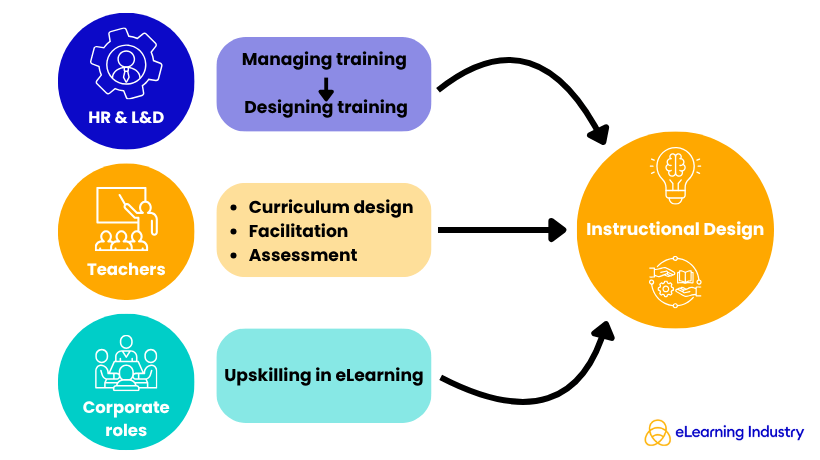
Teachers already bring strong foundations in curriculum design, facilitation, and assessment. By enrolling in Instructional Design certificate programs online or pursuing Instructional Design certifications, they can turn their classroom expertise into digital learning experiences. Many hope to become certified Instructional Designers, expanding their impact beyond traditional education.
From HR And L&D To Strategic Learning Roles
For HR and L&D professionals, the shift is about moving from coordination to ownership. Instead of managing training, they begin designing it. A certification in Instructional Design (ISD) formalizes this transition and aligns learning initiatives with business goals.
From Corporate Roles To Learning Experience Design
Professionals in corporate roles are also reskilling by choosing the best Instructional Design certificate programs online to stay relevant in a digital-first workplace. These certifications for Instructional Designers support the growing demand for Learning Experience Design.
Types Of Instructional Design Programs Explained
Not all Instructional Design programs serve the same purpose. For career switchers, understanding the differences is critical. The right choice depends on whether you need foundational knowledge, industry validation, or hands-on practice. Let’s break them down.
Certificate Programs
Certificate programs are usually short-term and skill-focused. They are often the first step for professionals moving into the field. Many are offered as online Instructional Design certificate programs, making them accessible to working professionals.
These programs are commonly labeled as “Instructional Design certifications,” but their content can differ widely. Some programs focus on key frameworks like ADDIE, while others highlight tools and how to create courses. These certifications help you gain a basic understanding quickly. However, they should not be your only investment. Employers often look for more than just a certificate to prove your skills. What matters most is how you use what you learn.
Professional Certifications
Professional certifications aim to validate your expertise at an industry level. Unlike short certificates, these are positioned as credentials that show you are a certified Instructional Designer.
You often see certifications for Instructional Designers grouped together or advertised as the best options. While these labels can help, it’s important to look beyond the branding and see how they relate to your career goals. These certifications become more valuable when paired with real-world experience. For those switching careers, these programs can boost credibility, but they don’t replace having a strong portfolio or practical skills.
ADDIE And Methodology-Based Certifications
Some programs focus specifically on Instructional Design frameworks, such as the ADDIE model. These include ADDIE certification or ADDIE model certification pathways.
Methodology-based learning helps you understand how to think like a designer, not just what to build. This is especially valuable if you are transitioning from teaching or training roles. However, methodology alone is not enough. In practice, many organizations use blended or agile approaches. Understanding ADDIE is important, but knowing when to adapt it matters even more.
Platform-Specific Or Brand-Led Certifications
Another category includes platform-driven programs, such as a Google Instructional Design certificate. These are designed to teach skills within a specific ecosystem or approach.
The main benefit is that these resources are well-structured and easy to access. They often provide clear learning paths and hands-on exercises. However, they may focus too narrowly and reflect only one platform’s view. For career switchers, these resources can be a helpful starting point, but should be paired with a wider range of learning and practice on your own.
How To Evaluate The Best Instructional Design Certificate Programs
Choosing the right Instructional Design certificate program can feel overwhelming. Many programs promise career transformation but focus more on marketing than substance. Below, you’ll get a sense of how to get started when choosing the best Instructional Design program.
Curriculum Depth Vs. Tool Training
The first question to ask is whether the program teaches Instructional Design strategy or just software tools. The best Instructional Design certificate programs online go beyond showing you how to use authoring tools. They also teach learning theory, instructional frameworks like ADDIE, and ways to create engaging and effective learning experiences. Programs that focus on strategy help you solve real learning challenges, not just put together slides.
Real-World Application
Look for programs that emphasize practical application. Having a portfolio of projects is much more useful than just a certificate. Programs that include hands-on assignments, case studies, or real-world projects help you show your skills to potential employers.
Industry Relevance
Programs that meet corporate L&D needs help you stay competitive. Instructional Design supports business goals, so it’s essential to understand how adults learn, identify performance gaps, and focus on organizational outcomes. Choose a program that highlights skills important to HR leaders, L&D managers, and training coordinators.
Flexibility And Format
Online delivery is essential for many professionals. The most effective Instructional Design certificate programs online combine self-paced modules with live interaction, offering flexibility without sacrificing mentorship or feedback.
Career Outcomes
Finally, check if the program helps you change careers. Will it help you get your first job in Instructional Design, or is it mostly just theory? The best programs provide clear paths from learning to working and offer guidance on certification, portfolio development, and the development of job-ready skills.
Common Mistakes Career Switchers Make
Transitioning into Instructional Design is exciting, but it comes with pitfalls that can slow your progress. Understanding these mistakes helps you make informed decisions and focus on what truly matters.
Over-Investing In Certifications Too Early
Many aspiring Instructional Designers think that collecting multiple Instructional Design certifications or certificate programs online will automatically land them a job. While they can add credibility, over-investing too early often leads to wasted time and money. Career switchers should prioritize building foundational knowledge and practical experience first, then select the best Instructional Design certificate programs that align with their goals.
Focusing Only On Tools
It’s easy to get caught up in mastering tools like Articulate or other eLearning software. However, being skilled at tools without understanding Instructional Design principles is limiting. Certifications for Instructional Designers or Instructional Design certificate programs that emphasize theory, learning strategies, and assessment frameworks are far more valuable in the long run than focusing exclusively on software proficiency.
Ignoring Business Context
Instructional Design is not just about creating courses; it’s about solving real business problems. Career switchers often overlook understanding the organizational goals, KPIs, and performance metrics. However, failing to consider the business context makes even a certified Instructional Designer less effective, regardless of certifications or technical skills.
Not Building A Portfolio
Finally, many newcomers underestimate the power of a portfolio. Hands-on projects, even small case studies, demonstrate your ability to apply theory to practice. Without a portfolio, a certified Instructional Designer may struggle to showcase their skills, no matter how many Instructional Design certifications they hold.
How To Choose The Right Path Based On Your Background
Transitioning into Instructional Design depends largely on your current skills and experience. Choosing the right Instructional Design programs ensures you build relevant knowledge without wasting time on unnecessary content.
If You’re A Teacher
Teachers bring strong curriculum and classroom management experience. So, you need to focus on digital learning tools and on building a portfolio of Instructional Design projects. Enrolling in Instructional Design certificate programs online can help you translate teaching expertise into digital learning strategies. Developing a portfolio demonstrates your practical skills to potential employers.
If You’re In HR Or L&D
Professionals in HR or learning departments should focus on strategy and measurement. Certifications for Instructional Designers strengthen your credibility while helping you apply learning theories to real business challenges. Consider programs that emphasize the ADDIE model certification or other methodology-based training to design effective learning experiences.
If You’re Starting From Scratch
If you have no prior experience, prioritize fundamentals. Look for Instructional Design certifications that cover core principles, frameworks, and hands-on projects. Structured programs provide a step-by-step path to build skills and confidence, preparing you for a successful transition.
Step-By-Step Guide To Transition Into Instructional Design
Transitioning into Instructional Design can feel overwhelming, especially if you’re coming from teaching, HR, or another corporate role. A clear guide helps you focus on what matters most: building the skills, credentials, and portfolio that make you job-ready. Here’s a step-by-step guide for career switchers.
Step 1: Learn Core Frameworks
The foundation of Instructional Design is understanding the principles and frameworks that guide effective learning. Start with the ADDIE model, Bloom’s Taxonomy, and adult learning theories. These frameworks will shape how you analyze learning needs, design engaging content, and evaluate results. Mastering these concepts will give you the confidence to think like an Instructional Designer and communicate your ideas clearly to stakeholders.
Step 2: Take A Focused Certificate Program
Once you understand the fundamentals, consider enrolling in a structured Instructional Design program. Look for a certification in Instructional Design or another reputable program that covers both theory and practice. A focused certificate program helps you learn best practices, build a professional network, and show commitment to your new career path. Remember, the goal is not just to earn a certificate but to gain skills that translate directly to workplace challenges.
Step 3: Build 2–3 Portfolio Projects
Employers often value a strong portfolio over formal credentials alone. Create 2–3 Instructional Design projects that showcase your ability to apply frameworks, design engaging learning experiences, and use assessment strategies. These projects could include microlearning modules, eLearning courses, or scenario-based training exercises. A portfolio shows prospective employers that you can translate theory into actionable, measurable results.
Step 4: Learn Key Tools
Technical skills are important in Instructional Design today. Get to know LMSs, authoring tools, and collaboration platforms. These tools may change over time, but showing that you can use common platforms, along with your frameworks and portfolio, will help you stand out as a candidate.
Step 5: Position Yourself Strategically
Finally, to advance your career in Instructional Design, focus on the opportunities available to you. Update your resume and LinkedIn profile to showcase your Instructional Design certifications, examples of your work, and relevant skills. Also, get involved in professional groups, attend webinars, or even find a mentor. Positioning yourself strategically will help ensure that your skills and certificates lead to valuable job openings.
Conclusion
Instructional Design programs are just the starting point. They provide tools, frameworks, and credentials, but they are not the end goal. The real change occurs when you start thinking like an Instructional Designer. Certifications and courses can help you learn faster, but true value comes from applying principles, assessing needs, and creating effective solutions. The best Instructional Design program is one that alters how you think about learning, problem-solving, and strategy, not just what you know on paper.
Frequently Asked Questions (FAQ) About Instructional Design Programs
A degree in education, Instructional Design, or a related field helps, but employers value practical experience, portfolio projects, and certifications. Skills in learning theory, ADDIE or agile frameworks, LMS tools, and eLearning software are essential for career-ready Instructional Designers.
The best course depends on your background and career goals. Focus on programs that teach core frameworks, learning strategies, and portfolio-building rather than just software. Look for recognized certifications and applied learning opportunities.
Yes. Certificates demonstrate your commitment and teach foundational frameworks. However, the real value comes from applying knowledge in projects, building a portfolio, and developing strategic thinking, not just earning the credential.
Most certificate programs range from a few weeks to several months, depending on depth and format. Full professional certifications can take longer, especially if they include hands-on projects or portfolio development.
Absolutely. Transferable skills like curriculum design, training facilitation, and learning evaluation make teachers, HR, and L&D professionals strong candidates. Certificates and portfolio projects help bridge gaps in technical tools and corporate learning experience.
Industry-recognized options include ADDIE certifications, Google Instructional Design certificates, and programs labeled as “certified Instructional Designer” or “Instructional Design certifications.” Choose certifications that emphasize frameworks, portfolio development, and real-world application.
