

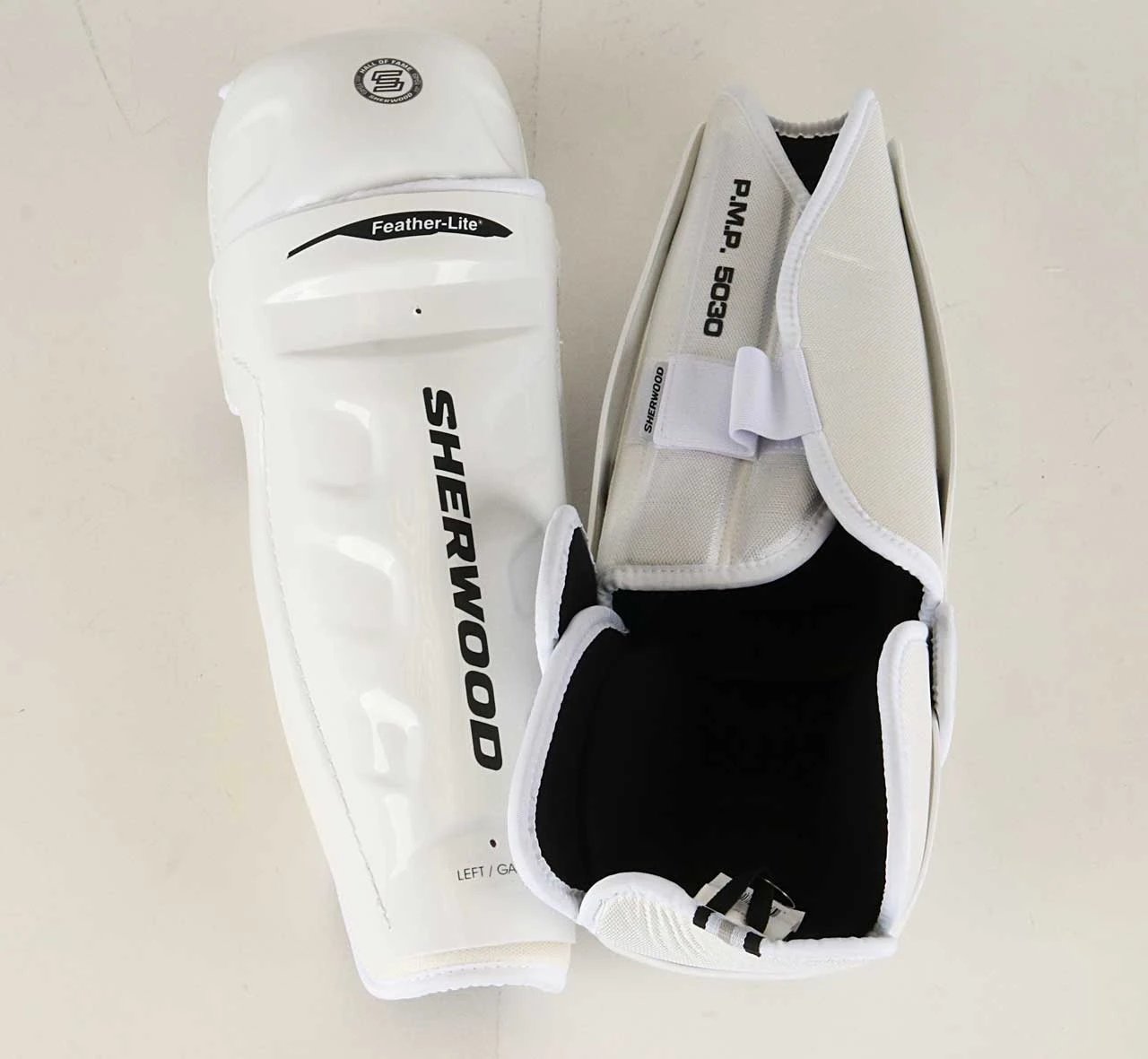
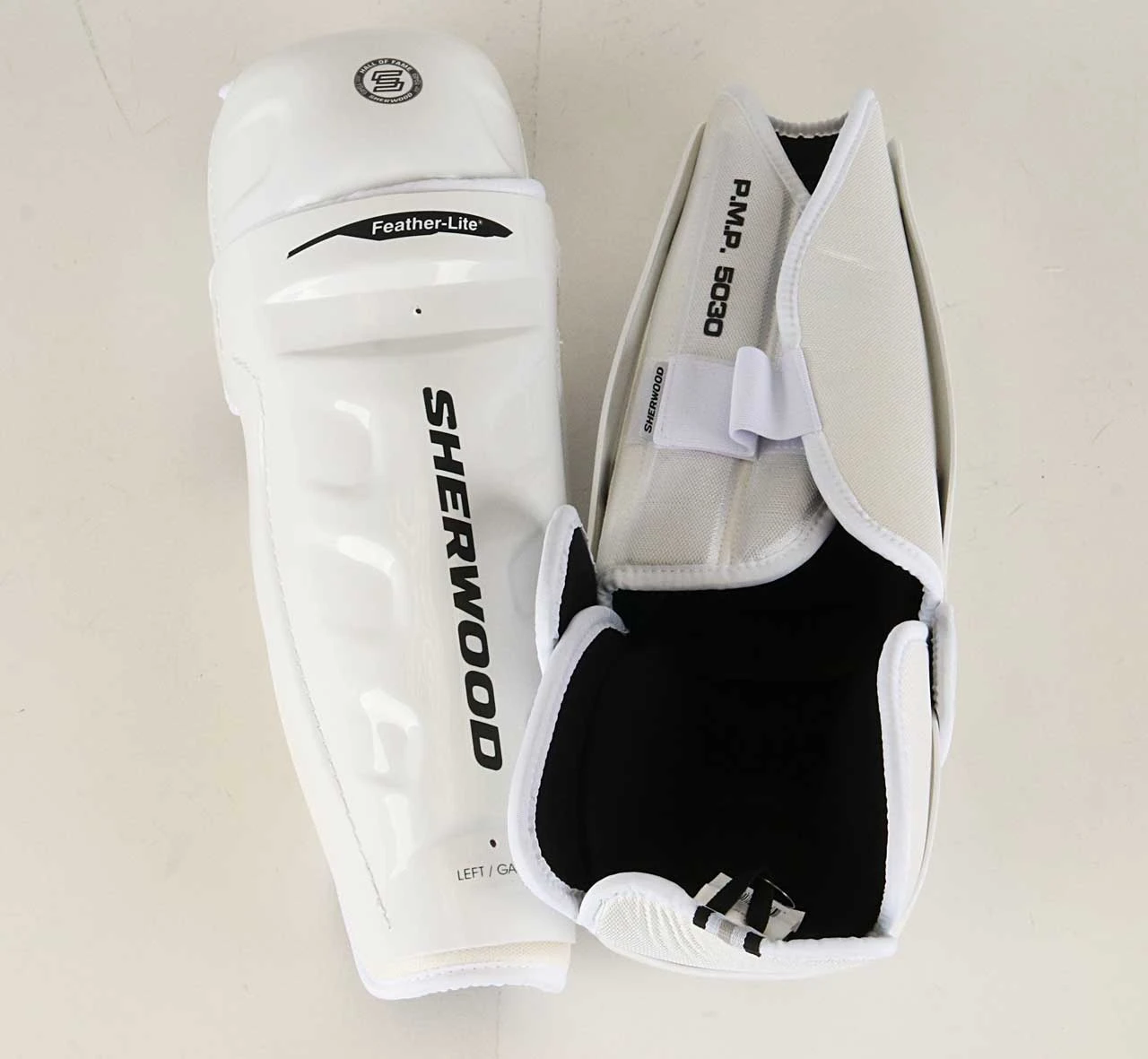
A blocked shot off the shin can make even the toughest hockey player wish they had a little more padding. Between flying pucks, swinging sticks, and the occasional collision along the boards, your lower legs take plenty of punishment during a game.
That’s why choosing the right hockey shin guards matters. While most look similar at first glance, differences in fit, coverage, and construction can affect how comfortable and protected you feel on the ice.
There are several types of shin guards designed for hockey players, from lightweight, close-fitting models to bulkier options offering additional coverage. Understanding those differences can help you find a pair that works with your skating style and level of play.
Do You Have to Wear Shin Guards for Hockey?
Shin guards are essential protective equipment for ice hockey. They cover your shins and knees, helping absorb impacts from blocked shots, stick contact, falls, and collisions.
Organized hockey leagues generally require skaters to wear appropriate protective equipment, including shin pads. Specific requirements depend on the governing organization and league. Even during casual pickup games, playing without shin guards leaves your knees and lower legs exposed.
Hockey shin guards are built differently from those used in soccer or other sports. Most feature a rigid plastic shell, a protective knee cup, and padding along the calf. This construction helps manage the types of impacts hockey players encounter.
What Are the Different Types of Hockey Shin Guards?
The three main hockey shin guard fit profiles are anatomical, tapered, and traditional. Each offers a different balance of comfort, mobility, and coverage.
These aren’t necessarily official product categories across every manufacturer. They’re useful ways to describe how shin pads fit around your legs.
Anatomical Hockey Shin Guards
Anatomical shin guards follow the natural shape of your knee and lower leg. Their contoured construction creates a closer fit, which can help reduce unwanted movement while skating.
Players who prefer equipment that feels connected to their bodies may appreciate this design. However, a snug fit isn’t automatically better. If the calf wrap feels restrictive or the knee cup doesn’t align properly, another style may be more comfortable.
Tapered Hockey Shin Guards
Tapered shin guards generally feature a closer fit through parts of the lower leg while allowing additional room where needed. Their shape aims to balance mobility with protective coverage.
These models may appeal to players who want a streamlined feel without sacrificing essential padding. Just remember that tapered designs vary between brands and product lines.
Traditional Hockey Shin Guards
Traditional shin guards typically offer a roomier fit around the calf and knee. Some feature wider protective shells or more substantial padding, making them appealing to players who prefer additional coverage.
The tradeoff can be a bulkier feel. Still, plenty of players prefer traditional designs because they provide comfortable movement without squeezing the lower leg.
Which type is best? The right choice is whichever provides dependable coverage, stays in position, and allows you to skate comfortably.
Recreational vs. Performance vs. Elite Shin Guards
Beyond their fit profiles, hockey shin pads differ by intended level of play.
Recreational shin guards generally prioritize affordability and basic protection. They’re often suitable for beginners, occasional pickup players, and those participating in lower-intensity games. Look for a secure knee cup, rigid shin shell, and adequate calf padding.
Performance shin guards typically add more substantial padding, improved adjustment systems, and upgraded materials. They’re worth considering for players who practice regularly or participate in competitive leagues.
Elite shin guards often feature advanced impact-absorbing foams, reinforced protective areas, and construction designed for demanding play. Some models balance these features with lightweight materials to help maintain mobility.
Higher prices don’t automatically mean a better fit. A properly sized midrange pair may serve you better than expensive pads that constantly shift around.
How to Choose Shin Guards for Your Position and Playing Style
Your position can influence which types of hockey shin guards feel most comfortable, although personal preference matters just as much.
Forwards who prioritize speed and quick changes of direction may prefer lightweight, anatomical, or tapered designs. A close-fitting pair can feel less bulky during aggressive skating.
Defensemen frequently block shots and battle for position near the net. Some prefer shin guards with substantial calf protection and wider coverage for those situations.
That doesn’t mean every defenseman needs the bulkiest pads available. Forwards block shots, too, and defensemen still need equipment that allows them to move freely.
Beginners should prioritize fit and dependable protection over advanced features. For younger players, properly sized youth or junior shin guards are particularly important. Oversized equipment can shift during play and leave vulnerable areas exposed.
Hockey Shin Guard Sizing and Proper Fit
Hockey shin guard sizing is generally expressed in inches, with manufacturers offering youth, junior, and senior models. Sizing charts often use player height as a starting point, but actual leg measurements provide a better reference.
To measure for shin guards, sit with your knee bent at approximately 90 degrees. Measure from the center of your kneecap down to the point where you want the pad to end near your skate. Your preferred skate tongue position can affect this measurement.
When trying on shin pads, check that:
- Your kneecap sits comfortably inside the protective knee cup.
- The hard shell covers your shin without leaving an exposed gap above your skate.
- The calf wrap closes securely without excessive pressure.
- The guards remain in place when you bend your knees and move.
Try them with your skates whenever possible. Hockey shin guards should stay secure without restricting your skating stride.
Should Hockey Shin Guards Go Over or Under Skate Tongues?
Players generally wear their shin guards either over or behind their skate tongues. Both approaches are common, and neither is automatically correct.
Wearing shin guards over the skate tongues, sometimes called flopping, allows the lower portion of the pad to sit outside the tongue. Players who prefer this setup may need slightly longer shin guards for suitable coverage.
Tucking the skate tongues outside the shin guards places the lower edge of the pad behind the tongue. Some players prefer the feel and flexibility of this arrangement.
Whichever method you choose, check that the shin guard doesn’t interfere with your ankle movement or leave a noticeable protective gap.
Hockey socks hold the pads in place, while clear sock tape can provide additional security. Avoid wrapping tape so tightly that it restricts circulation or movement.
What Protective Features Matter Most?
Hockey shin guard protection involves more than the plastic covering the front of your leg.
The outer shell helps distribute impacts from pucks, sticks, and falls. Beneath it, foam padding absorbs energy and improves comfort. Higher-end models may incorporate specialized foams or additional protective layers.
The knee cup is another important component. It should surround the kneecap securely while allowing comfortable bending.
Calf protection varies considerably. Some shin guards use relatively simple padded wraps, while others include reinforced panels designed to provide more coverage around the back and sides of the leg.
Straps and liners also deserve attention. Adjustable straps help keep the pads from rotating, while removable liners can make cleaning easier.
When comparing anatomical vs. traditional shin guards, examine these protective features alongside the overall fit. A slim profile doesn’t necessarily mean inadequate protection, and a bulky design isn’t automatically safer.
Bauer Supreme vs. Vapor Shin Guards
Bauer’s Supreme and Vapor lines provide a useful example of how manufacturers approach different player preferences.
Supreme shin guards have traditionally emphasized anatomical fit and substantial protective coverage, while Vapor models have generally focused on a streamlined, lightweight feel.
However, materials, padding, and fit characteristics can change between generations and individual models. Compare the specifications of the actual shin guards you’re considering rather than relying on the product family alone.
Other manufacturers, including CCM, offer different fit profiles and protection packages. Trying multiple brands can help you determine which knee cup and calf shape works best for your legs.
What Shin Guards Do NHL Players Use?
NHL players wear shin guards from several major hockey equipment manufacturers, including Bauer and CCM. Some use pro-stock equipment with specifications or modifications that differ from standard retail models.
Professional players may have particular preferences for padding, shell shape, straps, or overall fit. There isn’t one shin guard model that every NHL player wears.
For amateur players interested in professional-grade equipment, pro-stock shin guards can provide access to construction and configurations originally intended for high-level competition.
However, professional equipment isn’t automatically the best choice for everyone. Proper sizing, comfort, and protection should still guide your decision.
How to Maintain and Replace Hockey Shin Guards
Shin pads absorb plenty of sweat throughout a game. Leaving them inside a closed equipment bag encourages moisture buildup and unpleasant odors.
After playing, remove your shin guards from your bag, open the straps, and let them dry in a ventilated area. Follow the manufacturer’s cleaning instructions, especially when washing removable liners.
Regularly inspect the plastic shells, knee cups, straps, and padding. Cracked shells, damaged knee protection, or straps that no longer hold securely are signs that replacement may be necessary.
There’s no universal expiration date for hockey shin guards. Their useful lifespan depends on construction, frequency of play, maintenance, and damage.
Finding the Best Hockey Shin Guards for Your Game
The best hockey shin guards are the ones that fit properly, provide suitable protection, and feel comfortable throughout a game.
Before buying, consider your playing level, preferred fit profile, calf coverage, and how you wear your skate tongues. If you’re shopping online, compare measurements carefully and check product descriptions for construction details.
At Pro Stock Hockey, players can explore hockey shin guards and other equipment options, including pro-stock products when available. The company sources unused equipment from professional and college teams, along with manufacturers supplying those organizations.
Whether you’re upgrading worn-out pads or buying your first complete set of hockey equipment, focus on fit before anything else. Your shins will appreciate the protection the next time you step in front of a slap shot.
